Owner’s manual
 View engine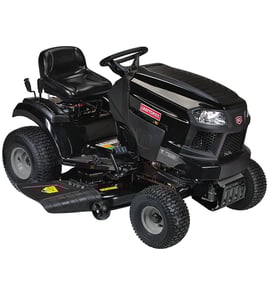
Are Craftsman electric riding mowers any good?
Craftsman electric riding mowers are a good choice when you want quieter operation, low routine maintenance, and easy starting; they work best for small-to-medium lawns and regular weekly mowing. For your Craftsman lawn tractor model 917275680, our 917275680 owner's manual covers a gas 24 HP, 42-inch deck tractor, so electric-mower features do not apply to this specific model.
- Quieter mowing than a comparable gas riding mower
- No gas or oil changes, and fewer tune-up items
- Instant start and simple controls
- Less vibration for many riders
- Best results on maintained turf (not overgrown, wet, or very tall grass)
| Feature | Electric riding mower | Gas riding mower (like 917275680) |
|---|---|---|
| Noise | Lower | Higher |
| Routine maintenance | Lower | Higher (oil, fuel system, tune-ups) |
| Power for heavy/overgrown grass | Moderate | Stronger in tough conditions |
| Refuel/recharge | Recharge time required | Fast refuel |
| Storage | Battery care matters | Fuel stabilizer and winterizing matter |
Because 917275680 is a gas front-engine lawn tractor, “good performance” comes down to deck condition, blades, and belt drive. If cut quality is the concern, these checks make the biggest difference:
- Keep blades sharp and correctly installed
- Level the mower deck and keep tire pressure even
- Clean grass buildup under the deck and around mandrels
- Replace worn deck drive belts if blades slip or discharge is poor
Common wear items that affect cut quality on this model include the lawn tractor 42-in deck high-lift blade 532138971 and the Craftsman lawn tractor blade drive belt, 5/8 x 97-2/5-in 532174883.
Electric riders can be “very good” for convenience and noise reduction, but they are not a direct apples-to-apples comparison with a 24 HP gas tractor like model 917275680, especially when mowing thick grass or larger properties.
Last updated: February 2026
How long does a Craftsman electric mower last?
A Craftsman electric mower typically lasts 8 to 12 years with normal residential use and basic maintenance. For the Craftsman lawn tractor model 917275680, the key “electric” component is the electric start system; the engine itself is gas, and overall life depends most on maintenance and storage (see the 917275680 owner's manual).
This model is a front-engine riding lawn tractor with electric start, not a battery-only walk-behind mower. That means you should think about lifespan in two parts:
- Tractor/engine lifespan: commonly 8 to 12 years (often longer with excellent care)
- Starting battery lifespan: commonly 3 to 5 years
- Wear items: blades, belts, filters, and spark plugs wear out regularly with use
| Item | Typical life | What shortens it fastest |
|---|---|---|
| Riding mower/tractor (overall) | 8 to 12 years | Poor storage, skipped oil changes, overheating from debris |
| Starting battery | 3 to 5 years | Winter storage without charging, corrosion, vibration |
| Deck blades | 1 to 3 seasons | Sand, rocks, frequent mulching, hitting roots |
| Drive/deck belts | 2 to 5 seasons | Misrouted belt, worn pulleys, heavy loads |
- Follow the maintenance schedule and tune-up guidance in the 917275680 owner's manual.
- Keep the engine and deck clear of grass and debris buildup (heat and corrosion are major life reducers).
- Store it dry; use off-season storage steps so fuel and battery issues do not stack up.
- Replace worn cutting and drive components before they start damaging pulleys and spindles.
- Keep blades sharp and balanced; for a 42-inch deck, use the correct blade style for your cut.
If your cut gets ragged or the deck starts vibrating, these are common wear points:
- Lawn tractor 42-in deck high-lift blade 532138971 (better for bagging and lifting)
- Husqvarna lawn tractor mulching blade, 21-in 532134149 (for mulching setups)
- Craftsman lawn tractor blade drive belt, 5/8 x 97-2/5-in 532174883 (slipping belt reduces blade speed)
Most “mower lifespan” complaints come from preventable wear: dull blades overwork the deck, loose belts slip and overheat, and dirty cooling areas shorten engine life. Staying ahead of routine service keeps your Craftsman tractor cutting cleanly and starting reliably.
Last updated: February 2026
Is it worth replacing a lawn mower engine?
Yes, it’s worth replacing the engine on your Craftsman lawn tractor model 917275680 when the tractor’s deck, transmission, and steering are still solid and the total engine swap cost stays well below the cost of replacing the entire mower. Use the 917275680 owner’s manual to confirm safe service steps and maintenance expectations before you commit.
- The mower deck is not rusted through and still cuts evenly after leveling.
- The transmission drives smoothly (no slipping, no constant whining).
- The frame and steering are tight (no cracked chassis, excessive play).
- You can do the work safely (battery disconnected, fuel handled correctly).
- The engine replacement cost is under about 50% of a comparable new tractor.
- You plan to keep the tractor for 3+ more seasons.
Engine replacement is usually the best value when the rest of the tractor is in “good bones” condition and you are already keeping up with routine service (oil changes, air filter service, blade care). The manual’s maintenance schedule highlights items like checking belts, battery condition, and blade service, which are the same areas that determine whether the tractor is worth saving.
| Condition | What you’ll typically see | What it means |
|---|---|---|
| Deck and cut quality are still good | Even cut, no major vibration | Deck and mandrels are likely serviceable |
| Drive system is healthy | Moves strongly forward and reverse | You are not stacking engine cost on top of major drivetrain repairs |
| Electrical is stable | Starts reliably (or only needs battery/connection work) | Lower risk of chasing no-start issues after the swap |
- The deck shell is cracked or badly corroded.
- The tractor will not move and the drive belt or transmission is also suspect.
- Multiple major systems need work at once (engine + transmission + deck rebuild).
- You need a fast, low-effort solution rather than a project.
A new engine can extend the life of a well-maintained 917275680 significantly, but it only pays off when the cutting deck, drive system, and safety devices are already in safe working condition (the manual emphasizes keeping fasteners tight and safety devices operating properly).
Last updated: February 2026
What are common problems with Craftsman riding mowers?
Common problems on Craftsman riding mowers like model 917275680 fall into a few buckets: no-start or hard-start (battery, wiring, safety switches), rough running (fuel, air, spark), poor cutting (deck buildup, dull blades, deck out of level), and loss of drive (worn belts). For model-specific checks and safety steps, use the 917275680 owner's manual.
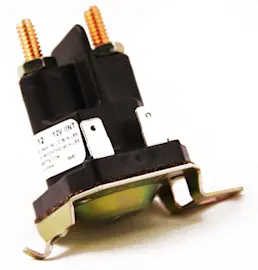
- Engine will not crank: brake pedal not fully depressed, PTO engaged, weak/dead battery, blown fuse, corroded terminals, loose/damaged wiring, faulty ignition switch, faulty solenoid/starter, operator presence switch issue.
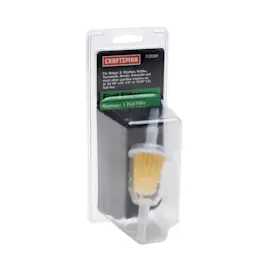
- Cranks but will not start or runs poorly: stale/dirty fuel or water in fuel, dirty air filter, bad spark plug, dirty fuel filter, carburetor out of adjustment, loose spark plug wire.
- Engine stalls or lacks power: mowing too fast or too much grass, grass/debris buildup under the deck, dirty air screen/fins, clogged muffler, low/dirty oil.
- Blades will not rotate or cut is uneven: obstruction in clutch mechanism, worn/damaged deck belt, frozen idler pulley, frozen/bent mandrel, worn/bent blade, deck not level.
- Loss of drive: freewheel control disengaged, motion drive belt worn/damaged/broken, air trapped in transmission after service.
- Set parking brake; confirm PTO is OFF and brake pedal is fully depressed.
- Inspect battery terminals for corrosion; tighten cables.
- Check for loose/damaged wiring at the battery, ignition switch, and safety switches.
- Replace stale fuel; check/replace air filter and fuel filter.
- Clean packed grass from under the mower deck (wait for all moving parts to stop first).
- If cutting quality is poor, inspect blades and deck level; consider replacing worn blades such as the lawn tractor 42-in deck high-lift blade 532138971 or the husqvarna lawn tractor mulching blade, 21-in 532134149 if they match your setup.
| Symptom | Most likely area | First action |
|---|---|---|
| No crank | Safety interlocks, battery | PTO OFF, brake down, clean terminals |
| Cranks, no start | Fuel/air/spark | Fresh fuel, clean/replace air filter, check plug |
| Poor discharge | Deck level, blades, buildup | Clean underside, level deck, inspect blades |
| No blade rotation | Deck belt/mandrels | Check belt condition and idlers |
| No movement | Drive belt/freewheel | Verify freewheel engaged, inspect drive belt |
Most “major” mower failures start as simple maintenance or adjustment issues. Catching belt wear, deck buildup, and fuel problems early helps protect the mandrels, clutch, and engine from expensive damage.
Last updated: February 2026
What engine does Craftsman riding mower use?
The Craftsman lawn tractor model 917275680 uses a low-emission gasoline engine; our 917275680 owner's manual identifies this tractor as a 24 HP, 42-inch mower with electric start and an automatic transmission.
From the model-specific documentation, we can confirm these key powertrain details:
- 24 HP rating (as listed on the manual cover)
- Low-emission engine design (operates differently than older engines)
- Electric start system
- Automatic transmission
- 42-inch mower deck
Many riding mowers use engines from common suppliers (for example Briggs & Stratton or Kohler), but the exact engine family is best confirmed from the engine ID label on your tractor.
- Lift the hood and look for an engine label on the blower housing or valve cover
- Record the engine model, type, and code (or spec number)
- Match that information when ordering tune-up parts (air filter, spark plug, fuel filter)
| What to look for | Where you’ll usually find it | Why it matters |
|---|---|---|
| Engine model/type/code | Engine shroud or valve cover label | Ensures correct maintenance parts |
| Tractor model number 917275680 | Frame tag under seat or on frame rail | Ensures correct chassis and deck parts |
| Deck size (42-inch) | Deck tag or manual | Helps match blades and belts |
The tractor model number (917275680) helps you get the right chassis and deck parts, but the engine label is what ensures you buy the correct engine maintenance items and troubleshoot starting or running issues accurately.
Last updated: February 2026
What model number is a Craftsman 6.75 lawn mower?
“6.75” identifies the engine rating, not a single Craftsman mower model number. The correct model number is the full number printed on your mower’s product ID label (often starts with 917). For comparison, our 917275680 owner's manual is for a Craftsman riding lawn tractor, not a 6.75 walk-behind mower.
Check the mower’s product ID label in these common locations:
- Rear of the mower deck near the discharge opening
- Top of the deck behind the engine
- Under the rear bag door (bagger models)
- On the frame near the rear wheels
- On the handle support brackets
Write the model number exactly as shown (including any dots or dashes).
To match the right blade, drive belt, or ignition parts, record these details:
- Mower model number (commonly begins with 917)
- Product number (if listed)
- Deck size (often 21-inch on many walk-behind mowers)
- Engine model and type code (for engine-specific parts)
| Label item | What it identifies | Used for |
|---|---|---|
| 6.75 (HP) | Engine power class | General reference only |
| 917.xxxxxx (or similar) | Craftsman mower model | Mower parts lookup |
| Engine model/type code | Engine identification | Engine parts lookup |
Craftsman built many different walk-behind mowers with a 6.75-rated engine; the deck, blade adapter, and drive system can vary. Using the exact model number prevents ordering the wrong parts.
Last updated: February 2026
What riding mower has the least problems?
The riding mower with the least problems is the one that matches your yard workload and gets routine service; most “reliability” complaints come from preventable fuel, belt, and deck issues. For your Craftsman lawn tractor model 917275680, use the maintenance schedule and troubleshooting chart in the 917275680 owner's manual to minimize no-starts, poor cut quality, and drive or deck belt wear.
- Buy the right size tractor for your acreage and terrain; overworking a light-duty unit causes repeat failures.
- Choose a model with strong parts support and common wear parts (belts, blades, mandrels).
- Prioritize a sturdy mower deck and spindle (mandrel) design to reduce vibration.
- Match the transmission to hills and towing; steep slopes and heavy towing shorten drivetrain life.
- Plan on seasonal tune-ups (oil, air filter, spark plug) to prevent most “won’t start” problems.
| System | Common issue | What fixes it most often |
|---|---|---|
| Starting/fuel | Stale fuel, dirty plug, loose wiring | Fresh fuel, tune-up, tighten connections |
| Cut quality | Dull/bent blades, deck buildup, deck not level | Replace blades, clean deck, level deck |
| Blade drive | Worn belt, frozen idler, frozen mandrel | Inspect belt, free pulleys, service mandrels |
These items align with the kinds of causes listed in typical tractor troubleshooting charts:
- Keep fuel fresh; drain or stabilize fuel before storage.
- Clean grass and debris from the deck underside and around mandrels.
- Replace blades when worn or bent.
- Inspect belts for glazing, cracking, or stretching.
- Confirm safety interlocks work correctly if starting or PTO engagement becomes inconsistent.
- Lawn tractor 42-in deck high-lift blade 532138971
- Craftsman lawn tractor blade drive belt, 5/8 x 97-2/5-in 532174883
Most riding mowers develop “problems” after heat, debris buildup, and vibration accelerate belt and spindle wear; consistent cleaning and scheduled service prevents the majority of repeat repairs.
Last updated: February 2026
What year did Craftsman make the 917275680?
Craftsman model 917275680 is a 2005 production lawn tractor. We confirm the exact model identification and parts breakdowns in the 917275680 owner's manual, and you can also verify your specific unit by checking the model and serial tag on the tractor frame.
Use these quick checks so the tractor tag, engine tag, and parts diagrams all match:
- Locate the model and serial label (commonly under the seat, on the frame rail, or near the rear fender pan)
- Record the serial number exactly as printed
- Check the engine ID tag (Briggs and Stratton and Kohler engines often include a date code)
- Compare your tractor’s wiring and safety switches to the electrical diagram in the manual
- Match deck and drive configuration before ordering wear items like blades and belts
The manual for 917275680 includes illustrated lists for major systems (electrical, chassis, seat, lift). Those diagrams help you match components that often change between close model numbers.
| System in the manual | What you can match on the tractor | What it confirms |
|---|---|---|
| Electrical | Ignition switch, seat switch, PTO circuit | Wiring generation and switch style |
| Chassis and enclosures | Hood, fender/footrest, frame layout | Frame family and body style |
| Mower drive | Deck and belt routing | Deck configuration and belt path |
The correct year and exact model match prevents wrong-part returns. Small changes in a Craftsman riding mower, especially wiring harnesses, PTO components, and deck drive parts, can affect fit and function.
Last updated: February 2026