Installation guide
 Owner’s manual
 Error Codes



What is the disadvantage of a side-by-side fridge?
A key disadvantage of a side-by-side refrigerator like the KitchenAid KSSC48QVS05 is reduced usable width on each shelf; wide items (pizza boxes, party platters, sheet pans) often will not fit flat. You also tend to get less full-width fresh-food space because the cabinet is split vertically.
Common drawbacks to plan for
- Narrow shelf footprint on both the refrigerator and freezer sides
- Less flexible storage for wide containers (casserole dishes, large deli trays)
- More door bins, fewer wide shelves, which can limit tall or bulky items
- Ice and water features can add complexity (more parts to maintain, more potential leak points)
- Door swing clearance matters in tight kitchens, even though doors are narrower than French-door styles
Side-by-side vs other styles (quick comparison)
| Style | Best at | Typical downside |
|---|---|---|
| Side-by-side | Easy access to freezer items at eye level; narrow door swing | Narrow shelves; wide items are awkward |
| French door | Wide fresh-food shelves; good for platters | Often requires more clearance for wide doors/drawers |
| Top freezer | Simple layout; usually lower cost | Fresh food is lower; less convenient daily access |
Why it matters for KSSC48QVS05 owners
This is a 48-inch built-in design, so the installation is more permanent than a freestanding refrigerator. Before you commit to cabinetry panels and final placement, confirm clearances and how you will load your most common “wide” foods using the installation guide.
Tips to reduce the impact of narrow shelves
- Store wide items vertically when possible (pizza box on edge)
- Use shallow bins to group smaller items front-to-back
- Keep a “wide item zone” on one shelf by minimizing tall containers nearby
- Avoid overpacking; airflow helps temperature stability
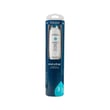
- If water taste or flow becomes an issue, replace the refrigerator filter EDR3RXD1 on schedule
Last updated: February 2026
What is the most reliable side-by-side refrigerator?
If you want the most reliable side-by-side refrigerator, we recommend prioritizing proven temperature stability, a simple ice and water system, and strong parts support. KitchenAid built-in side-by-sides like model KSSC48QVS05 are designed for long service life when installed correctly and maintained on schedule; use the installation guide to confirm proper setup.
What “reliable” means for side-by-side refrigerators
Reliability usually comes down to how consistently the refrigerator holds safe temperatures and how often common systems need service.
- Steady fresh food temperature (about 37°F) and freezer temperature (about 0°F)
- Fewer ice maker and dispenser issues (dispensing models add complexity)
- Strong airflow from evaporator and condenser fans
- Clean condenser area and correct installation clearances
- Easy access to common maintenance items like the water filter
How to choose a reliable model (what to look for)
When comparing brands and models, we focus on these practical checkpoints:
- Cooling system design: quiet, consistent airflow and defrost performance
- Controls: stable electronic control operation and accurate sensing
- Water system: straightforward filter and tubing layout to reduce leaks and restrictions
- Door sealing: strong gaskets and alignment to prevent warm air intrusion
- Serviceability: parts availability for fans, controls, sensors, and filters
Quick comparison: what typically affects reliability
| Feature or design choice | Reliability impact | What we recommend |
|---|---|---|
| In-door ice and water | More moving parts and water connections | Choose only if you will maintain it regularly |
| Built-in vs freestanding | Built-ins are often heavier-duty | Built-in is a strong choice when installed correctly |
| Complex electronics and displays | More components that can fail | Prefer simpler interfaces when possible |
| Neglected condenser cleaning | Causes overheating and poor cooling | Clean on a regular schedule |
Maintenance that keeps a side-by-side running longer
For a KitchenAid built-in like KSSC48QVS05, these habits make the biggest difference:
- Replace the water filter on schedule; use the correct refrigerator filter EDR3RXD1
- Keep the condenser area clean to prevent high compressor temperatures
- Confirm doors close and seal fully; correct any sagging or misalignment
- Avoid overpacking; blocked vents cause warm spots and frost issues
- Set temperatures to standard targets (37°F fresh food, 0°F freezer)
Why it matters
A “reliable” side-by-side is one that avoids temperature swings and unnecessary strain on the sealed system. Proper installation (leveling, clearances, and safe placement away from heat sources) and routine filter and condenser care reduce the most common causes of premature failures.
Last updated: February 2026
What's the average lifespan of a KitchenAid refrigerator?
KitchenAid refrigerators typically last 14 years. For a 48-inch built-in model like KitchenAid KSSC48QVS05, good airflow, clean condenser coils, tight door seals, and prompt repair of cooling or defrost issues help you reach (and often exceed) that average.
Typical lifespan ranges (what to expect)
Most refrigerators fall into a predictable range based on design and maintenance.
- Typical overall range: 10 to 17 years
- Built-in units: often land toward the higher end when kept clean and properly ventilated
- Shortened lifespan drivers: dirty condenser area, restricted airflow, chronic warm temps, repeated icing, or running with failing fans
| Refrigerator type | Typical lifespan | Notes |
|---|---|---|
| Standard freestanding | 10 to 15 years | More sensitive to dust and airflow restrictions |
| Built-in (like KSSC48QVS05) | 12 to 17 years | Often runs longer with consistent maintenance |
| High-use households | 10 to 14 years | More door openings and heavier ice maker use |
Maintenance that extends life
These steps reduce compressor run time and prevent common failures.
- Vacuum and clean the condenser area regularly (dust buildup raises operating temps)
- Keep door gaskets clean and sealing evenly; fix gaps quickly
- Replace the water filter on schedule to protect the dispenser and ice maker flow
- Avoid overpacking; leave space for air circulation inside the compartments
- Confirm the unit is level and doors close on their own (built-ins are sensitive to alignment)
Parts that commonly affect longevity
When cooling performance drops, these parts are frequent contributors on side-by-side built-ins.
- Water quality and flow: Refrigerator filter EDR3RXD1
- Air movement in the cabinet: evaporator fan motor, condenser fan
- Temperature regulation: sensors and electronic controls
- Defrost reliability: defrost thermostat (bi-metal)
Why it matters
A refrigerator that runs warm or struggles to move air forces the compressor to run longer and hotter. That extra load is one of the biggest factors that shortens service life, especially in a built-in installation where ventilation and leveling are critical. Use the installation guide to confirm leveling and panel/trim setup so the unit can be serviced and ventilated correctly.
Last updated: February 2026