Installation guide
 Owner’s manual





What is the most common problem with a KitchenAid dishwasher?
For the KitchenAid KUDS02FRSS0 dishwasher, the most common problems we see are not draining, not cleaning well, leaking at the door, and not heating or drying. These issues usually trace back to a clogged drain path, a failing pump, a worn gasket, or a heating or control problem.
Most common symptoms and what they usually point to
- Standing water in the bottom: drain hose restriction, drain pump issue, or a blockage at the sink/garbage disposer connection
- Dirty dishes or grit left behind: spray arm or filter area blockage, circulation (wash) motor performance issue
- Water leaking from the front: door seal wear, vent gasket leak, or loading issues that deflect spray toward the door
- Poor drying or cool water: heating circuit issue (heater, control, or wiring)
- Grinding or buzzing noise: a hard object in the wash module; if it continues after a full cycle, service is needed (see the KUDS02FRSS0 owner’s manual)
Quick checks we recommend before replacing parts
- Cancel/Drain and listen for a strong drain-out.
- Check the sink/disposer drain connection for a plug or clog.
- Inspect the drain hose for kinks and high-loop/air-gap routing.
- Look for debris around the sump area; remove any foreign objects.
- If you have an error display or blinking pattern, match it using KitchenAid he dishwasher error codes.
Common parts that fix these problems on KUDS02FRSS0
| Problem | Likely part to check | What it does |
|---|---|---|
| Not draining | Dishwasher drain pump WPW10348269 | Pumps water out to the drain |
| Not filling | Inlet valve WPW10158389 | Lets water into the tub |
| Leaking at door | Gasket W11196317 | Seals the door to prevent leaks |
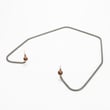
| Not drying/heating | Heater element WPW10082892 | Heats water and supports drying |
Why it matters
Drain, wash, and heat problems can stack up quickly: a partial drain issue can cause poor cleaning, odors, and repeated cycle interruptions. Catching the root cause early also helps prevent leaks that can damage flooring.
Last updated: February 2026
What's the average lifespan of a KitchenAid dishwasher?
A KitchenAid dishwasher typically lasts 10 to 14 years. For your KitchenAid KUDS02FRSS0, consistent cleaning, correct detergent use, and fixing small problems early (draining, heating, or control issues) are the biggest factors in reaching that lifespan.
Typical lifespan and what affects it
Most dishwashers land in the 10 to 14 year range, but real-world life depends on a few repeatable factors:
- Water quality (hard water speeds up mineral buildup on the heater and inside the sump)
- How often you run it (daily use wears pumps, seals, and racks faster)
- Maintenance habits (cleaning and checking for debris prevents pump strain)
- Loading and detergent (overloading and excess detergent can reduce cleaning and increase residue)
- Early repairs (replacing a failing part before it damages others)
For model-specific care and maintenance steps, follow the KUDS02FRSS0 owner's manual.
What the warranty section tells you about long-term durability
Your manual’s warranty coverage highlights which components KitchenAid expected to hold up longer under normal use. That is a helpful clue for “what usually lasts” versus “what commonly needs service.”
| Component area | What it means for lifespan planning | Common symptom when it starts failing |
|---|---|---|
| Stainless steel tub/inner door | Built for long-term corrosion resistance | Water leak from tub/inner door area |
| Wash/drain motor system | High-use wear items over time | Poor wash, unusual noise, not draining |
| Electronic controls | Can fail from age, moisture, or power events | Won’t start, erratic cycles |
| Heating system | Affects drying and water temp | Not drying, cool wash water |
Maintenance checklist to help it reach 10 to 14 years
We recommend these habits for the KUDS02FRSS0:
- Rinse off hard debris (bones, seeds, glass) to protect the wash module
- Clean the interior regularly to reduce odor and buildup
- Check draining performance; slow draining strains the drain pump
- Inspect door sealing surfaces and wipe them clean to prevent leaks
- Use rinse aid to improve drying and reduce spotting
If you’re troubleshooting a drain problem, the dishwasher not draining video pairs well with checking the drain path and pump.
Why it matters
A dishwasher that drains fully, heats correctly, and seals tightly runs shorter, cleans better, and puts less stress on the pump motor, heater element, and electronic control. That directly improves reliability and helps you avoid repeat breakdowns.
Last updated: February 2026
Can I replace dishwasher parts myself?
Yes, for the KitchenAid KUDS02FRSS0 dishwasher, we can replace many common parts ourselves if we shut off power and water first and follow the step-by-step procedures in the KUDS02FRSS0 owner's manual and KUDS02FRSS0 installation guide. For electrical and leak-related repairs, careful testing and correct reassembly matter.
What’s usually DIY-friendly vs. what’s more advanced
Many repairs are straightforward because parts are accessible once the toe panel or inner door is removed.
- DIY-friendly (most homeowners): door spring tension adjustments, replacing a drain hose, replacing a door seal, cleaning/inspecting filters and spray paths
- Intermediate: replacing a drain pump, replacing an inlet valve, replacing a heating element
- Advanced (more risk of miswiring or leaks): control board diagnosis/replacement, circulation pump or sump work
Safety steps we follow before any repair
Dishwashers combine electricity and water, so we treat safety as the first “part” of the job.
- Turn off power at the breaker (do not rely only on the door switch)
- Shut off the water supply under the sink
- Protect the floor; keep towels ready for residual water
- Confirm the unit is stable and secured so it cannot tip when the door opens
- Take photos of wire and hose routing before disconnecting anything
Model-specific tips from the installation guidance
These points from the KUDS02FRSS0 installation instructions help prevent common DIY mistakes.
| Task | What to do | Why it matters |
|---|---|---|
| Drain connection | Use a proper routing method; an air gap is recommended in many setups | Helps prevent backflow and drain problems |
| Door behavior | Adjust door spring tension if the door drops or springs open | Prevents slamming, tipping risk, and hinge stress |
| Securing the unit | Secure the dishwasher to the countertop or cabinet sides | Prevents tipping when the door is opened |
Parts we commonly replace on this model
If your symptom matches, these are frequent DIY replacements for the KUDS02FRSS0.
- Not draining: dishwasher drain pump WPW10348269 or dishwasher drain hose 8269144A
- Not filling: inlet valve WPW10158389
- No heat or poor drying: heater element WPW10082892
- Dead/no power symptoms: fuse W10258275
Why it matters
DIY replacement can save time and restore performance quickly, but correct installation prevents leaks, electrical hazards, and repeat failures. Using the model-specific procedures keeps wiring, hose routing, and door tension set correctly.
Last updated: February 2026
What are the commonly replaced parts in a dishwasher?
In a KitchenAid dishwasher like model KUDS02FRSS0, the most commonly replaced parts are the components that handle water flow, heating, sealing, and door movement. When you see leaking, poor cleaning, no drain, or no heat, these are the first parts we check and replace.
Most common dishwasher parts that get replaced
- Drain and circulation components: clogs, worn impellers, or motor failure can cause standing water or weak wash action.
- Water inlet parts: a restricted valve or supply issue can prevent filling.
- Heating and drying parts: failed heaters lead to poor drying and cooler wash temperatures.
- Door sealing and venting parts: worn gaskets cause leaks and moisture escaping.
- Controls and safety parts: a blown fuse or failed control can cause a dead or unresponsive dishwasher.
Model KUDS02FRSS0 parts we see replaced often
Here are examples from the KUDS02FRSS0 parts list that match the most common failure areas:
| Symptom | Likely part area | Example part for this model |
|---|---|---|
| Won’t drain, water left in tub | Drain system | Dishwasher drain pump WPW10348269 |
| Won’t fill or fills slowly | Water inlet | Inlet valve WPW10158389 |
| Not drying, poor heating | Heating circuit | Heater element WPW10082892 |
| Dead/no power | Electrical protection | Fuse W10258275 |
| Leaks at door | Door sealing | Gasket W11196317 |
Why these parts fail (and what helps prevent it)
These parts wear out because they run every cycle and deal with heat, detergent, and debris. Regular maintenance reduces repeat failures.
- Clean the filter area and check for broken glass or labels
- Rinse heavy food soil off dishes to reduce clogs
- Make sure the drain hose routing is correct and not kinked
- Use the right detergent amount to prevent excess suds
- Keep spray paths clear so the pump is not overworked
Installation and door-related items that also wear
Door hardware and installation setup can also create “symptoms” that look like part failures. For example, incorrect door spring tension can make the door drop or not stay in position, and improper mounting can cause alignment issues. We follow the steps in the KUDS02FRSS0 installation guide when checking door tension, leveling, and securing the dishwasher.
Why it matters
Replacing the right part first saves time and prevents water damage. For KUDS02FRSS0, drain, inlet, heat, and sealing issues are the most common root causes behind “won’t drain,” “won’t fill,” “not drying,” and “leaking” complaints.
Last updated: February 2026