Owner’s manual


How to identify a Kenmore washer model?
Your Kenmore washer model number is printed on the model and serial number plate; on Kenmore model 11020722991, this plate is on the washer cabinet (commonly under the lid on top-load designs). Once you have the full model number, we can match the correct washer parts and diagrams.
Check these common locations first (in order):
- Under the lid, around the tub opening on the top rim
- On the underside of the lid itself
- On the back panel near the power cord
- Along the rear edge of the control console
- Inside the cabinet opening near the top (visible with the lid open)
For the exact plate location and how the manufacturer labels it, use the 11020722991 owner's manual.
For many Kenmore washers, the model number is a long numeric string and often starts with 110. Record it exactly as shown, including all digits.
| What to capture | Example format | Why we need it |
|---|---|---|
| Model number | 110XXXXXXXXX | Ensures parts fit your exact washer |
| Serial number | Letters and numbers | Helps identify production range for some parts |
| Prefix (first 3 digits) | 110 | Points to the manufacturing source used for parts lookup |
Kenmore uses many similar-looking washer designs across years. A single digit difference in the model number can change key components like the lid switch, drain pump, or drive system.
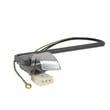
After you find the model number, compare it to the parts list for your washer. For example, if you are troubleshooting a no-spin or no-drain symptom, the washer lid switch WP3949238 is one of the model-matched parts you can verify against your symptoms.
Last updated: February 2026
Is it worth repairing a Kenmore washing machine?
Yes, it’s usually worth repairing a Kenmore washer when the fix restores reliable washing and costs less than replacing the machine. For Kenmore model 11020722991, many common failures involve serviceable parts (lid switch, drain pump, motor coupling) that can extend the washer’s usable life.
Use these checkpoints before spending money:
- If the washer fills, agitates, drains, and spins after a basic fix, repair is the better value.
- If the problem is a single failed part (switch, pump, coupling), repair is typically cost-effective.
- If you see repeated leaks, severe vibration, or multiple symptoms at once, diagnose first.
- If the washer is not level or the front leg nuts are loose, correct installation issues before replacing parts.
- If you want model-specific procedures and safety steps, follow the 11020722991 owner’s manual.
These are frequent, straightforward fixes on this style of Kenmore washer:
| Symptom | Likely area | Example part for this model |
|---|---|---|
| Won’t spin or stops when lid opens | Lid safety circuit | Washer lid switch WP3949238 |
| Won’t drain or leaves water in tub | Drain system | Washer drain pump WP3363394 |
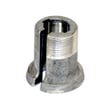
| Agitates poorly or makes clicking in agitator | Agitator drive | Agitator dog 80040 |
| Motor runs but washer won’t agitate/spin | Drive connection | Coupling 285753A |
A washer that is out of level or not secured correctly can vibrate, walk, and wear parts faster. The manual’s installation checklist calls out leveling the washer and tightening the nuts on the front legs to help prevent vibration and performance issues. Review those steps in the 11020722991 owner’s manual before assuming a major component has failed.
Repair makes sense when you can point to one clear failure, replace that part, and restore normal operation. If you are unsure which system is failing, start with a diagnosis (lid switch function, drain pump operation, and drive coupling condition) so you only replace what’s needed.
Last updated: February 2026
What is the average lifespan of a Kenmore washer?
A Kenmore washer typically lasts 10 to 15 years. For the Kenmore 11020722991 compact washer, consistent care (leveling the machine, using correct loads, and preventing leaks) helps you reach the upper end of that range; major drive and drain wear can shorten it. See the 11020722991 owner's manual for model-specific care and operating guidance.
- Overloading or wrapping items around the agitator (increases drive stress)
- Out-of-level installation (can cause vibration and faster wear)
- Water quality and sediment (can shorten inlet valve life)
- Drain restrictions (can overwork the drain pump)
- Normal wear items in the drive system (coupler, clutch, gear case)
If performance changes over time, these parts are frequent culprits on direct-drive Kenmore top-load designs:
| Symptom | Often related part | Example part for model 11020722991 |
|---|---|---|
| Won’t spin or agitates poorly | Drive coupling | Coupling 285753A |
| Won’t drain or drains slowly | Drain pump or drain hose | Washer drain pump WP3363394 |
| Stops when lid opens or won’t run/spin with lid closed | Lid switch | Washer lid switch WP3949238 |
- Keep the washer level and tighten the front leg nuts after setup
- Use the right amount of detergent and avoid chronic oversudsing
- Don’t overload; distribute bulky items evenly to reduce vibration
- Check hoses and connections periodically for small leaks
- Address new noises early (squeal, grinding, or banging) before they damage the gear case or basket drive
Washer lifespan is mostly about reducing vibration, preventing water damage, and limiting drive-system strain. A well-leveled Kenmore 11020722991 that drains and spins normally tends to deliver years of dependable operation, while repeated out-of-balance loads and drainage issues accelerate wear.
Last updated: February 2026