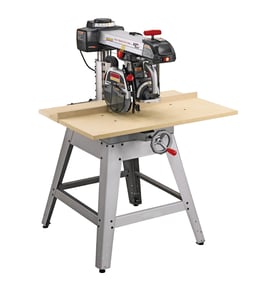


How do I find the model number on my 113247110?
For Craftsman model 113247110, the model number is printed on the saw’s ID label (data plate). On most Craftsman saws in this style, that label is on the frame or base area, and it lists the model and serial number used to match the correct parts.
Where to look on the saw
Check these common label locations first:
- On the rear of the main frame or column
- On the base or stand, near the lower frame
- Near the motor housing area (on the frame, not the moving guard)
- Under a cover plate or access panel near the switch box
- On the underside of a table or work surface (if your saw has one)
What the label should show
Use the exact model number from the label when searching parts. Here is what you typically see:
| Label item | What it’s used for |
|---|---|
| Model number (example: 113247110) | Matches diagrams and part fit |
| Serial number | Identifies production run details |
| Electrical rating (volts/amps) | Helps confirm motor and switch specs |
Why it matters
Power tool parts can vary by production run; using the exact model number prevents ordering the wrong switch, motor component, bearings, blade guides, or hardware.
If the label is missing or unreadable
- Look for a stamped number on the frame or base
- Check any original paperwork, tags, or maintenance notes
- Compare your saw’s major features (switch style, guard style, table/stand style) to diagrams
- Use our model-number help to confirm the correct format: [how to find your appliance model number (and what it means for parts)]
Last updated: March 2026
How do I troubleshoot my 113247110?
To troubleshoot Craftsman model 113247110, start by identifying whether the problem is power (won’t start), performance (bogs down), or cut quality (wanders, burns, vibrates). Most issues trace to the power supply, switch/cord, blade condition, or worn bearings and alignment.
Safety first
- Unplug the saw before removing covers or touching wiring
- Let the blade stop completely before adjustments
- Wear eye protection; avoid loose clothing and gloves near rotating parts
Symptom-based checks
1) Saw won’t start
- Confirm the outlet has power (try another tool)
- Inspect cord and plug for cuts, heat marks, or loose prongs
- Check the switch for a “dead” feel or intermittent operation
- If equipped, check any fuse or reset device in the circuit
2) Motor runs but cuts poorly or bogs down
- Replace or sharpen the blade; verify correct blade type for the material
- Reduce feed rate; let the blade do the work
- Check for binding from misalignment or a pinched kerf
- Listen for bearing noise or rubbing that adds drag
3) Excess vibration or noise
- Verify blade is seated and tightened correctly
- Check for bent blade, damaged teeth, or missing washers
- Inspect bearings for roughness or play
- Confirm the saw is bolted down and the stand is stable
Electrical testing (when needed)
| Test | Tool | What it tells you |
|---|---|---|
| Outlet voltage | Multimeter | Power supply is correct |
| Continuity through cord/switch | Multimeter | Open circuit vs. good path |
For step-by-step meter use, follow: [how to use a multimeter to test electrical parts video]
Why it matters
Troubleshooting by symptom prevents unnecessary part replacement and helps you correct the root cause, especially with electrical issues and alignment-related motor strain.
Last updated: March 2026
What is the average lifespan of 113247110?
A Craftsman saw like model 113247110 typically lasts 15 to 25 years with normal homeowner use. Lifespan depends most on motor load, bearing condition, alignment, and how well the saw is kept clean and dry.
What most affects lifespan
These factors make the biggest difference on a 10-inch class saw:
- Dust buildup around the motor and switch (heat and arcing)
- Worn bearings (noise, vibration, poor cut quality)
- Misalignment of the blade path or fence (forces the motor)
- Dull or incorrect blade for the material (overheats motor)
- Storage conditions (rust on shafts, tables, and fasteners)
Quick maintenance checklist
Use this routine to extend service life:
- Vacuum sawdust from vents and housings after use
- Inspect the power cord and switch for heat damage
- Check for play in wheels/arbors and listen for bearing noise
- Keep moving pivots and slides clean; lubricate lightly as appropriate
- Verify blade condition and tension/alignment before long cuts
Wear items vs. long-life components
| Typically replaced | Often lasts much longer |
|---|---|
| Blade, belts (if equipped), brushes (if equipped) | Motor housing, frame, major castings |
Why it matters
Most “end of life” symptoms are actually wear items or alignment issues; addressing them early prevents motor strain and keeps cuts accurate.
For safety basics before DIY work, use: [are diy appliance repairs safe]
Last updated: March 2026