
What is the life expectancy of a gas leaf blower?
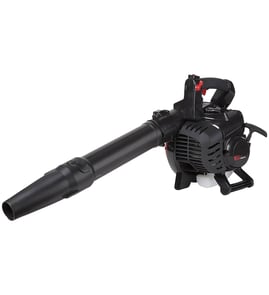
A gas leaf blower like the Craftsman 636796911 typically lasts about 7 to 10 years with normal homeowner use and consistent maintenance. Heavy use, dusty conditions, and running old fuel can shorten life; clean fuel and routine service extend it.
Most 2-stroke gas blowers in the 30 to 40 cc class fall into a similar range.
| Usage pattern | Typical life expectancy | What usually ends life first |
|---|---|---|
| Occasional seasonal use | 8 to 10 years | Fuel system issues, carburetor wear |
| Regular weekly use | 6 to 8 years | Ignition wear, compression loss |
| Heavy or commercial-like use | 3 to 6 years | Engine wear, vibration-related failures |
- Use fresh, properly mixed fuel (and don’t store mixed fuel for long periods).
- Empty the tank and run the engine dry before long storage.
- Clean or replace the air filter regularly.
- Replace the spark plug on schedule and check the spark plug gap.
- Keep the cooling fins and recoil starter area free of debris.
- Inspect fuel lines and the primer bulb for cracking or leaks.
- Hard starting even with fresh fuel and a new spark plug
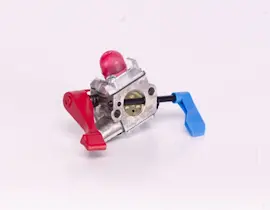
- Surging at idle or dying under throttle (common fuel delivery symptom)
- Noticeably reduced power (often compression-related)
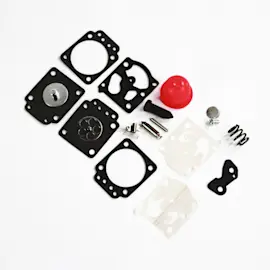
- Fuel leaks, brittle lines, or a primer bulb that will not firm up
A 37.7 cc gas brushwacker style engine depends on clean airflow and clean fuel. Most “it won’t start” or “won’t stay running” complaints come from stale fuel, clogged carburetor passages, or restricted air filtration, not from the blower being truly worn out.
For help locating the correct model identification before ordering maintenance items, use how to find your appliance model number (and what it means for parts).
Last updated: February 2026
What company makes Craftsman leaf blowers?
Craftsman is a brand owned by Stanley Black & Decker; Craftsman leaf blowers (including gas models like the Craftsman 636796911) are made for the Craftsman brand by Stanley Black & Decker and its manufacturing partners.
Because Craftsman is a brand (not a single factory), the exact manufacturer can vary by model and production run. For parts and diagrams, the most reliable match is always your model number and the product’s type (gas leaf blower vs. trimmer vs. brushcutter).
- Match parts by the full model number: 636796911
- Confirm whether you have a gas leaf blower or a similar 2-cycle tool (some share platforms)
- Use the model tag information (model and sometimes a serial/date code)
- Compare the part description to what’s on your unit (carburetor, fuel lines, ignition module, recoil starter)
- If you are unsure, search by model number on Sears PartsDirect
Most gas handheld outdoor power tools use a 2-cycle fuel system and ignition components that look similar across models. Use this checklist to avoid ordering the wrong item.
| What you’re checking | What to look for | Why it helps |
|---|---|---|
| Model number | 636796911 | Locks you to the correct parts list |
| Engine type | 2-cycle gas | Determines fuel and carburetor style |
| Fuel system | Primer bulb, fuel lines, tank grommet | Common wear items that vary by layout |
| Starting system | Recoil starter assembly | Different housings and pawls by model |
Craftsman branding spans many years and suppliers. Using the exact model number (636796911) is what keeps you from getting a carburetor, air filter, or ignition part that fits a different Craftsman platform.
Last updated: February 2026
Are gas leaf blowers being phased out?
Yes. Gas leaf blowers are being phased out in many areas through local noise and emissions rules, and the restrictions vary by city and state. Your Craftsman model 636796911 can still be used where allowed, but it is smart to plan for tighter limits over time.
Most phase-outs focus on new sales, commercial use, or use during certain hours, not an immediate ban everywhere.
- Some places restrict or ban gas-powered blowers due to noise
- Others target 2-stroke engines first (common on handheld blowers)
- Many rules apply to landscaping businesses before homeowners
- Enforcement often starts with warnings, then fines
- Some areas allow gas blowers for limited uses (storm cleanup, large properties)
Use this quick checklist before you buy parts or invest in repairs for model 636796911.
- Look up your city and county leaf blower ordinance
- Confirm whether the rule covers gas, 2-stroke, or all blowers
- Check if it applies to homeowners, commercial crews, or both
- Note any start dates and phase-in dates
- Verify allowed days and hours for operation
| If you plan to… | Repairing your gas blower makes sense when… | Switching to electric makes sense when… |
|---|---|---|
| Keep using it for years | Your area still allows gas blowers and parts cost is reasonable | A local phase-out date is near or already active |
| Use it occasionally | It starts easily and runs cleanly after basic maintenance | You want low maintenance and quick start |
| Do heavier cleanup | You need longer runtime and fast refueling | You prefer lower noise and no fuel mixing |
Local rules can affect whether it is worth replacing wear items (like a carburetor, fuel lines, or ignition parts) versus moving to an electric blower platform. Knowing your timeline helps you avoid spending money right before a restriction takes effect.
If you are not 100% sure you have the right model number before ordering, use our guide: how to find your appliance model number (and what it means for parts).
Last updated: February 2026
Which brand of gas leaf blower is best?
The “best” gas leaf blower brand depends on how you’ll use it (yard size, debris type, and how long you’ll run it). For many homeowners, brands like Craftsman, Husqvarna, Echo, and Stihl are strong choices; for commercial or heavy leaf loads, prioritize higher CFM, comfortable harnessing, and easy service access.
When comparing brands, we focus on performance and usability first, then long-term upkeep.
- Air volume (CFM): Higher CFM moves more leaves and wet debris faster.
- Air speed (MPH): Helps break loose stuck leaves, pine needles, and thatch.
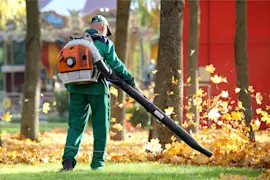
- Type: Handheld for quick cleanup; backpack for long sessions and big yards.
- Weight and ergonomics: A lighter unit or better harness reduces fatigue.
- Starting and fuel system: Reliable carburetion and a good primer/choke design matter.
- Parts and serviceability: Filters, spark plug access, and fuel lines should be easy to maintain.
| If you need... | Best fit type | What to look for in a brand/model |
|---|---|---|
| Fast driveway and patio cleanup | Handheld | Good balance, easy starting, manageable noise |
| Large yard, long run time | Backpack | High CFM, padded straps, stable idle |
| Wet leaves and heavy debris | Backpack or high-output handheld | Higher CFM plus strong MPH |
| Budget-friendly performance | Handheld or entry backpack | Solid airflow, simple maintenance, available parts |
Your Craftsman 636796911 is a 37.7-cc gas brushwacker platform listed under leaf blower parts. In this size class, the “best” choice is the one that starts easily, holds a steady idle, and has strong airflow without excessive weight. If you’re comparing brands, match the blower’s CFM/MPH to your yard and choose the style (handheld vs backpack) that you can comfortably run.
Choosing the right brand and blower type saves time and reduces strain. A blower that is underpowered for your debris leads to longer run times, more fuel use, and more wear on the engine and fuel system.
For help confirming you have the correct model number before ordering maintenance items, use how to find your appliance model number (and what it means for parts).
Last updated: February 2026
Why are gas-powered leaf blowers bad?
Gas-powered leaf blowers are considered “bad” mainly because they produce exhaust emissions, run loud, and can blow dust and allergens into the air. With your Craftsman model 636796911 gas leaf blower, safe operation and routine maintenance reduce these impacts.
- Exhaust emissions: Small gas engines release carbon monoxide and other pollutants during use.
- Noise: Many gas blowers are loud enough to require hearing protection.
- Dust and allergens: Dry leaves and dirt can become airborne and irritate eyes and lungs.
- Debris hazards: Rocks and sticks can become projectiles.
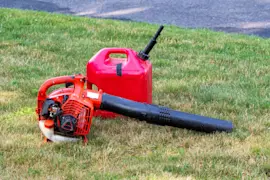
- Fuel handling: Gasoline storage, spills, and hot-engine refueling add risk.
- Wear hearing protection, safety glasses, and a dust mask when conditions are dry.
- Blow when debris is slightly damp (early morning or after light watering) to cut dust.
- Keep the engine running clean: use fresh fuel, clean the air filter, and check the spark plug.
- Point airflow away from people, pets, vehicles, open doors, and windows.
- Let the engine cool before refueling; wipe up spills immediately.
| Feature | Gas-powered blower | Battery-powered blower |
|---|---|---|
| Exhaust at point of use | Yes | No |
| Noise | Typically higher | Typically lower |
| Runtime | Refuel to keep going | Limited by battery capacity |
| Maintenance | Fuel system, plug, filter | Battery care, less engine upkeep |
Reducing noise, exhaust, and airborne dust protects your hearing and breathing, and it also helps your Craftsman 636796911 start easier and run more reliably.
For general safety guidance before maintenance or repairs, review are diy appliance repairs safe.
Last updated: February 2026