Error Codes
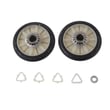


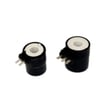
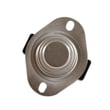
How do I tell what model my Kenmore dryer is?
Your Kenmore dryer’s model number is printed on the appliance’s ID tag; once you find it, match it exactly (letters and numbers) to look up the correct parts and diagrams. For this page, the model number format you’re looking for is 11076712694.
Check these common locations on Kenmore gas dryers like 11076712694:
- Inside the door opening on the front panel (most common)
- On the door frame itself
- On the back panel of the cabinet
- Near the lint screen housing (some designs)
- Behind the lower front access panel (if your dryer has one)
We recommend copying the full model number exactly as shown on the tag.
| What to capture | Example | Why it matters |
|---|---|---|
| Model number | 11076712694 | Ensures parts fit your exact dryer |
| Serial number | (varies) | Helps identify production run for some parts |
| Type | Gas dryer | Confirms you need gas-specific ignition and valve parts |
- Use the full model number, not just the first three digits (for example, “110” alone is not enough)
- Don’t swap similar-looking characters (0 vs O, 1 vs I)
- If the tag is worn, take a clear photo and zoom in
- Confirm the dryer is gas before ordering burner parts like an igniter or gas valve
Kenmore model numbers often share prefixes across many different designs; using the exact model number (like 11076712694) is what ties your dryer to the correct drum, belt routing, thermostats, and gas ignition components.
If you’re already troubleshooting a symptom (no heat, no start, flashing lights), use our Kenmore 110 series electronic control model dryer error codes guide to narrow down the cause before replacing parts.
Last updated: February 2026
How much does it cost to replace a heating element in a Kenmore dryer?
For a Kenmore gas dryer like model 11076712694, you typically do not replace an electric heating element; heat is produced by a gas burner assembly. Most “no heat” repairs on this model range from about $25 to $200 for common parts, plus labor if you hire service.
On Kenmore gas dryers, “won’t heat” is usually caused by ignition or safety components, not an electric element.
Common heat-related parts for model 11076712694 include:
- Dryer valve coil kit 279834 (often fixes heat that starts then stops)
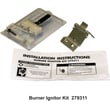
- Igniter 279311 (glows or fails to ignite the gas)
- Dryer radiant sensor WP338906 (detects burner flame/heat)
- Dryer operating thermostat WP3387134 (regulates drum temperature)
- Dryer high-limit thermostat W11050897 (opens if overheating occurs)
Actual totals depend on whether you DIY, vent condition, and how many parts are replaced at once.
| Repair scenario (gas dryer) | Typical parts cost | Typical total with labor |
|---|---|---|
| Replace gas valve coils | $25 to $40 | $150 to $300 |
| Replace igniter | $25 to $60 | $150 to $300 |
| Replace thermostat or high-limit kit | $15 to $50 | $150 to $300 |
| Multiple parts in one visit | $50 to $200 | $200 to $450 |
We recommend these steps first because airflow problems can mimic failed heating parts.
- Clean the lint screen and confirm strong airflow at the outside vent hood
- Check for crushed, kinked, or excessively long vent ducting
- Run a timed dry cycle and listen for burner ignition cycling
- If the dryer heats briefly then goes cold, suspect coils first
- If the igniter never glows, suspect igniter, thermal cut-off/high-limit, or a control issue
Gas dryers rely on correct ignition and safe temperature control. Replacing the right component (often coils, igniter, or thermostats) restores heat faster and helps prevent repeat failures caused by restricted venting.
Related help: gas dryer wont heat troubleshooting video
Last updated: February 2026
What is the average lifespan of 11076712694?
The average lifespan of the Kenmore 11076712694 gas dryer is about 13 years with normal household use and basic maintenance. Keeping airflow strong and wear parts in good shape helps this model reach its full service life.
- Vent restriction (long runs, crushed flex duct, lint buildup) that overheats the dryer
- Overloading that strains the drum support system and drive components
- Heat system cycling issues that cause excessive on and off operation
- Delayed repairs when you hear squealing, thumping, or the drum stops turning
- Routine cleaning of lint screen and lint path
If the dryer runs but makes noise, won’t tumble, or heats inconsistently, these are frequent culprits:
- Drum belt 341241 (broken or stretched belt stops the drum)
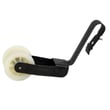
- Dryer idler pulley WP691366 (squeal, belt wear, poor tension)
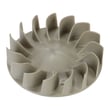
- Dryer blower wheel WP694089 (poor airflow, rumbling, longer dry times)
- Dryer valve coil kit 279834 (gas heat cuts in and out)
- Dryer operating thermostat WP3387134 (temperature control problems)
- Clean the lint screen every load; wash it monthly to remove residue.
- Check outside vent hood for strong airflow while running.
- Keep the vent run short and smooth; avoid screws that catch lint.
- Stop using the dryer if you smell gas; shut off the gas supply and have a qualified technician check it.
| What you notice | What it usually means | What to do next |
|---|---|---|
| Drum won’t turn, motor runs | Belt or idler issue | Inspect belt and idler system |
| Long dry times, hot cabinet | Airflow restriction or blower issue | Clean venting, check blower wheel |
| Heat starts then stops | Gas coils or thermostat cycling | Test coils and temperature controls |
A dryer that runs hot or with restricted airflow wears out parts faster and can damage the burner and motor. Addressing airflow and drive wear early typically prevents bigger repairs and extends the life of your Kenmore gas dryer.
Last updated: March 2026