Owner’s manual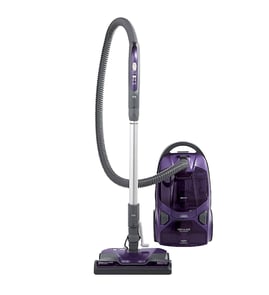
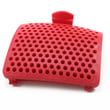

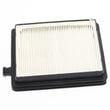
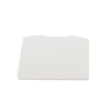
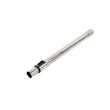
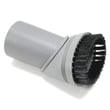
Can SD40010 vacuum filters be washed?
Yes, many filters used in the Dirt Devil SD40010 canister vacuum are washable (typically foam or fabric-style pre-filters), as long as you rinse with cool water and let the filter air-dry completely before reinstalling. If your SD40010 uses a paper or HEPA-style cartridge, treat it as non-washable and replace it instead; confirm your filter type in the SD40010 owner's manual.
How to wash a washable SD40010 filter
- Unplug the vacuum before any maintenance.
- Remove the filter and tap it gently to knock off loose dust.
- Rinse under cool running water (no soap, no detergents).
- Squeeze foam filters gently; do not wring or twist.
- Air-dry until fully dry (plan on about 24 hours in normal indoor conditions).
- Reinstall only when the filter is completely dry.
How to tell if your filter is washable
| Filter type | Common look/feel | Washable? | What to do |
|---|---|---|---|
| Foam pre-filter | Spongy, flexible | Yes | Rinse and air-dry fully |
| Fabric/mesh filter | Cloth-like, reusable | Often yes | Rinse and air-dry fully |
| Paper pleated cartridge | Stiff pleats, paper media | No | Replace when dirty |
| HEPA cartridge | Dense media in a rigid frame | No | Replace per condition |
Why it matters
A damp filter can restrict airflow and reduce suction, and moisture trapped in the filter can lead to odors. Keeping the correct filter clean and dry helps your SD40010 maintain strong pickup and protects the motor from overheating.
If suction is still weak after cleaning
- Check for clogs in the hose, wand, and floor nozzle.
- Empty the dust container and clean any shrouds or screens.
- Inspect seals and gaskets for gaps that can cause air leaks.
- Verify the filter is seated correctly and the cover is fully latched.
Last updated: February 2026
What is the best canister vacuum cleaner on the market?
There is no single “best” canister vacuum for everyone; the right choice depends on your flooring, pets, allergies, and whether you prefer bagged or bagless. If you already own a Dirt Devil SD40010, the best value is often keeping it performing like new using the maintenance steps in the SD40010 owner's manual.
How to choose the best canister vacuum for your home
- Bagged vs. bagless: Bagged models typically control dust better during emptying; bagless can save on consumables but needs more frequent bin and filter cleaning.
- Filtration: For allergies, look for sealed airflow and HEPA-level filtration (or the best filtration available in the model you choose).
- Flooring mix: Homes with lots of carpet benefit from strong agitation (power nozzle or turbo tool); hard floors benefit from a dedicated hard-floor brush.
- Pet hair: Prioritize a mini turbo tool, strong suction at the hose, and easy-to-clean brush rolls.
- Cord and hose reach: Longer reach reduces outlet changes and makes stairs easier.
- Parts availability: Filters, hoses, wands, and floor tools should be easy to replace over time.
Quick comparison: what “best” usually means
| Home need | What to prioritize | Typical best fit |
|---|---|---|
| Allergies, fine dust | Sealed system, high filtration, bagged design | Bagged canister with HEPA filtration |
| Mostly hard floors | Soft bristles, smooth wheels, suction control | Compact canister with hard-floor tool |
| Lots of carpet | Motorized/power nozzle, strong airflow | Canister with powerhead |
| Pets | Turbo tools, easy maintenance | Pet-focused canister setup |
If you already have a Dirt Devil SD40010: best “upgrade” is maintenance
- Empty the Dirt container before it is packed full.
- Clean or replace filters on schedule (dirty filters are a top cause of weak suction).
- Check the hose, wand, and floor nozzle for clogs.
- Inspect the floor tool for hair wrap and blocked air paths.
- Confirm all seals and latches are fully closed to prevent suction leaks.
Why it matters
Canister vacuums are very sensitive to airflow restrictions; a partially clogged hose or loaded filter can make a high-quality vacuum feel weak. Keeping airflow and filtration in spec often restores performance without replacing the vacuum.
Last updated: February 2026
Are canister vacuums outdated?
Canister vacuums are not outdated; they are still a practical choice for many homes because they combine strong suction with a lightweight wand and versatile attachments. For a Dirt Devil SD40010 canister vacuum, the design is especially useful for cleaning floors, stairs, and above-floor areas with better reach than many uprights.
Why canister vacuums still make sense
Canister vacuums remain popular because the motor and dust collection stay in the canister, while you clean with a hose and wand. That layout improves control and reach in tight spaces.
- Easier above-floor cleaning (curtains, vents, baseboards) with a wand and hose
- Better maneuverability around furniture compared with many upright designs
- Often lighter in-hand because you are not pushing the full motor housing
- Typically strong performance on hard floors with the right floor tool
- Helpful for stairs since you can set the canister on a step and use the hose
What to consider before choosing a canister
The “best” vacuum depends on your flooring, storage space, and how you like to clean.
| If you have... | A canister vacuum is usually a good fit because... |
|---|---|
| Hard floors or mixed flooring | You can switch tools quickly and keep good suction control |
| Stairs and upholstery | The hose and attachments make above-floor cleaning simpler |
| Tight storage | The hose, wand, and tools can be stored compactly (varies by model) |
| Mostly wall-to-wall carpet | An upright or a canister with a powered nozzle can be easier for large carpeted areas |
Quick upkeep that keeps performance “modern”
A canister vacuum can feel outdated only when airflow is restricted. These checks keep suction and pickup strong.
- Empty the Dirt container or replace the bag before it is overfull
- Clean or replace filters on schedule
- Check the hose, wand, and floor nozzle for clogs
- Remove hair and string from brush rolls (if your nozzle uses one)
- Inspect cords and connections for wear
For model-specific maintenance intervals and filter locations, follow the SD40010 owner’s manual.
Why it matters
Most “vacuum performance” complaints come down to airflow, filtration, and the right attachment for the surface. A well-maintained canister vacuum stays competitive because it is built around efficient suction delivery through a hose and wand.
Last updated: February 2026
What are the disadvantages of a canister vacuum?
Canister vacuums like the Dirt Devil SD40010 trade easy above-floor cleaning for a few everyday drawbacks: they take more storage space, the canister can bump furniture as you pull it, and they can feel awkward on stairs compared to an upright. For model-specific use and care tips, use the SD40010 owner's manual.
Common disadvantages (what you will notice day to day)
- Bulkier storage: you store a canister body plus hose, wand, and floor nozzle.
- More to maneuver: you pull the canister behind you, which can snag on corners or thresholds.
- Stairs are harder: carrying the canister while managing the hose and wand takes more effort.
- Canister “bump” risk: the body can scuff baseboards or tap furniture legs if it rolls into them.
- More setup time: swapping tools (crevice tool, dusting brush, floor nozzle) adds steps.
- Smaller Dirt capacity on many models: some canisters need more frequent emptying or bag changes.
Quick comparison: canister vs. upright
| Feature | Canister vacuum | Upright vacuum |
|---|---|---|
| Storage footprint | Larger (multiple pieces) | Usually smaller (one main unit) |
| Stairs | Often more awkward | Often easier to carry and use |
| Above-floor cleaning | Usually easier (hose and tools) | Often less convenient |
| Risk of bumping walls | Higher (rolling canister) | Lower (unit stays in hand) |
How to reduce the downsides
- Park the canister behind you (not beside you) to reduce bumping.
- Use shorter hose reach on stairs and move the canister step-by-step.
- Wrap and store the hose and cord the same way every time to prevent kinks.
- Empty the bin or change the bag before it is packed full to keep airflow strong.
- Check for clogs in the hose and wand if suction drops.
Why it matters
Most “canister vacuum problems” people report are really handling and airflow issues: storage, stair use, and reduced suction from a full bin/bag or a clog. Managing those points keeps cleaning performance consistent.
Last updated: February 2026