Owner’s manual
 View engine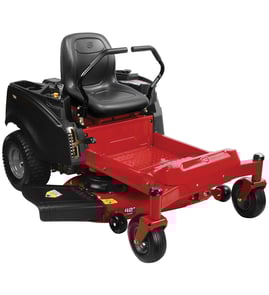



How to identify a lawn mower engine?
To identify the engine on your Craftsman 247204220 rear-engine riding mower, locate the engine’s ID label or stamped numbers on the engine shroud (sheet metal) near the muffler, air cleaner, or blower housing; those numbers tell you the engine model and type.
Where to look on the engine
Check these common locations first (clean the area so the numbers are readable):
- On the sheet metal shroud directly above or near the muffler (muffler can be on the right or left side)
- On the front of the engine on the blower housing, near the air cleaner
- Near the recoil starter housing (if equipped)
- On a sticker or metal tag on the valve cover area
- On the engine block casting (less common, but sometimes present)
What numbers you need (and what they mean)
Most mower engines have an engine ID that includes a model and a code/date. Write down everything exactly as shown.
| What you see on the engine | What it’s used for | Example format |
|---|---|---|
| Engine model/type | Identifies the engine family for parts and specs | Model-Type |
| Spec/trim number | Narrows down carburetor, ignition, and governor parts | Spec #### |
| Code/date | Helps match the correct revision/version | Code YYMMDD |
Quick tips to make the ID readable
- Let the engine cool completely before working around the muffler.
- Wipe dirt and oil off with a rag; use a soft brush for packed debris.
- Use a flashlight and take a close-up photo; zooming in often reveals faint stamping.
- If the label is missing, check for faint stamped characters on the shroud edges.
Why it matters
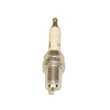
The mower model number (247204220) identifies the tractor, but the engine model number identifies the engine itself. That engine ID is what we use to match the correct tune-up parts (spark plug, air filter, fuel filter), carburetor parts, and ignition components.
For diagrams and model-specific locations to check, use the 247204220 owner’s manual.
Last updated: January 2026
What model number is the CRAFTSMAN 247204220 riding mower?
The model number for this Craftsman riding mower is 247204220. Use model 247204220 when ordering parts, looking up diagrams, or checking maintenance specs in the 247204220 owner's manual.
Where to find the model number on the mower
Most Craftsman riding mowers have the model/serial tag in one of these common spots:
- Under the seat on the seat pan or frame
- On the rear fender area near the seat
- On the frame rail near the engine compartment
- Near the footrest area on the chassis
Why using the exact model number matters
Parts and specs can vary even within similar Craftsman riding mower families. Using 247204220 helps ensure you get the correct belt, blade, switch, or electrical part for your exact configuration.
Examples of parts that commonly depend on the model
- Ground drive belt length and width
- Deck blade style and deck size
- Safety interlock switch style
- Starter solenoid wiring layout
- Transaxle and pulley configurations
Quick reference
| Item | What to use |
|---|---|
| Brand | Craftsman |
| Model number | 247204220 |
| Category | Riding mowers & tractors parts |
Related tip for parts lookup
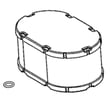
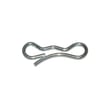
When you search parts by model, match the full model number exactly as printed on the tag. If you are also matching hardware during a repair, common items for this mower include the mtd lawn & garden equipment cotter pin, 1/4- to 5/16-in 714-04040.
Why it matters: The correct model number prevents wrong-part returns and helps you follow the right maintenance intervals and adjustment procedures.
Last updated: January 2026
What is the advantage of a rear engine mower?
A rear-engine riding mower like Craftsman model 247204220 gives you faster, less tiring mowing than a walk-behind because you ride instead of push. It is a great fit for routine grass cutting in tighter yards where easy steering and compact storage matter.
Key advantages of a rear-engine rider
- More comfort and speed: seated operation reduces fatigue and covers more ground per pass.
- Compact footprint: typically easier to store and maneuver than larger lawn tractors.
- Good visibility for trimming: the front of the mower is easy to place around trees and beds.
- Simple, grass-first design: built mainly for mowing, not heavy towing or ground-engaging work.
- Lower learning curve: straightforward controls compared with larger tractors and many zero-turns.
What to expect (typical ranges)
Rear-engine riders are commonly chosen for small-to-medium lawns and weekly mowing. Many models in this class use mid-size decks and prioritize turning in tighter spaces over pulling attachments.
| Feature | Rear-engine riding mower | Larger lawn tractor |
|---|---|---|
| Best for | Regular mowing, tighter yards | Mowing plus towing/attachments |
| Maneuverability | High | Medium |
| Storage space needed | Lower | Higher |
Why it matters
Choosing the right mower style helps you finish faster with fewer missed spots and less strain. If your main goal is cutting grass efficiently (not hauling, plowing, or heavy towing), a rear-engine rider is often the most practical option.
Model-specific tips for Craftsman 247204220
- Follow the maintenance intervals and safety interlock checks in the 247204220 owner's manual.
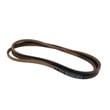
- Keep the drive system in good shape; a worn belt can reduce ground speed and hill performance (the lawn tractor ground drive belt 954-04317A is a common wear item on many riders).
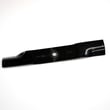
- Replace dull blades to improve cut quality and reduce engine load.
Last updated: January 2026
Is it worth replacing a lawn mower engine?
Replacing the engine on your Craftsman 247204220 rear-engine riding mower is worth it when the mower’s deck, frame, steering, and transmission are still solid and the total engine swap cost stays well below the cost of a comparable new mower. If multiple major systems are worn out, replacement usually makes more sense.
Quick decision checklist
- The deck shell is not rusted through and the spindles are not loose or noisy
- The transaxle drives smoothly forward and reverse without slipping
- The frame is straight and the steering has no excessive play
- You can source the correct engine and any required pulleys, wiring, and throttle/choke linkages
- You are comfortable doing a half-day to full-day mechanical project (or paying labor)
Cost rule of thumb
A practical guideline is to replace the engine when the all-in repair total (engine, belts, hardware, fluids, and labor) is under about half the price of a comparable new riding mower.
| Option | Best when | Typical outcome |
|---|---|---|
| Replace engine | Chassis and drivetrain are strong | Restores reliability and power |
| Repair existing engine | Issue is minor (carb, ignition, starter circuit) | Lowest cost if diagnosis is correct |
| Replace mower | Deck/frame/transaxle also worn | Fewer surprises, new warranty |
Before you buy an engine, check these common “not an engine” causes
Many no-start or weak-running complaints come from fuel, safety switches, or drive components.
- Verify the seat/brake/PTO safety interlock operation; a failed switch can prevent cranking
- Confirm battery condition and cable connections; slow crank can mimic engine failure
- Inspect the ground drive belt for glazing, cracking, or stretching (loss of drive is often belt-related)
- Look for damaged wiring at the harness and around hot or moving parts
Helpful references for model-specific routing and adjustments: 247204220 owner's manual.
Parts that often get replaced during an engine swap
These are common “while you’re in there” items that reduce repeat tear-downs:
- Ground drive belt (if worn): lawn tractor ground drive belt 954-04317A
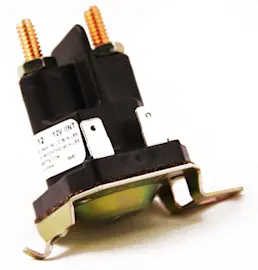
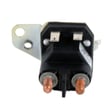
- Starter solenoid (if intermittent no-crank): lawn tractor starter solenoid 725-06153
- Interlock switch (if safety circuit is unreliable): lawn tractor interlock switch 725-04363
Why it matters
An engine swap can be a smart investment because it preserves a mower you already know fits your yard and attachments. The key is avoiding a situation where you install a new engine but still have a weak deck, slipping drive, or electrical problems that keep the mower unreliable.
Last updated: January 2026