Error Codes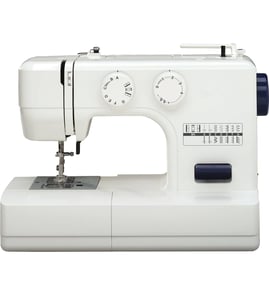

How do I find out how much my sewing machine is worth?
A Singer model 774 sewing machine’s value comes down to what it is (exact model and serial), how well it sews, and how complete it is (case, foot pedal, accessories). Most used mechanical machines sell for modest amounts; clean, fully working machines with accessories sell for more.
Step 1: Identify exactly what you have
Before you price it, confirm the details that buyers and appraisers use.
- Find the model number (you have 774) and the serial number on the machine body
- Note whether it is an Apollo hook style and whether it is mechanical (not computerized)
- List included items: foot pedal, power cord, bobbins, presser feet, attachments, case/cover
- Write down any issues: skipped stitches, noisy hook area, jammed handwheel, cracked wiring
If you are unsure where the tag is located, use how to find your appliance model number (and what it means for parts).
Step 2: Check condition the same way buyers do
Condition usually matters more than age.
| Condition level | What it means | Typical impact on value |
|---|---|---|
| As-is / not sewing | Won’t form stitches, jams, or has electrical issues | Lowest; often “for parts/repair” |
| Working | Sews basic seams, normal noise, no major damage | Mid-range |
| Serviced and complete | Recently cleaned/oiled, smooth stitch, includes accessories/case | Highest for this model type |
Step 3: Use real-world sale prices (not asking prices)
To estimate market value, compare against completed sales for similar Singer mechanical machines.
- Filter to “sold” or “completed” listings
- Match the same style (mechanical, similar features, similar accessories)
- Compare shipping vs. local pickup (shipping cost can reduce what buyers pay)
- Adjust for missing items (foot pedal and accessories matter)
- Adjust for repairs needed (timing, hook/bobbin issues, wiring)
Why it matters
Pricing based on completed sales and condition helps you avoid overpricing (no buyers) or underpricing (leaving money on the table). It also helps you decide whether a tune-up is worth it before selling.
Last updated: February 2026
What is the top 10 sewing machine brand?
There is no single official “top 10” list, but the brands most consistently rated highly for quality, reliability, and stitch performance include Singer (like your Singer 774), Brother, Janome, Juki, Bernina, Bernette, Pfaff, Husqvarna Viking, Baby Lock, and Elna.
A practical “top 10” list (and what each is known for)
These brands show up most often across reviews and repair shops because they have strong parts support, consistent stitch quality, and good long-term durability.
- Singer: strong entry-level and classic mechanical options
- Brother: excellent value; popular for computerized and embroidery models
- Janome: dependable build quality; smooth feeding for quilting
- Juki: very strong stitch formation; great for garment sewing and semi-industrial feel
- Bernina: premium build; precise stitching and long service life
- Bernette: value-focused machines backed by the Bernina ecosystem
- Pfaff: known for integrated dual feed on many models
- Husqvarna Viking: feature-rich machines; strong for decorative stitches
- Baby Lock: especially well-regarded for sergers and coverstitch machines
- Elna: solid midrange machines; often overlaps with Janome manufacturing
How to pick the “best” brand for your needs
Brand matters, but matching the machine to your projects matters more.
- Heavy fabrics (denim, canvas): prioritize strong motor, metal internal frame, and good presser foot pressure
- Quilting: look for smooth feed, consistent stitch length, and a larger throat space
- Garments: prioritize stitch quality, easy tension adjustment, and good buttonhole performance
- Beginners: prioritize easy threading, stable speed control, and simple stitch selection
- Repairs and hemming: prioritize a reliable straight stitch and easy bobbin access
Quick comparison: what “top” usually means
| What you care about | What to look for | Why it helps |
|---|---|---|
| Reliability | Mechanical simplicity, proven platform | Fewer issues over time |
| Stitch quality | Stable tension, good feed dogs | Cleaner seams and fewer skipped stitches |
| Ease of use | Clear threading path, easy bobbin loading | Faster setup, fewer mistakes |
| Serviceability | Common parts, accessible design | Easier repairs and maintenance |
Why it matters
If you are shopping parts or troubleshooting a Singer 774 apollo hook sewing machine, brand reputation is less important than getting the correct model identification and matching the right components to your exact machine configuration.
For help confirming the exact model number before ordering, use our guide: how to find your appliance model number (and what it means for parts).
Last updated: February 2026
Which Singer sewing machine model is most valuable?
The most valuable Singer models are rare, limited-production collector machines (most often certain Featherweight variants), not everyday mechanical models like the Singer 774. If you are valuing a Singer 774 specifically, focus on condition, completeness, and whether it sews correctly; those factors drive its resale value more than “model fame.”
Where the Singer 774 fits compared to top collector models
Singer 774 machines are typically bought as practical, usable sewing machines. The highest collector premiums usually go to specific vintage models and rare variants.
- Highest collector demand: Featherweight family (221, 222K) and rare editions
- Strong vintage interest: some all-metal classics (for example, the 201)
- Practical value tier: many later mechanical models, including the Singer 774, when complete and running well
What makes a Singer 774 worth more
For a Singer 774, buyers pay for “ready to sew” condition and included accessories.
- Smooth, quiet operation with consistent stitch formation
- No hook jams; bobbin area is clean and undamaged
- Working foot pedal and power cord (no cuts, brittle insulation, or overheating)
- Original accessories included (feet, bobbins, needles, case)
- Clean exterior with minimal corrosion and no cracked plastic parts
Quick comparison table
| Factor | Raises value most | Lowers value most |
|---|---|---|
| Sewing performance | Even stitches, stable tension | Skips stitches, birdnesting, timing issues |
| Completeness | Case and attachments included | Missing pedal, bobbin parts, or key feet |
| Electrical | Cord and pedal run cool | Intermittent power, sparking, hot smell |
| Maintenance | Cleaned and oiled | Frozen mechanisms, heavy lint buildup |
Why it matters
Collector models can sell on rarity alone; a Singer 774 sells on usability. A machine that stitches correctly and includes the right accessories costs less to restore, so it commands more interest and a higher price.
Helpful next step
To compare values accurately, match the exact model and variant on the ID plate and paperwork; our guide helps you locate and interpret it: how to find your appliance model number (and what it means for parts).
Last updated: February 2026