Installation guide
 Owner’s manual
 Error Codes



Is side by side better than a French door?
A side-by-side like the KitchenAid KSSC42QVS06 is better when you want easy access to frozen foods, narrower door swing, and lots of door bins; a French door is better when you want wider fresh-food shelves and more flexible refrigerator storage. The “better” choice depends on how your household uses refrigerator vs. freezer space.
Quick comparison
| Feature | Side-by-side (like KSSC42QVS06) | French door |
|---|---|---|
| Fresh-food shelf width | Narrower | Wider (better for platters/pizza boxes) |
| Freezer access | Eye-level, organized | Often lower drawer, can be deeper |
| Door swing in tight kitchens | Typically easier | Often needs more clearance |
| Door storage | Usually strong | Good, varies by design |
| Common tradeoff | Less wide shelf space | Less eye-level freezer space |
When a side-by-side is the better fit
- You use the freezer daily and want items at eye level.
- Your kitchen has tight clearances; built-in installs often need careful door-swing planning.
- You prefer more vertical organization (bins, shelves) in both compartments.
- You store lots of tall items (frozen boxes, bottles) rather than wide trays.
- You want a built-in look and consistent access without a large bottom freezer drawer.
For built-in installations, door swing and cabinetry clearance matter; the installation instructions call out designing adjacent cabinetry for sufficient door-swing clearance and note minimum spacing guidance near corner walls. See the installation guide.
Why it matters
Choosing the right layout reduces daily frustration (door clearance, food visibility, and how often you bend for freezer items). For a 42-inch built-in refrigerator like the KSSC42QVS06, planning around door swing and surrounding cabinetry is just as important as storage style.
Last updated: February 2026
What are the most reliable side-by-side refrigerators?
KitchenAid side-by-side refrigerators like model KSSC42QVS06 are typically considered a reliable choice because they use proven built-in refrigeration designs and serviceable components. For overall reliability across brands, we see strong long-term performance most often from GE, KitchenAid, and Whirlpool side-by-sides when they are installed correctly and maintained.
What “reliable” means for a side-by-side
Reliability usually comes down to consistent temperatures, fewer cooling-system failures, and fewer repeat repairs on common wear items.
Key reliability factors to compare:
- Stable fresh food and freezer temperatures
- Ice maker and water system dependability (valves, filters, fittings)
- Fan and airflow performance (evaporator and condenser fans)
- Control board durability and correct diagnostics
- Door seal quality and alignment (gaskets, hinges, door swing clearance)
Brands that tend to rank well (practical guidance)
We generally see these patterns with side-by-side refrigerators:
| Brand | Typical reliability strengths | Common trouble spots to watch |
|---|---|---|
| GE | Solid temperature control, broad service history | Ice maker and dispenser wear over time |
| KitchenAid | Built-in platforms, strong cooling performance | Water system leaks, fan noise, control issues as units age |
| Whirlpool | Simple designs in many models, good parts availability | Ice maker and water valve issues |
| Samsung / LG | Feature-rich designs | Mixed long-term results, especially ice maker related |
How to improve reliability on your KitchenAid KSSC42QVS06
Even the best refrigerator becomes “unreliable” when airflow, water supply, or installation clearances are off. Use the clearances and panel guidance in the installation guide to prevent door alignment problems and heat buildup.
Maintenance steps that prevent repeat failures:
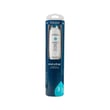
- Replace the water filter on schedule; a restricted filter can reduce flow and stress the water system (see refrigerator filter EDR3RXD1).
- Watch for slow dispensing or no ice; the refrigerator water inlet valve WPW10159842 is a common cause when water supply is good.
- Keep condenser airflow clear; a failing condenser fan can cause warm temps and compressor strain.
- Address unusual fan noise early; worn fan parts can lead to poor cooling.
- Confirm doors seal tightly; air leaks force longer run times and temperature swings.
Why it matters
A side-by-side runs a lot of airflow and often includes an ice and water system. Small issues like restricted water flow, poor cabinet clearance, or weak airflow can look like “bad reliability” but are often preventable with correct installation and routine maintenance.
Last updated: February 2026
What is a standard size side-by-side refrigerator?
Most standard side-by-side refrigerators are about 30 to 36 inches wide, 67 to 70 inches tall, and 29 to 35 inches deep. Your KitchenAid KSSC42QVS06 is a 42-inch built-in model, so it is wider than many “standard” freestanding units; use the installation guide for exact built-in opening and clearance requirements.
Typical side-by-side size ranges (quick reference)
- Width: 30 to 36 inches (many freestanding models)
- Height: 67 to 70 inches
- Depth: 29 to 35 inches (varies with handles and door style)
- Built-in widths: commonly 36, 42, or 48 inches (like KSSC42 series)
Built-in vs. freestanding: what changes
Built-in refrigerators like the KitchenAid KSSC42QVS06 are designed around a cabinet opening and trim, so “standard size” comparisons can be misleading.
| Feature | Freestanding side-by-side | Built-in side-by-side (KSSC42QVS06 type) |
|---|---|---|
| Width | Often 30 to 36 inches | Often 36, 42, or 48 inches |
| Depth look | Cabinet-depth varies | Designed to integrate with cabinetry and trim |
| Install needs | Basic clearance | Cabinet opening, panel/trim, swing clearance |
Installation clearances that matter for this model
The installation instructions for this built-in style call out clearance planning that affects the “real-world” space needed.
- Plan for door swing clearance; thicker custom panels and handles can require more space.
- Allow at least 4 1/2 inches between the side of the refrigerator and a corner wall (more if using thicker custom panels/handles).
- If your opening depth is 25 inches or more, a rear support board may be recommended for certain panel installations.
Why it matters
Correct sizing prevents door swing interference, rubbing against walls or cabinets, and airflow or fit issues that can make a built-in refrigerator harder to install and service.
Last updated: February 2026
Why is my KitchenAid side-by-side refrigerator leaking water?
Water leaking from a KitchenAid KSSC42QVS06 side-by-side refrigerator is usually caused by a defrost drain problem (clogged or frozen), a loose or leaking water supply connection, or a water filter or valve issue. Start by checking the drain area and then inspect the water line connections for seepage.
Quick checks that fix most leaks
- Look for ice or debris blocking the defrost drain (water pools under crisper drawers, then spills out).
- Check the water filter is fully seated and the cap is installed correctly.
- Inspect the water inlet valve area and tubing for drips.
- Verify the refrigerator is level; a tilt can make water run forward and out.
- Check door gaskets for gaps that cause excess frost and drain overflow.
Where the leak is coming from (symptoms guide)
| What you see | Most likely cause | What to do first |
|---|---|---|
| Water inside fresh food section, near bottom | Clogged or frozen defrost drain | Clear ice and flush the drain with warm water |
| Water under the front of the unit | Water line connection seepage | Tighten fittings and recheck for leaks |
| Drip near filter housing | Filter not seated, damaged cap | Reseat filter, inspect/replace cap |
| Leak only when dispensing water/ice | Valve or tubing leak | Inspect valve and tubing, replace leaking part |
Model-specific spots to inspect on KSSC42QVS06
The installation instructions for this built-in model call out checking water line connections for leaks after turning the supply valve on and powering the unit up. Use that same approach for troubleshooting: dry everything, run water/ice, then watch for the first drop to pinpoint the source. See the installation guide.
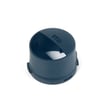
If the leak traces to the filter area, inspect the refrigerator filter EDR3RXD1 and the refrigerator water filter cap (black) WP2260518B for cracks, missing O-rings, or a cap that is not fully tightened.
Why it matters
A small leak can turn into floor damage, cabinet swelling (common with built-in refrigerators), and ice buildup that restricts airflow and cooling performance.
Last updated: February 2026