Error Codes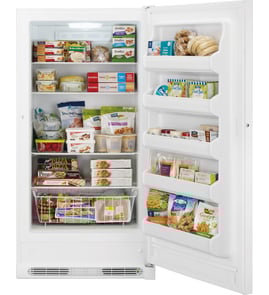




Does Whirlpool make an upright freezer?
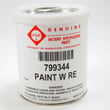
Yes. Whirlpool makes upright freezers, and the Whirlpool EV171NYMS03 is an upright freezer model with replacement parts available for service and repair, such as a compressor, defrost heater, and door gasket. For cosmetic touch-ups, we also list matching appliance paint options.
How to confirm you have a Whirlpool upright freezer
Check the model tag on the cabinet (commonly inside the door opening). The model number must match exactly to ensure parts fit.
- Match the full model number: EV171NYMS03
- Confirm the brand on the tag: Whirlpool
- Use the model number when ordering parts to avoid returns
- If the tag is hard to read, clean it gently and take a photo
For step-by-step help locating the tag, use how to find your appliance model number (and what it means for parts).
Common upright freezer parts Whirlpool uses (examples for EV171NYMS03)
Upright freezers use a sealed refrigeration system plus electrical and door-seal components. On EV171NYMS03, some commonly replaced items include:
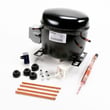
- Upright freezer compressor W10309994 (cooling system)
- Heater W11175809 (defrost system)
- Refrigerator door gasket WP4357142 (door seal to prevent warm air leaks)
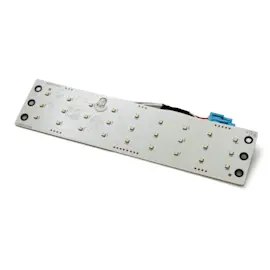
- Light bulb W11679940 (interior lighting)
Quick comparison: what each part affects
| Symptom | Likely system | Example part listed for EV171NYMS03 |
|---|---|---|
| Warm temperatures, no cooling | Sealed system | Compressor |
| Heavy frost on back wall | Defrost system | Defrost heater |
| Frost around door, sweating, poor seal | Door system | Door gasket |
| Light out but freezer cools | Lighting | Light bulb |
Why it matters
Knowing Whirlpool makes upright freezers is helpful, but matching the exact model number is what makes repairs go smoothly. Upright freezer parts like a door gasket or defrost heater are model-specific; the correct match helps restore proper temperatures, efficiency, and food protection.
Last updated: February 2026
How do you fix a Whirlpool freezer that won't freeze?
If your Whirlpool EV171NYMS03 upright freezer runs but will not freeze, the fix is usually restoring airflow and heat transfer: clean the condenser area, confirm the evaporator fan is moving air, and check for heavy frost that points to a defrost failure. If the sealed system is weak, cooling will not recover.
Quick checks we recommend first
- Make sure the temperature control is set colder and the door closes tightly.
- Clear blocked vents; avoid packing food against the back wall.
- Clean dust from the condenser area (unplug first).
- Listen for the evaporator fan; no airflow inside often means a fan or frost blockage.
- Look for a solid frost sheet on the rear interior panel (common defrost problem sign).
- Verify the freezer is level so the door seals evenly.
What the symptoms usually mean
| What you notice | Most likely cause | What to do next |
|---|---|---|
| Runs constantly, warm inside | Dirty condenser, poor airflow | Clean condenser, improve clearance |
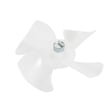
| Loud fan noise, weak airflow | Fan blade damaged or iced up | Inspect/replace fan blade WPW10445742 |
| Heavy frost on back wall | Defrost system issue | Test/replace heater W11175809 |
| Door won’t seal, frost at edges | Leaking gasket | Replace refrigerator door gasket WP4357142 |
| Hums then clicks off | Compressor start issue or compressor problem | Check start components; consider compressor diagnosis |
Parts that commonly solve “won’t freeze” problems
These are model-matched parts we often see involved in no-freeze complaints on EV171NYMS03:
- Heater W11175809 (defrost heater)
- Fan blade WPW10445742 (evaporator fan blade)
- Refrigerator door gasket WP4357142 (door seal)
- Upright freezer compressor W10309994 (sealed system component)
- Drier tube W10843121 (sealed system service part)
Why it matters
A freezer that is not freezing is almost always losing cooling capacity due to restricted airflow (frost or blockage), poor heat rejection (dirty condenser), or a cooling system problem (compressor or refrigerant circuit). Fixing the root cause prevents food loss and reduces compressor run time.
Last updated: February 2026
How good is a Whirlpool upright freezer?
Whirlpool upright freezers are a strong choice for reliable, everyday freezing with practical storage and straightforward controls. For the Whirlpool EV171NYMS03 specifically, long-term performance depends most on airflow, door sealing, and the defrost system; the parts on this model (like the compressor, door gasket, and defrost heater) support those core functions.
What “good” looks like in real use
A good upright freezer keeps a steady temperature, runs without excessive noise, and avoids heavy frost buildup. These are the most meaningful indicators:
- Holds 0°F consistently (or your preferred setting)
- Door closes and seals tightly with no warm air leaks
- Even freezing from top to bottom (no soft spots)
- Minimal frost on the back wall and shelves
- Normal cycling (it turns on and off, not nonstop)
Key parts that drive performance on EV171NYMS03
If your freezer is not cooling well, is noisy, or is frosting up, these model-available parts are the most performance-related:
- Sealing and efficiency: Refrigerator door gasket WP4357142
- Cooling system: Upright freezer compressor W10309994
- Defrost performance: Heater W11175809
- Air movement support: Fan blade WPW10445742
Quick symptom-to-part map
| What you notice | What it usually points to | Example part on this model |
|---|---|---|
| Warm temps, runs a lot | Sealing or cooling system issue | Door gasket, compressor |
| Heavy frost, poor airflow | Defrost system problem | Defrost heater |
| Rattling or vibration | Fan blade or mounting/leveling | Fan blade, leveler |
| Interior light out | Lighting only (not cooling) | Light bulb |
Why it matters
A “good” upright freezer is mostly about temperature stability and efficiency. A small air leak at the door gasket or a defrost problem can make any freezer seem weak because it forces longer run times, adds frost, and reduces usable storage.
Practical tips to keep it performing well
- Keep vents and shelves clear so air can circulate
- Avoid overpacking against the back wall
- Clean and inspect the door seal regularly
- Level the cabinet so the door closes easily
- If frost builds quickly, address defrost issues early
Last updated: February 2026
What is the average life expectancy of an upright freezer?
Most upright freezers, including the Whirlpool EV171NYMS03, last about 15 to 20 years with normal home use and basic maintenance. Keeping the door sealing tightly, the condenser area clean, and frost under control helps you reach the upper end of that range.
Typical lifespan and what affects it
A freezer’s life depends more on operating conditions than brand name alone.
- Room temperature and ventilation (hot garages and tight alcoves shorten life)
- Door gasket condition (air leaks force longer run times)
- Defrost system health (heavy frost reduces cooling efficiency)
- Compressor workload (overfilling and frequent door openings increase run time)
- Cleaning and upkeep (dust and pet hair raise operating temperatures)
Quick maintenance checklist (high impact)
Use these habits to extend the service life of an upright freezer:
- Keep the freezer level so the door closes consistently.
- Confirm the door closes on its own from a slight open position.
- Keep food packages from blocking interior vents.
- Defrost and clean if frost buildup becomes heavy.
- Vacuum dust from the lower rear area (or grille area, depending on your setup).
Parts that commonly influence longevity
If performance drops, these model-matched parts are often involved:
| Symptom | Common cause | Example part for EV171NYMS03 |
|---|---|---|
| Warm temps, constant running | Door air leak | Refrigerator door gasket WP4357142 |
| No cooling or loud clicking | Sealed system or compressor issue | Upright freezer compressor W10309994 |
| Heavy frost, poor airflow | Defrost system problem | Heater W11175809 |
Why it matters
A freezer that runs longer than it should uses more electricity and wears out key components faster. Fixing airflow restrictions, frost issues, or a weak door seal early helps protect the sealed system and compressor.
Last updated: February 2026