Owner’s manual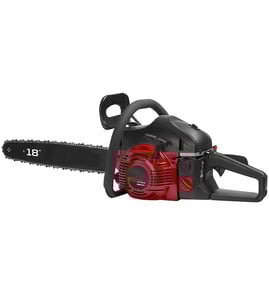








What is the fuel mix for a 2 stroke chainsaw?
For the Craftsman 944414370 gas chainsaw, mix unleaded gasoline with a good-quality synthetic 2-cycle air-cooled engine oil at 40:1. That equals 3.2 fl oz of 2-cycle oil per 1 gallon of gas; shake the approved fuel container to fully blend before filling the tank (and refuel outdoors).
Correct mix ratio and quick math
Use this table to measure oil accurately for common fuel amounts.
| Gasoline amount | 40:1 oil needed | Notes |
|---|---|---|
| 1 gallon | 3.2 fl oz | Standard mix for this model |
| 1/2 gallon | 1.6 fl oz | Mix in an approved container |
| 1 quart | 0.8 fl oz | Measure carefully |
How we recommend mixing fuel
Follow these steps to protect the carburetor and fuel lines and to help the engine start and run smoothly.
- Use fresh, unleaded gasoline and synthetic 2-cycle air-cooled engine oil.
- Pour some gas into an approved, marked fuel container first.
- Add the measured oil (40:1 ratio), then add the remaining gas.
- Cap and shake briefly to fully mix.
- Wipe up spills; move at least 10 feet away from the fueling spot before starting.
- Drain fuel for storage longer than 30 days (run the engine until the fuel lines and carburetor are empty).
What not to use
Using the wrong oil can damage a 2-stroke engine.
- Do not use automotive oil.
- Do not use marine 2-cycle oil.
- Avoid old fuel; alcohol-blended fuel can cause storage-related fuel system issues.
Why it matters
A correct 40:1 fuel mix keeps the piston, cylinder, and crank bearings properly lubricated. Too little oil can score the cylinder; too much oil can foul the spark plug and make the chainsaw run rough.
For model-specific fueling and safety steps (including handling fuel and refueling precautions), follow the owner's manual.
Last updated: February 2026
How do I find out what Craftsman chainsaw I have?
Your Craftsman chainsaw’s model number is printed on a factory label on the saw. For this page, the model is Craftsman 944414370 (often shown in manuals as C944.414370). Once you find that label, you can match the number to the correct parts list and owner's manual.
Where to look for the model number label
On Craftsman gas chainsaws like the 944414370, the model label is usually on the main body of the saw, not on the bar or chain.
Check these common spots:
- On the starter housing (recoil starter side)
- Near the rear handle or trigger area
- On the crankcase area behind the clutch cover
- On the underside of the saw body near the oil and fuel tank area
- Near the muffler side (on the chassis, not the muffler)
What the number should look like
You may see the model written in a couple of formats. These are the same model family:
| Where you see it | Example | What it means |
|---|---|---|
| Parts list / model page | 944414370 | Model number used to look up parts |
| Manual cover | C944.414370 | Manual’s formatted model identifier |
If the label is missing or unreadable
Use a few identifying details to narrow it down, then confirm with the manual:
- Engine size: this model is a 40cc (2.4 cu. in.) 2-cycle saw
- Bar length: commonly 16-inch bar on this model
- Fuel type: 2-cycle fuel mix (40:1)
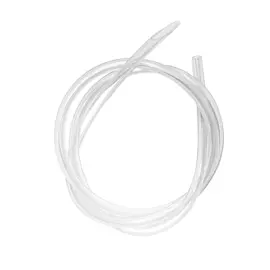
If you are troubleshooting fuel delivery issues while identifying the saw, the most commonly replaced items include fuel lines and the air filter, such as the poulan lawn & garden equipment fuel line, small 530069247 and the Craftsman lawn & garden equipment engine air filter 530037793.
Why it matters
The exact model number controls which parts fit (bar, chain, carburetor, fuel line sizes) and which safety and maintenance procedures apply. Using the correct model also helps you follow the right fuel mix and bar oil guidance for safe operation.
Last updated: February 2026
How many horsepower is a 42cc chainsaw?
A 42cc gas chainsaw typically produces about 2.0 to 2.5 horsepower, depending on the engine design and tuning. For the Craftsman 944414370 (listed in the manual as model C944.414370), the manual identifies it as a 40cc (2.4 cu. in.) 2-cycle saw, so its output is usually in that same general range. See the 944414370 owner's manual for the exact engine identification details.
What to expect for a 40cc to 42cc 2-cycle chainsaw
Most homeowner 2-cycle saws in this displacement class land in a narrow power band.
- Typical horsepower range: 2.0 to 2.5 HP
- Typical use: limbing, storm cleanup, cutting firewood (moderate diameter)
- Bar length commonly paired: 16 in. (your manual lists a 16 in. bar)
- Power feel depends heavily on chain sharpness and carburetor condition
Why horsepower varies even at the same cc
Two saws can both be “42cc” and still feel different in the cut.
| What changes power | What you notice | Common fix/maintenance |
|---|---|---|
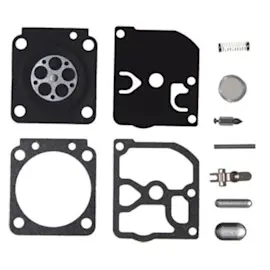
| Carburetor tuning and fuel delivery | Bogging, surging, weak acceleration | Clean/repair fuel system; consider carburetor 545081885 if needed |
| Airflow (dirty filter) | Rich running, smoke, poor throttle response | Replace engine air filter 530037793 |
| Chain sharpness and correct chain type | Slow cutting, extra vibration, overheating | Sharpen or replace chain; verify correct bar/chain combo in the manual |
| Fuel quality and mix ratio | Hard starting, poor power, plug fouling | Use fresh properly mixed 2-cycle fuel |
Why it matters
Horsepower is only one part of real cutting performance. On the Craftsman 944414370, a sharp low-kickback chain, correct chain tension, and a clean air filter often make a bigger difference than chasing a specific HP number.
Last updated: February 2026
What is the most reliable gas chainsaw?
For most homeowners, the most reliable gas chainsaw is the one that matches the work you actually do and is maintained correctly. For a Craftsman 944414370 (40cc, 16-inch bar) used occasionally, reliability comes from proper fuel mix, sharp chain, correct chain tension, and consistent lubrication as outlined in the owner's manual.
What “reliable” means for a gas chainsaw
Reliability is usually a combination of easy starting, steady power under load, safe handling, and low downtime.
- Starts in a few pulls when cold and hot
- Idles without stalling and accelerates cleanly
- Oils the bar and chain consistently
- Keeps the chain properly tensioned without frequent adjustment
- Has predictable kickback control (sharp chain, correct technique)
Brand and use-case guidance (homeowner vs. pro)
Across the industry, Husqvarna, Stihl, and Echo are commonly chosen for long-term durability. That said, a well-maintained mid-size saw like the Craftsman 944414370 can be very dependable for occasional cutting, limbing, and storm cleanup.
| Use case | What to prioritize | Typical fit |
|---|---|---|
| Occasional homeowner use | Easy starting, simple maintenance, safety features | 35cc to 45cc, 14 to 16 in. bar |
| Frequent property work | Strong air filtration, durable clutch, steady oiling | 45cc to 60cc, 16 to 20 in. bar |
| Pro or heavy cutting | High power-to-weight, serviceability, long duty cycles | 60cc+ with pro-grade components |
Maintenance items that most affect reliability on model 944414370
These are the parts and checks that prevent the most “won’t start” and “runs rough” complaints.
- Replace clogged filtration: engine air filter 530037793
- Fix fuel delivery issues (cracked or soft lines): poulan lawn & garden equipment fuel line, small 530069247 and ayp lawn & garden equipment fuel line, large 530069216
- Address hard starting, surging, or poor throttle response: carburetor 545081885
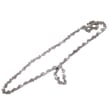
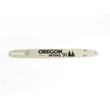
- Keep bar and chain matched and in good condition: bar 16" 160SDET041 and chain 91PX056G
Why it matters (especially for safety)
A dull or loose chain increases the chance of kickback and makes the saw feel “unreliable” even when the engine is fine. Our manual also stresses keeping the chain sharp and properly tensioned, and avoiding tip contact with objects to reduce kickback risk.
Quick reliability checklist before you buy or tune up
- Choose a saw size that matches your wood diameter and cutting frequency
- Plan on routine wear items (chain, bar, filter) as normal maintenance
- Use fresh, correctly mixed fuel and keep the oiler working
- Keep the chain sharp and tensioned (check with engine off)
Last updated: February 2026
What is the most common problem with chainsaws?
The most common problem we see with gas chainsaws like the Craftsman 944414370 is a chain that is dull or incorrectly tensioned, which makes cutting slow and rough and increases the chance of kickback. Fuel and air issues (stale fuel, clogged filter, cracked fuel line) are also very common. For model-specific maintenance and safety steps, use the owner's manual.
Most common issues (and what they look like)
- Dull chain: sawdust instead of chips, smoking cuts, you have to push hard
- Incorrect chain tension: chain clatters, binds in the cut, or derails
- Fuel delivery problems: hard starting, surging, or stalling (often from cracked/soft fuel lines)
- Restricted airflow: rough running and poor power from a dirty air filter
- Bar and oiling problems: dry bar, overheating, rapid chain wear
Quick checks we recommend first
- Engage and release the chain brake; a partially engaged brake can stop the chain from moving.
- Check chain tension; too tight can prevent movement, too loose can derail.
- Confirm bar and chain lubrication; clean the bar oil hole if oiling seems weak.
- Inspect the air filter; replace if dirty or damaged.
- Inspect fuel lines for cracks, looseness, or leaks; replace if questionable.
Common fixes and the parts that usually solve them
| Symptom | Likely cause | Part that often helps (if worn) |
|---|---|---|
| Hard to start, stalls | Fuel line cracked or restricted | Poulan lawn & garden equipment fuel line, small 530069247 or ayp lawn & garden equipment fuel line, large 530069216 |
| Runs rough, low power | Dirty air filter | Craftsman lawn & garden equipment engine air filter 530037793 |
| Poor oiling at bar/chain | Oil pump or pickup issue, blocked bar oil hole | Chainsaw oil pump 530071259 or chainsaw oil pick-up elbow 530049477 |
Why it matters
A dull or poorly tensioned chain does more than cut poorly; it raises the risk of kickback, which the manual describes as a sudden bar motion that can cause serious injury. Keeping the chain sharp, properly tensioned, and well-lubricated helps the saw cut straight and stay controllable.
Last updated: February 2026