 Owner’s manual



What is the capacity of the WFW9450WW00?
The Whirlpool WFW9450WW00 washer has a 3.8 cu. ft. capacity, which is a common size for Whirlpool Duet-style high efficiency front-load washers and is designed to use HE detergent. For cycle and load guidance, use the WFW9450WW00 owner's manual.
- Load items loosely so water and detergent can circulate.
- Fill the drum about 3/4 full for most mixed loads; do not pack items down.
- Wash bulky items (comforters, jackets) one at a time or in pairs to keep the load balanced.
- Use only HE detergent; too much soap can cause oversudsing and poor rinsing.
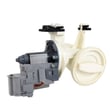
- If you see standing water or slow draining, check the drain pump filter area and hoses.
| Load type | Typical examples | Best practice |
|---|---|---|
| Small | A few shirts, light towels | Use a smaller load size or shorter cycle when available |
| Medium | Mixed clothing for 1 to 2 people | Keep items below the top of the drum |
| Large | Towels or jeans | Mix sizes, avoid all-heavy loads |
| Bulky | Comforter, bedding | Use a bulky/bedding cycle; do not overload |
Matching load size to the WFW9450WW00 capacity helps the washer tumble correctly, rinse fully, and spin out water efficiently. Overloading can lead to vibration, longer cycle times, and detergent residue.
If your washer displays a fault code or stops mid-cycle, use our Whirlpool duet he front load washer error codes reference to narrow down the cause before replacing parts.
Last updated: January 2026
What is the lifespan of a whirlpool washer?
Most Whirlpool washers, including the Whirlpool WFW9450WW00, typically last 10 to 15 years with normal household use. Lifespan depends most on load size, detergent choice (HE detergent for front-loaders), and routine maintenance like cleaning and replacing worn hoses on schedule (see the WFW9450WW00 owner's manual).
- Overloading: strains the drive system, bearings, and suspension.
- Detergent and dosing: too much detergent can cause residue, odors, and extra wear.
- Water quality: hard water can increase buildup in the tub and dispenser.
- Drain health: coins, lint, and debris can stress the drain path and pump.
- Hose condition: aging hoses are a common failure point.
We recommend these habits for the WFW9450WW00:
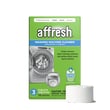
- Run a monthly cleaning cycle using a washer cleaner tablet as described in the manual.
- Remove and rinse the dispenser inserts periodically to prevent buildup.
- Leave the door slightly open between loads to reduce moisture and odor.
- Replace inlet hoses every 5 years, and inspect them regularly for bulges, kinks, cuts, wear, or leaks.
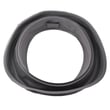
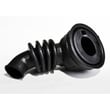
- Fix small leaks quickly; a worn door boot is a common source on front-load washers (example part: bellow WP8182119).
| Usage pattern | Typical lifespan | What to watch for |
|---|---|---|
| Light (few loads/week) | 12 to 15 years | Hoses aging, door seal leaks |
| Average (most households) | 10 to 15 years | Drain issues, vibration, odor |
| Heavy (daily loads) | 8 to 12 years | Bearings, motor/drive wear |
Planning around a realistic lifespan helps you decide when to invest in repairs (like a door seal, hose, or drive components) versus budgeting for replacement. Preventive care, especially hose replacement and routine cleaning, reduces sudden leaks and downtime.
Last updated: January 2026
What is the most common problem with whirlpool washers?
On the Whirlpool WFW9450WW00 washer, the most common customer-reported problems are draining issues, water-inlet (fill) problems, and leaks. Many of these start with simple causes like kinked hoses, clogged inlet screens, excess suds, or an unbalanced load; our WFW9450WW00 owner's manual walks through the first checks.
- Won’t fill or fills slowly: confirm both hot and cold faucets are fully open; check for kinked inlet hoses; clean clogged inlet screens.
- Won’t drain or won’t spin: check for a kinked or clogged drain hose; confirm the drain hose height is not too high (commonly 96 inches max for many Whirlpool front-load designs).
- Stops mid-cycle: look for power supply issues (tripped breaker, blown fuse); avoid extension cords.
- Door won’t lock or won’t start: close the door firmly; reduce load size if items are sticking out and preventing a full latch.
- Noise or vibration: level the washer and tighten leveling feet locknuts; redistribute bulky items.
- Leaks: inspect the door boot for tears or gaps and check hose connections for seepage; a worn door boot often points to the bellow WP8182119.
| Symptom | Most likely cause | Best first action |
|---|---|---|
| “F20” or no/low water | Water supply or clogged inlet screens | Open faucets; clean screens; unkink hoses |
| “F21” or standing water | Drain restriction or drain hose issue | Check hose for kinks/clogs; verify hose height |
| “SUD” routine runs | Too much detergent or wrong detergent | Use HE detergent; reduce dose |
| Won’t start | Door not fully latched or power issue | Re-close door firmly; check outlet/breaker |
If your display shows an “F” code (like F20 for water inlet or F21 for drain), use the troubleshooting steps in the manual first, then match the code to the right fix using Whirlpool duet alpha front load washer error codes.
Catching the simple causes first (hose kinks, clogged screens, excess suds, load balance, leveling) prevents repeat cycle failures, reduces leaks, and helps you avoid replacing parts like a drain hose, door boot, or door lock unnecessarily.
Last updated: January 2026






