Error Codes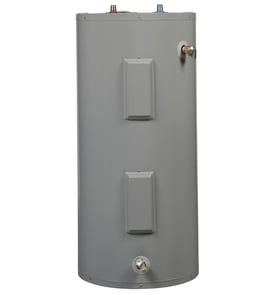



What are common Reliance water heater problems?
Common problems on a Reliance 630DORS electric water heater include no hot water, not enough hot water, fluctuating temperatures, water that is too hot, and leaks around fittings or the tank. Most issues trace back to the heating element, upper or lower thermostat, or sediment buildup.
Most common symptoms and likely causes
- No hot water: tripped breaker, failed heating element, failed upper thermostat
- Not enough hot water: lower element or lower thermostat not heating, heavy sediment
- Fluctuating temperature: thermostat out of calibration, loose wiring, element starting to fail
- Water too hot: thermostat stuck closed or set too high
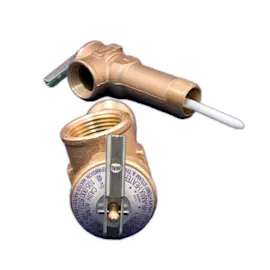
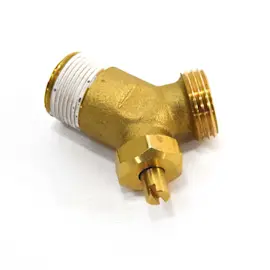
- Water on the floor: leaking drain valve, T and P relief valve discharge, plumbing connection leak
Quick checks we recommend first (safe, high value)
- Check power at the breaker (electric water heaters commonly use a 2-pole breaker).
- Look for obvious leaks at the drain valve and plumbing connections.
- Listen for heating after a hot-water draw; long recovery times often point to an element or thermostat issue.
- If you remove an access cover, turn off power first and inspect for burned wires or loose terminals.
Parts that commonly fix these problems on model 630DORS
If troubleshooting points to a failed control or heater, these model-matched parts are common replacements:
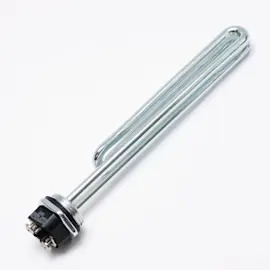
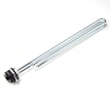
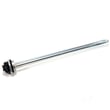
- Element 100108283 (heating performance, recovery time)
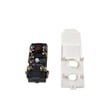
- Thermostat 100108683 (upper temperature control)
- Thermostat 100108421 (lower temperature control)
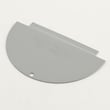
- Access panel 100109599 (damaged or missing cover can affect insulation and safety)
| Symptom | Most common part area | Typical next step |
|---|---|---|
| No hot water | Upper thermostat or element | Test/replace upper control first |
| Not enough hot water | Lower element or thermostat | Test lower heating circuit |
| Temperature swings | Thermostat or wiring | Inspect connections; replace thermostat if erratic |
| Water too hot | Thermostat | Lower setting; replace if stuck |
DIY help that matches these issues
- Use no hot water electric water heater troubleshooting video for a fast symptom-to-cause walkthrough.
- Follow how to replace an electric water heater heating element when an element tests open or heats poorly.
- Follow how to replace an electric water heater thermostat when temperature control is inconsistent.
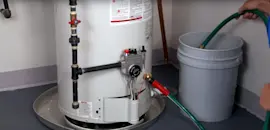
- If you suspect sediment, how to drain the tank on an electric water heater video helps restore performance.
Why it matters
Electric water heater problems often start small (slow recovery, mild temperature swings) and then become “no hot water.” Catching a weak element or drifting thermostat early helps prevent repeated breaker trips, overheating, and accelerated tank wear.
Last updated: February 2026
What is the average cost of a new electric hot water heater?
A new electric tank-style water heater like the Reliance 630DORS typically costs about $800 to $2,500 for the unit itself, with larger-capacity or premium models running higher. Total replacement cost is usually higher once labor, permits, and any plumbing or electrical updates are included.
Typical price ranges (unit only vs. installed)
Here are realistic ranges we see for electric tank water heaters in the U.S. market:
- Unit only (basic tank models): $800 to $2,500
- Unit only (larger or premium tank models): $2,500 to $5,000
- Installed total (common range): $1,500 to $6,500
- Installed total (complex installs): $6,500+
| Cost bucket | What it usually includes | When it applies |
|---|---|---|
| Unit only | Water heater tank, standard fittings | DIY replacement or you are sourcing the heater for a plumber |
| Installed total | Unit, labor, haul-away, basic materials | Straight swap with no code upgrades |
| Complex install | Unit, labor, permits, electrical/plumbing changes | Panel/wiring changes, relocation, expansion tank, shutoff/valve updates |
What drives the price up or down
These factors change the price more than the brand name does:
- Tank capacity (larger gallons typically cost more)
- Voltage and amperage requirements (120V vs. 240V, breaker size, wiring condition)
- Efficiency features (higher efficiency, better insulation, upgraded controls)
- Local labor rates and permit requirements
- Condition of shutoff valves, piping, and drain setup
- Whether you need related repairs (thermostat, heating element, access panel)
Why it matters
Matching the new heater to your home’s electrical setup and hot-water demand prevents nuisance issues like slow recovery, fluctuating temperatures, or repeated element failures. If your current unit is underheating, pricing out a repair first can also be worthwhile.
If you are troubleshooting performance before replacing the whole unit, start with the heating and temperature controls such as the thermostat 100108683 or the element 100108283, since those are common wear items on electric water heaters.
Helpful DIY guidance
For common electric water heater repairs and replacement steps, use our guides like how to replace an electric water heater heating element and how to replace an electric water heater thermostat.
Last updated: February 2026
What is the normal lifespan of an electric water heater?
A Reliance electric water heater like model 630DORS typically lasts 10 to 15 years. Lifespan depends most on water quality, maintenance (flushing sediment), and whether key components like the heating element and thermostats are replaced when they wear out.
Typical lifespan ranges
Most homeowners see these timeframes for tank-style water heaters:
| Water heater type | Typical lifespan |
|---|---|
| Electric tank water heater | 10 to 15 years |
| Gas tank water heater | 8 to 12 years |
What shortens (or extends) lifespan
These factors have the biggest impact on how long your 630DORS water heater runs reliably:
- Hard water and sediment buildup (forces the element to work harder)
- Infrequent tank draining/flushing (sediment stays in the bottom of the tank)
- High temperature setting (more stress on the tank and controls)
- Worn heating element causing slow recovery or no hot water
- Thermostat problems causing overheating or inconsistent temperatures
Maintenance and repair actions that help most
If you want the longest service life, these are the most effective, practical steps:
- Drain and flush the tank periodically; use how to drain the tank on an electric water heater video as a guide.
- Replace a weak or failed heating element promptly; see how to replace an electric water heater heating element.
- Fix temperature swings early; follow water heater fluctuating water temperatures.
- If you suspect thermostat issues, use how to replace an electric water heater thermostat and consider replacing the correct control for your tank location (upper vs. lower).
Parts that commonly get replaced on this model
For the Reliance 630DORS, these model-matched parts are commonly involved in “no hot water” or “not enough hot water” repairs:
- Element 100108283 (heating element)
- Thermostat 100108683 (upper thermostat)
- Thermostat 100108421 (lower thermostat)
Why it matters
Knowing the normal 10 to 15 year lifespan helps you decide whether to repair (often cost-effective when the tank is in good shape) or plan a replacement (more practical when the unit is near end-of-life and needs repeated service).
Last updated: February 2026