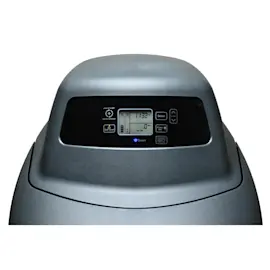
Owner’s manual
 Error Codes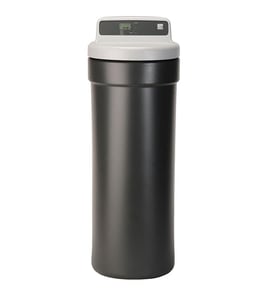





What water softeners do plumbers recommend?
Plumbers typically recommend water softeners that use a proven control valve design, have readily available replacement parts, and can be sized to your home’s water hardness and usage. For Kenmore model 625388800, we recommend using the sizing and setup guidance in the 625388800 owner's manual so the unit regenerates correctly and delivers consistent soft water.
What plumbers usually look for (and what to compare)
- Correct grain capacity for your household and measured water hardness
- Reliable regeneration control (timer or demand-initiated) and easy programming
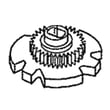
- Strong parts support (valve motor, seals, rotor/disc, switches)
- Bypass valve included for service and troubleshooting
- Clear maintenance routine (salt type, cleaning, periodic disinfecting)
Practical checklist before you buy or recommend a unit
- Test water hardness (grains per gallon) and check for iron.
- Size the softener for people in the home and daily gallons used.
- Confirm it can handle your water conditions; a softener removes hardness minerals and can handle some “clear water” iron, but it is not a drinking-water purifier.
- Plan for maintenance: keep salt in the brine tank and avoid salt bridging.
Brand and feature comparison (quick guide)
| What matters most | What to choose | Why plumbers like it |
|---|---|---|
| Easy repairs | Common valve platform with available parts | Faster service, lower downtime |
| Consistent soft water | Correct sizing + correct programming | Prevents frequent regenerations or hard water |
| Problem water | Added filtration (sediment, iron equipment if needed) | Protects valves and screens |
Why it matters
A “recommended” softener is the one that matches your water hardness, flow needs, and maintenance habits. When the unit is sized and programmed correctly, it protects plumbing and water-using appliances by reducing scale buildup.
Last updated: January 2026
Is it worth repairing a water softener?
Repairing a Kenmore water softener model 625388800 is worth it when the problem is isolated (leak at the valve, won’t regenerate, error code) and the tank and salt storage drum are sound. If the resin tank or salt drum is leaking, replacement is usually the better value.
Quick decision checklist
- Repair when the unit still makes soft water sometimes, but has a specific failure (motor, seals, switch, venturi).
- Repair when you see a valve-area leak or poor brine draw that points to serviceable parts.
- Repair when the display works and you can run a manual regeneration.
- Replace when the resin tank or salt storage drum is leaking (those are major components).
- Replace when multiple issues stack up (leaks plus drive problems plus repeated error codes).
What to check first (fast, no parts)
The manual’s initial checks help you avoid unnecessary repairs:
- Confirm the time-of-day display is correct; a long power outage can shift regeneration timing.
- If the display is blank, verify the outlet has power and the transformer is connected.
- Make sure the plumbing bypass valve is fully in the service position.
- Confirm inlet and outlet plumbing are connected correctly.
Use the 625388800 owner’s manual for the model-specific troubleshooting flow and diagnostics.
Common repairs that are usually “worth it”
These are typical, targeted fixes that restore performance without replacing the whole softener:
| Symptom | Likely area | Example part for this model |
|---|---|---|
| Water softener leaks at valve | Worn seals | Kenmore water softener seal kit 7185487 |
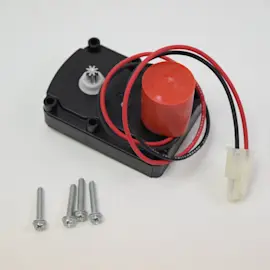
| Stuck in regeneration or noisy drive | Motor or gear/cam | Rep’l motor (valve motor), gear cam |
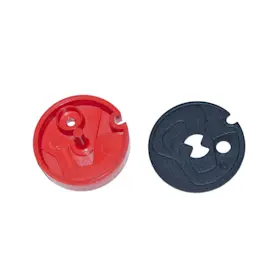
| Error code on display | Position sensing/drive | Rotor position switch, motor |
If you’re seeing an error code, the Kenmore error codes guide helps you match the code to the most likely failure.
Why it matters
A properly working softener protects plumbing and water-using appliances from scale buildup and keeps soap and detergent working efficiently. A focused repair (like seals or a valve motor) often restores normal regeneration and soft water service quickly.
Last updated: January 2026
What is the life expectancy of a water softener?
Most residential water softeners last 10 to 15 years. For the Kenmore 625388800, lifespan depends mainly on water hardness, iron levels, and routine care (salt management, cleaning, and freeze protection); consistent maintenance keeps the valve and resin system working longer.
Typical lifespan ranges
- 10 to 15 years: common for many single-tank residential softeners
- 15 to 20 years: achievable with steady maintenance and moderate water conditions
- Earlier replacement: likely when high iron, heavy usage, or neglected cleaning causes valve or resin issues
| What wears out first | What you may notice | Common fix path |
|---|---|---|
| Resin bed | Hard water returns sooner, more frequent regeneration | Clean resin bed; replace resin if exhausted |
| Rotary valve seals | Leaks, poor regeneration, salty water | Rebuild valve with a seal kit |
| Drive motor / gears | Stuck in regen, clicking, error behavior | Replace motor or gear/cam parts |
Maintenance that extends life
We recommend these habits for the 625388800:
- Keep salt above the water line in the brine tank; avoid letting it run empty.
- Break up and remove salt bridging (a hardened crust that prevents brine making).
- Clean the nozzle/venturi and screens when brine draw is weak.
- If your water has clear-water iron, clean the resin bed on a regular schedule.
- Protect the unit and plumbing from freezing; drain it if installed where it can freeze.
Parts that commonly restore performance
If the softener is otherwise in good shape, replacing wear items often adds years of service:
Why it matters
A softener that is near end-of-life often uses more salt and regenerates more frequently while delivering less consistent soft water. Staying ahead of resin and valve wear helps maintain water quality and reduces nuisance issues like leaks or incomplete regeneration.
For model-specific care steps (salt, cleaning, freeze protection, and troubleshooting), follow the 625388800 owner's manual.
Last updated: January 2026