Owner’s manual

How do I know what model my garage door opener is?
Your Craftsman garage door opener model is printed on the motor unit label, typically under the light lens cover. For model 13953925DS, confirm the exact model by matching that label to the model shown in the owner's manual.
Where to look on the opener
Check the motor unit (the power head mounted to the ceiling). On most Craftsman openers like 13953925DS, the model label is easiest to find:
- Under one of the light lens covers (remove the lens to view the label)
- On the side or bottom of the motor unit housing
- Near the learn/program button area (sometimes on the same label)
- On the back panel where wiring terminals and the antenna wire are located
What to write down (so you get the right parts)
Record these items exactly as shown on the label:
- Model number (example: 139.53925DS may appear with a dot on the label)
- Manufacturing/serial information (if listed)
- Motor unit type (belt drive vs. chain drive, if stated)
- Logic board or motor type notes (sometimes referenced in troubleshooting)
Quick check: label format vs. what you search
| Where you see it | How it may appear | What to use when searching |
|---|---|---|
| Motor unit label | 139.53925DS | 13953925DS |
| Manual cover | 139.53925DS | 13953925DS |
Why it matters
Garage door opener parts and programming steps (remote controls, keyless entry, safety sensor setup, force and travel adjustments) are model-specific. Using the exact model number helps us match the correct diagrams, troubleshooting steps, and compatible replacement parts.
If you are troubleshooting after you find the model
Use the model to narrow down diagnostics such as blinking light patterns and safety sensor issues; our Craftsman error codes guide is the fastest way to match symptoms to likely causes.
Last updated: February 2026
Why is my garage door not responding to remotes and/or keypad?
If your Craftsman 13953925DS garage door opener will not respond to remotes or a keypad, the most common causes are Lock Mode being turned on at the wall control, lost programming between the opener and remote/keyless entry, or a remote battery or transmitter issue. Use the troubleshooting and programming steps in the owner's manual.
Quick checks we recommend first
- Confirm the opener works from the wall-mounted door control; if it does, the issue is usually remote/keypad related.
- Check whether the wall control is blinking; blinking typically indicates Lock Mode is active (remotes are disabled).
- Replace the remote battery (and keypad battery if applicable), then try again.
- Reprogram the remote and keyless entry using the opener’s Learn button procedure.
- Watch the motor unit diagnostic LED (if equipped) for flash codes that point to the fault.
Reprogramming basics (what usually fixes it)
Most “suddenly stopped working” remote/keypad problems are resolved by reprogramming.
| Symptom | Most likely cause | What to do |
|---|---|---|
| Wall control works, remotes do not | Lock Mode on wall control | Turn off Lock Mode, then retest |
| One remote fails, others work | Remote battery or worn remote button | Replace battery; reprogram that remote |
| All remotes/keypad fail | Opener memory/code issue | Reprogram all devices using Learn button |
| Intermittent range | Weak battery or interference | Replace battery; test closer to door |
Why it matters
When remotes and keyless entry do not activate the opener, you can lose safe, reliable access to the garage. Restoring proper programming and disabling Lock Mode ensures the Security+ rolling code system can operate normally.
Related troubleshooting help
If you see diagnostic flashes or light patterns, match them to the chart and fix the underlying issue using Craftsman error codes.
Last updated: February 2026
Where can I buy Craftsman garage door opener parts?
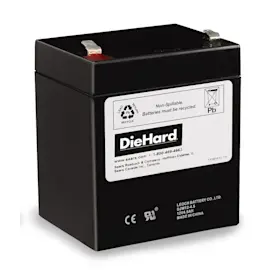
You can buy replacement parts for your Craftsman garage door opener model 13953925DS through Sears PartsDirect. Use the model-based parts list to match the exact component you need, then confirm compatibility and installation details in the owner's manual.
Best way to find the right part for model 13953925DS
- Start with the model number 13953925DS to avoid ordering the wrong component
- Identify the symptom first (won’t close, no lights, remote won’t work, clicking, grinding)
- Match the part by description and location in the opener (motor unit, rail, wall control, sensors)
- Cross-check wiring and connector style before ordering (low voltage vs high voltage harness)
- Verify accessory fit if you are adding features (keyless entry, rail extension, support brackets)
Common parts and accessories you may be shopping for
The 13953925DS manual lists several commonly replaced items and add-ons, including:
| Part or accessory | What it affects | Typical reason to replace/buy |
|---|---|---|
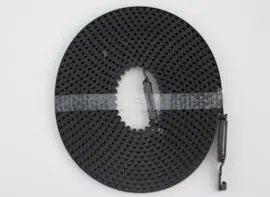
| Worm gear and retainer | Drive system | Opener runs but door won’t move, grinding noise |
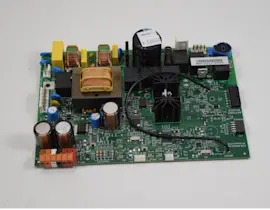
| Receiver/logic board assembly | Controls and radio signal | Remote issues, intermittent operation |
| Light socket or light lens | Opener lights | Light not working, lens damaged |
| Safety reversing sensors and brackets | Door safety system | Door won’t close, sensor alignment problems |
Why it matters
Garage door opener parts are highly model-specific. Using the 13953925DS parts list and the owner's manual helps ensure the replacement part matches your opener’s wiring, mounting points, and safety system requirements.
Helpful troubleshooting before you order
- Check that the safety sensor “eyes” are aligned and unobstructed
- Inspect low-voltage sensor wiring for staples, cuts, or loose connections
- Confirm the door moves smoothly by hand (disengage the trolley first)
- Note any flashing light patterns or diagnostic behavior
For code-based troubleshooting, use Craftsman error codes.
Last updated: February 2026
Is it cheaper to repair or replace a garage door opener?
For a Craftsman garage door opener like model 13953925DS, it’s cheaper to repair when the problem is isolated (safety sensors, remote programming, force/limit settings, worn gears) and the opener is otherwise reliable. Replace when the unit is older, has repeated failures, or the repair cost is close to half the price of a comparable new opener.
Quick decision guide
- Repair when the door won’t close due to misaligned safety reversing sensors (lights may flash 10 times) and the fix is cleaning, aligning, or rewiring.
- Repair when the issue is settings-related (force or travel limits) after a change in door balance or seasonal conditions.
- Repair when the opener runs but the door won’t move (common drive gear wear on many openers).
- Replace when the motor/control board has recurring issues, the opener is noisy and worn, or multiple components are failing.
- Replace when you want newer features (quieter operation, updated controls) and you’re already facing a major repair.
Cost and value comparison (typical)
| Scenario | Typical outcome | Best choice |
|---|---|---|
| Sensor alignment/obstruction issue | Low-cost fix, fast troubleshooting | Repair |
| Force/limit adjustment needed | No parts needed, just setup and testing | Repair |
| Gear or motor repair plus labor | Higher cost, more downtime | Depends |
| Repeated breakdowns over time | Ongoing cost and inconvenience | Replace |
Model-specific checks we recommend first
These steps often solve “repair vs replace” situations without major parts:
- Confirm the safety reversing sensors are installed, aligned, and unobstructed; the opener will not move down unless they’re connected and aligned.
- If the door reverses and the opener lights flash, correct the sensor issue before replacing anything.
- Review force and limit controls, then repeat the safety reverse test after any adjustment.
- Follow the monthly maintenance guidance: manually check door balance and binding; a binding door can mimic opener failure.
For the exact adjustment and testing procedure for model 13953925DS, use the owner's manual.
Why it matters
A garage door opener can look “bad” when the real problem is door balance, sensor alignment, or incorrect force settings. Fixing those restores safe operation and prevents unnecessary part replacement.
Last updated: February 2026
How to find the correct garage door opener?
To find the correct garage door opener for your garage, we match the opener to your door type, door size and weight, available headroom, and the features you want (quiet operation, battery backup, smart control). For a Craftsman setup like model 13953925DS, start with the planning and safety requirements in the owner's manual.
What to check before you buy
- Door type: sectional vs. one-piece; track style affects mounting and sensor placement.
- Door height: confirm the door height so the rail and travel limits fit.
- Headroom and backroom: measure ceiling clearance above the door and distance into the garage.
- Mounting structure: the header bracket must fasten into solid framing (not drywall).
- Power and controls: outlet location, wall control location (within sight, at least 5 ft high).
- Safety sensor location: plan for standard mounting or alternate floor mounting if needed.
Quick comparison: common opener choices
| What you care about | Typical best fit | Notes |
|---|---|---|
| Quiet operation | Belt drive | Best for garages under living space. |
| Value and durability | Chain drive | More noise, strong and common. |
| Smooth starts/stops | DC motor units | Often include soft start/stop and more features. |
| Power outages | Battery backup | Keeps access when power is out. |
Measurements and setup details that matter
Our Craftsman garage door opener manuals emphasize planning your installation around the door and garage layout. Use these checkpoints:
- Install the opener 7 ft or more above the floor.
- Mount the emergency release handle about 6 ft above the floor.
- Plan for extra materials if your garage construction needs extension brackets or wood blocks for sensors.
- After installation, test safety reversal: the door must reverse when it contacts a 1-1/2 inch object (or a 2x4 laid flat).
Why it matters
Choosing an opener that matches your door size, mounting space, and safety sensor setup prevents nuisance reversals, reduces strain on the motor and drive system, and helps the door reverse properly when something is in the opening.
Related troubleshooting help
If you are replacing an opener because of flashing lights or diagnostic issues, use Craftsman error codes to identify the failure pattern before you buy.
Last updated: February 2026