



Can I replace dishwasher parts myself?
Yes. For the GE GDT645SGN2BB dishwasher, we see many DIYers successfully replace straightforward parts like spray arms, rack rollers, and some seals with basic hand tools. For electrical diagnosis or leak-related repairs, plan on extra care and testing before you replace parts.
Good DIY repairs vs. better left to a pro
Many repairs are “remove and replace”; others require troubleshooting wiring, water flow, or error codes.
- Usually DIY-friendly: spray arms, dishrack rollers, detergent dispenser, some gaskets
- Moderate difficulty: water inlet valve, door latch components, sensors
- Higher risk/complexity: control board, wiring harness issues, recurring leaks you cannot pinpoint
DIY checklist before you start
- Shut off power at the breaker (dishwashers are hardwired or plugged in under the sink).
- Turn off the water supply valve under the sink.
- Pull the dishwasher out only if needed; protect the floor and water line.
- Take photos of wire and hose routing before disconnecting anything.
- After reassembly, run a short cycle and check for leaks at the inlet, sump, and door.
Parts we commonly see replaced on this model
| Symptom | Common DIY part to check | Example part for GDT645SGN2BB |
|---|---|---|
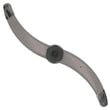
| Poor cleaning, debris left behind | Clogged or damaged spray arm | Dishwasher spray arm, lower WD22X33499 |
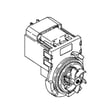
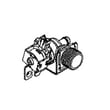
| Not filling or fills slowly | Water supply restriction or valve issue | Dishwasher water inlet valve WD15X26078 |
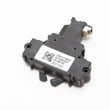
| Won’t start or won’t latch | Door latch not engaging | GE dishwasher door latch lock WD21X10490 |
| Detergent door not opening | Dispenser mechanism sticking | Dishwasher detergent dispenser WD12X32798 |
Why it matters
Replacing the right part the first time saves money and prevents repeat failures. On a dishwasher, a small issue like a restricted spray arm or a weak fill valve can look like a bigger problem (pump or control), so basic checks first are worth it.
If you’re seeing a flashing light pattern or a displayed fault, use GE electronic dishwasher error codes to match the symptom to the most likely cause before ordering parts.
Last updated: February 2026
What are the commonly replaced parts in a dishwasher?
In a GE dishwasher like model GDT645SGN2BB, the most commonly replaced parts are the wash and water-delivery components (spray arms, inlet valve, pump), door sealing and latching parts, and key electronics and sensors. These parts wear from heat, detergent, hard-water buildup, and normal mechanical use.
Commonly replaced parts (and what they do)
- Spray arms: spin and distribute wash water; clogs and worn bearings reduce cleaning.
- Heating system: heats water and boosts drying; failures cause poor drying and cool washes.
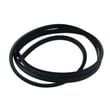
- Door latch and seals: keep the door closed and watertight; wear can cause leaks or no-start.
- Water inlet valve: controls fill; debris or coil failure causes no-fill or slow-fill.
- Wash pump and sump seals: create water pressure; wear can cause weak spray, noise, or leaks.
- Sensors and controls: manage fill level, water clarity, and cycle logic; failures can stop cycles or trigger errors.
Parts we often see replaced on GDT645SGN2BB
| Symptom | Likely part category | Example part for this model |
|---|---|---|
| Dishes not clean | Spray arm, pump | Dishwasher spray arm, lower WD22X33499 |
| Not filling or fills slowly | Fill system | Dishwasher water inlet valve WD15X26078 |
| Not drying or water not heating | Heating | Element heat WD05X35098 |
| Won’t start or won’t latch | Door latch | GE dishwasher door latch lock WD21X10490 |
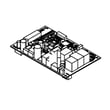
| Stops mid-cycle, odd behavior | Controls/sensors | Configured machine control board WD21X27998 |
Why it matters
Replacing the correct part restores wash pressure, proper fill, and safe heating. That prevents repeat clogs, leaks, and long cycle times, and it protects the control board from moisture-related damage.
Quick checks before you order parts
- Clean the filter area and check spray arm holes for debris.
- Confirm hot water supply to the dishwasher (hotter water improves cleaning and drying).
- Look for door seal gaps, tears, or mineral buildup along the tub lip.
- If you see an error code, match it to the failure before replacing electronics.
For code-based troubleshooting on GE models, use GE electronic dishwasher error codes.
Last updated: February 2026
What is the most common problem with GE dishwashers?
The most common GE dishwasher problem is a drain-related issue: the unit won’t drain fully, leaves water in the bottom, or stops mid-cycle. On the GE GDT645SGN2BB, this is usually caused by a clogged filter/sump area, a restriction in the drain hose, or a failing wash/drain component.
Most common symptoms we see
- Standing water in the tub after the cycle
- Gurgling sounds or slow draining at the end of the cycle
- Dishes not getting clean because wash water is not circulating well
- Cycle stops and beeps, or shows an error
- Musty odor from leftover water
Quick checks you can do first (no parts)
- Turn off power at the breaker.
- Remove the lower rack and check the sump area for debris (labels, glass, food).
- Confirm the drain hose is not kinked and the high loop is in place under the sink.
- Run hot water at the sink for 30 to 60 seconds before starting a cycle.
- If the dishwasher has an error, match it using GE electronic dishwasher error codes.
Parts that commonly fix drain and wash complaints
If cleaning and hose checks don’t help, these model-matched parts are common fixes:
| Problem you notice | Likely area | Model-matched part to consider |
|---|---|---|
| Won’t drain or drains slowly | Water sensing and drain logic | GE dishwasher pressure sensor WD21X25468 |
| Poor cleaning, weak spray | Spray pattern and circulation | Dishwasher spray arm, lower WD22X33499 |
| Stops, won’t run, odd behavior | Main control | Configured machine control board WD21X27998 |
Why it matters
Drain and circulation problems compound quickly: leftover water can redeposit soil, reduce heating and drying performance, and trigger error codes. Fixing the root cause (restriction, sensor, or control issue) restores normal cycle performance and helps prevent repeat clogs.
Last updated: February 2026





