
How do I know which garage door opener is compatible?
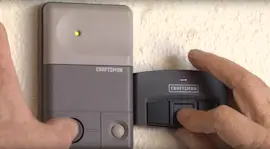
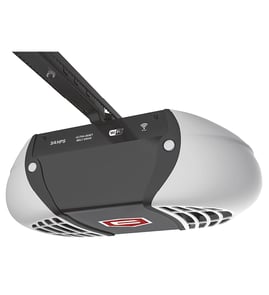
Compatibility is determined by the opener you already have, not by the garage door itself. For a Genie G2500 garage door opener, we match accessories (remote, keypad, wall control, smart controller) to the opener’s radio system and programming method, then confirm the accessory is designed for that Genie platform.
What to check on your Genie G2500
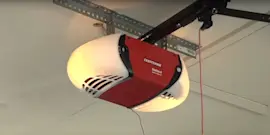
Look on the opener’s motor head (usually on the back or side) for the ID label and learn/program button area. Use these details to match the right accessory:
- Brand and model: Genie G2500
- Programming method: learn/program button vs. DIP switches (older style)
- Radio system: Genie systems commonly use Intellicode (rolling code) or older fixed-code formats
- Accessory type: remote vs. wireless keypad vs. wall console vs. smart hub
- Existing symptoms: blinking lights or beeps can point to a pairing or safety-sensor issue
Quick compatibility guide (what you’re trying to match)
| What you’re buying | Must match | Common mismatch that causes “won’t program” |
|---|---|---|
| Remote control | Genie radio system and programming method | Wrong code type (rolling code vs. fixed code) |
| Wireless keypad | Genie-compatible keypad format | Keypad made for a different brand/platform |
| Wall control | Correct wiring style and control logic | Using a wall control that is not designed for that opener |
| Smart controller | Supported opener platform and safety sensor behavior | Smart hub not compatible with the opener’s radio/control system |
Why it matters
If the accessory does not match the Genie G2500’s code technology and programming method, it may power on but never “learn” the opener. Matching the correct platform prevents wasted time and avoids repeated reprogramming attempts.
Helpful next steps
- If the opener has DIP switches, match a remote/keypad that supports that DIP-switch pattern.
- If it uses a learn/program button, clear and reprogram remotes one at a time (keep other remotes away during pairing).
- If the door won’t close, verify the safety sensors are aligned and unobstructed before assuming a remote compatibility problem.
- If you see diagnostic light patterns, use our Genie-specific code charts to narrow it down.
For troubleshooting that helps confirm whether you have a pairing issue or an opener fault, use Genie chain and belt-drive error codes and Genie screw-drive error codes.
Last updated: February 2026
What are the most common Genie remote issues?
The most common Genie remote issues on the Genie G2500 garage door opener are a weak/dead battery, radio interference that reduces range, and the remote losing its programming to the opener. Most problems are solved by replacing the battery, removing interference sources, and reprogramming the remote.
Quick checks we recommend first
- Replace the remote battery (confirm correct polarity and clean the contacts).
- Stand 10 to 20 feet from the door and test again (range issues can look like a dead remote).
- Make sure the opener’s light bulbs are not LED bulbs known to create interference; test with the bulbs removed.
- Verify the opener’s antenna wire is hanging down and not tucked up into the motor head.
- If the wall control works but the remote does not, reprogram the remote.
- If the door will not close, check the safety sensors first (a sensor issue can be mistaken for a remote issue).
Common symptoms and what they usually mean
| Symptom | Most likely cause | What to do next |
|---|---|---|
| No response, no lights on remote | Dead battery or bad contacts | Replace battery; clean contacts |
| Works up close only | Interference, antenna position, weak remote | Remove interference sources; check antenna; reprogram |
| Remote works, then stops after power outage | Lost programming | Reprogram remote to the opener |
| Wall button works but remote does not | Remote not paired, interference, receiver issue | Reprogram; reduce interference; check antenna |
Reprogramming tips (Learn button pairing)
- Use a step stool and keep clear of the door’s path.
- Press the opener’s Learn/Program button, then press the remote button you want to use within the pairing window.
- If you have multiple remotes, program them one at a time to avoid confusion.
For step-by-step help when lights blink or the opener indicates a fault, use our Genie chain and belt-drive error codes guide.
Why it matters
A remote that seems “bad” is often reacting to interference (LED bulbs, Wi-Fi devices) or a simple lost pairing. Fixing the root cause restores reliable range and helps prevent nuisance stops and reversals.
Last updated: February 2026
What's the average lifespan of a Genie garage door opener?
A Genie garage door opener like model G2500 typically lasts 10 to 15 years. With normal residential use and basic upkeep (safety sensor alignment, drive system inspection, and force setting checks), many openers reach the high end of that range before major repairs or replacement make more sense.
Typical lifespan by use and conditions
Most opener life comes down to cycles (opens and closes) and how smoothly the door itself runs.
- Light use (1-2 cycles/day): often 12-15 years
- Average use (4-6 cycles/day): often 10-12 years
- Heavy use (8+ cycles/day): often 7-10 years
- Poor door balance or binding tracks: shortens opener life quickly
- Heat, cold, and humidity swings: can shorten electronics life over time
Quick reference table
| What you notice | What it usually means | What to do next |
|---|---|---|
| Door reverses or stops mid-travel | Force or travel settings are off, or door is binding | Check door movement by hand; then adjust force/travel |
| Lights blink and door will not close | Safety sensor issue is common | Clean, realign, and verify sensor wiring |
| Motor runs but door barely moves | Drive system wear or internal gear wear | Inspect drive components; plan repair if slipping/grinding |
| Opener is loud and jerky | Door hardware needs service or drive is worn | Lubricate door hardware; inspect drive and mounting |
How to extend the life of a Genie G2500 opener
These steps reduce strain on the motor, gears, and drive system.
- Test door balance: disconnect the opener and lift the door halfway; it should stay near place
- Keep photo eyes clean and aligned; confirm both sensor LEDs are steady
- Tighten mounting hardware and rail supports to reduce vibration
- Lubricate door hinges and rollers (avoid getting lubricant on safety sensors)
- Recheck force settings if the door starts reversing or slamming
For step-by-step maintenance guidance, use our how to maintain a garage door opener resource.
Why it matters
A garage door that is heavy, out of balance, or misaligned can make a good opener fail early. Keeping the door running smoothly protects the opener motor, drive components, and control board, and it also helps the safety reversal system work correctly.
If you are seeing blinking light patterns or repeated reversals, our Genie chain and belt-drive error codes guide helps you narrow down the most common failure causes.
Last updated: February 2026
How do I sync my remote to my garage door opener?
To sync a remote to your Genie G2500 garage door opener, we put the opener into “learn/program” mode at the motor unit, then send the remote’s signal within the short pairing window so the opener stores it and responds to that button.
Quick sync steps (most Genie openers)
- Make sure the garage door is closed and the area is clear.
- Locate the Learn/Program button on the opener’s motor head (usually behind the light lens or a small cover).
- Press and release Learn/Program; a small LED typically turns on or starts blinking.
- Within about 30 seconds, press and hold the button on the remote you want to use.
- Release when the opener light flashes, the LED changes, or you hear a click.
- Test the remote from inside the garage first.
If it will not pair
Check these common causes
- Remote battery is weak or installed backward.
- You are too far from the opener during programming (stand 3 to 10 feet away).
- The opener is in lock/vacation mode at the wall control.
- Safety sensors are misaligned; some openers will not complete certain operations when sensors are faulting.
- The remote is the wrong frequency/series for the opener.
What to try next (in order)
- Replace the remote battery and retry programming.
- Power-cycle the opener (unplug for 30 seconds, then plug back in) and retry.
- If you are adding a second remote, try pairing it using the same steps, one remote at a time.
- If the opener lights blink an error pattern, use Genie chain and belt-drive error codes to identify what the opener is reporting.
Helpful reference table
| Symptom | What it usually means | What we do |
|---|---|---|
| LED never comes on in learn mode | Not entering programming mode | Press Learn/Program briefly (do not hold) and retry |
| Remote pairs but range is poor | Weak battery or interference | Replace battery; re-test closer; check for nearby LED bulb interference |
| Wall button works, remote does not | Remote not paired or locked out | Reprogram remote; check lock/vacation mode |
| Door will not close | Sensor issue | Inspect/align sensors; clear obstructions |
Why it matters
Correct pairing ensures the opener stores the remote’s code securely and prevents intermittent operation that can look like a bad motor, bad wall control, or a travel/force problem.
Last updated: February 2026
How to troubleshoot garage door openers?
For a Genie G2500 garage door opener, we troubleshoot by starting with power and controls, then checking the safety sensors, then verifying the door moves freely by hand. Most “won’t open” or “won’t close” problems come from sensor alignment, a locked door, or force/travel settings.
Quick checks (fastest fixes first)
- Confirm the opener has power (outlet, breaker, and any GFCI reset).
- Try the wall control; if it works but remotes do not, replace remote batteries and reprogram.
- Make sure the door is not manually locked and the trolley is engaged (not in manual release).
- Inspect safety sensors: lenses clean, brackets solid, and both sensors aimed at each other.
- Clear the door opening and photo-eye path; even small obstructions can stop closing.
Step-by-step troubleshooting
1) Test the door itself (rules out a door problem)
Disconnect the opener using the emergency release and lift the door by hand.
- If the door is heavy, binds, or will not stay mid-travel, the door hardware (springs/rollers/tracks) needs service.
- If the door moves smoothly, focus on the opener settings and controls.
2) Use the opener’s lights or blink codes
Many Genie openers signal faults using light patterns or diagnostic codes. Match what you see to the correct Genie guide:
- Chain or belt drive: Genie chain and belt-drive error codes
- Screw drive: Genie screw-drive error codes
3) If the door reverses or stops while closing
Common causes are sensor issues or force settings.
- Re-aim sensors until both indicator lights show a steady “good alignment” state.
- Reduce friction: check for track debris and dry rollers.
- Adjust close force/travel only in small increments; then retest.
What the symptom usually means
| Symptom | Most common cause | What to do next |
|---|---|---|
| No response from remote or wall control | No power, bad wall control wiring | Verify power, inspect wiring at terminals |
| Wall control works, remote does not | Remote battery or programming | Replace battery, reprogram remote |
| Won’t close, lights blink | Safety sensor blocked/misaligned | Clean, align, secure sensor brackets |
| Hums but door doesn’t move | Door binding or drive issue | Hand-test door, inspect drive system |
Why it matters
A garage door opener is designed to stop or reverse when it senses resistance or a safety-sensor interruption. Fixing the root cause (sensor alignment, door drag, or incorrect force settings) prevents repeat failures and reduces strain on the motor and drive.
Last updated: February 2026