 Installation guide
 Owner’s manual
 Error Codes
Can I replace dishwasher parts myself?
Yes, for the GE GDT565SSN0SS dishwasher we see many customers successfully replace basic, non-plumbing and non-wiring parts themselves (like spray arms and door latches) after shutting off power and water. For electrical, grounding, or installation-related work, follow the GDT565SSN0SS owner’s manual and use a qualified technician when needed.
What you can usually replace yourself
These repairs are typically straightforward with basic hand tools:
- Spray arms (clogs, cracks, poor cleaning)
- Door latch components (won’t start because the door won’t latch)
- Drain hose (leaks, kinks, restrictions)
- Tub gasket (leaks at the door opening)
- Silverware basket and rack hardware (fit and movement issues)
Repairs that are higher risk (use extra caution)
The manual calls out electrical shock and grounding risks; disconnect power before maintenance and avoid repairs not specifically recommended.
- Control boards, wiring, thermal fuses (diagnosis and safe handling matter)
- Pump and motor assemblies (leak risk plus electrical connections)
- Any hard-wired power connection or grounding work
Quick DIY decision table
| Repair type | Typical DIY difficulty | Common risk |
|---|---|---|
| Spray arm swap | Low | Cross-threading, missed debris in hub |
| Door latch/strike | Low to medium | Misalignment causing “won’t start” |
| Drain hose | Medium | Leaks, improper routing/high loop |
| Control/wiring | High | Shock risk, miswiring |
Parts that commonly solve the problem
If symptoms match, these model-listed parts are common DIY replacements:
- Poor cleaning or no spray: dishwasher spray arm, lower WD22X33499
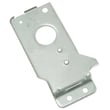
- Won’t start due to door not latching: GE dishwasher door latch lock WD21X10490
- Not draining: dishwasher drain pump WD19X25461 or dishwasher drain hose WD24X10062
Why it matters
A correct DIY repair saves time and restores performance, but an incorrect electrical or plumbing repair can create leaks, nuisance shutdowns, or safety hazards. Using the right shutdown steps and the correct part for GDT565SSN0SS prevents repeat failures.
Last updated: February 2026
What is the average life expectancy of a GE dishwasher?
A GE dishwasher like model GDT565SSN0SS typically lasts 10 to 12 years with normal household use. Consistent cleaning, correct detergent use, and fixing small issues early (drain, heating, or wash performance) are what most often push lifespan toward the high end.
Typical lifespan range (what to expect)
Most modern residential dishwashers fall into a predictable window based on use and care.
| Usage pattern | Typical life expectancy | What usually ends it first |
|---|---|---|
| Light use (few loads/week) | 12 to 15 years | Rack wear, door seals, minor leaks |
| Average use (daily or near-daily) | 10 to 12 years | Drain/wash pump wear, heater issues |
| Heavy use (multiple loads/day) | 8 to 10 years | Pump, control, latch, leaks |
What extends the life of your GDT565SSN0SS
We see these maintenance habits make the biggest difference over time:
- Clean and deodorize the dishwasher interior periodically (helps reduce mineral film and odors).
- Keep spray arms clear of debris so wash pressure stays strong.
- Use dishwasher detergent and rinse aid as recommended for dishwashers.
- Avoid overloading; proper loading improves cleaning and reduces strain on the wash system.
- Address draining problems quickly to prevent pump wear and standing water.
For model-specific care and cleaning steps, follow the GDT565SSN0SS owner’s manual.
Parts that commonly affect longevity
When performance drops, replacing a worn part often restores normal operation and prevents secondary damage.
- Poor draining or standing water: check the dishwasher drain pump WD19X25461 and drain path.
- Weak cleaning or poor spray: inspect the dishwasher spray arm, lower WD22X33499 for clogs or cracks.
- Not heating or poor drying: heating circuit issues can involve the element heat WD05X35098.
Why it matters
A dishwasher that is struggling to drain, heat, or spray correctly usually runs longer, cleans worse, and puts extra load on the wash pump and controls. Keeping wash performance normal is one of the simplest ways to protect the motor, sump, and seals over the long term.
Last updated: February 2026
What is the most common problem with GE dishwashers?
The most common problems we see on GE dishwashers like model GDT565SSN0SS are drain and fill interruptions, starting issues, and cleaning performance problems. Many are caused by simple conditions (power, water valve, loading, detergent) before a part such as a pump, latch, or sensor is needed; use the GDT565SSN0SS owner’s manual to match symptoms to the right fix.
Most common issues (and what they look like)
- Won’t start or won’t run: lights on but cycle will not begin, or stops early
- Not draining: standing water in the tub at end of cycle
- Not filling: little to no water enters after starting
- Poor cleaning: food left on dishes, detergent not dissolving
- Leaks at the door: water at the front corners or along the bottom edge
Quick checks we recommend first
- Confirm power: reset the breaker or replace the fuse; some installs use a wall switch that must be ON.
- Confirm water supply: make sure the shutoff valve under the sink is fully open.
- Make sure the door is fully latched: a loose close can prevent the dishwasher from running.
- Use the right detergent: only automatic dishwasher detergent; hand dish soap causes suds and poor washing.
- Avoid blocking the dispenser: tall dishware can keep the detergent cup from opening.
Common part-related causes on this model
| Symptom | Common cause | Part to consider |
|---|---|---|
| Won’t start, intermittent start | Door not sensing closed | GE dishwasher door latch lock WD21X10490 |
| Not draining, water left in tub | Drain pump issue or obstruction | Dishwasher drain pump WD19X25461 |
| Poor cleaning, weak spray | Clogged or damaged spray arm | Dishwasher spray arm, lower WD22X33499 |
| Fill or water-level problems | Pressure sensing issue | GE dishwasher pressure sensor WD21X25468 |
Why it matters
Drain, fill, and latch problems can stop a cycle mid-stream, leave dirty dishes, or create suds and overflow conditions. Catching the root cause early helps prevent repeat failures and avoids replacing the wrong part.
Helpful troubleshooting references
- Use GE electronic dishwasher error codes to interpret control beeps, flashes, or fault codes.
- For installation-related causes (leveling, securing, tub trim seating), review the GDT565SSN0SS installation guide.
Last updated: February 2026





