Installation guide
 Owner’s manual
 Error Codes


Can I replace dishwasher parts myself?
Yes, for KitchenAid dishwasher model KDFE104DBL4, we can replace many common parts ourselves if we shut off power and water first and follow the step-by-step instructions in the KDFE104DBL4 installation guide. For electrical controls or leak-related repairs, we use extra caution and stop if wiring or plumbing changes are needed.
What DIY repairs are usually realistic
These are the most common do-it-yourself jobs for a dishwasher like KDFE104DBL4:
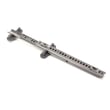
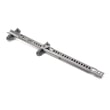
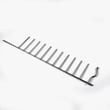
- Replace rack hardware such as the dishwasher dishrack roller assembly, lower WPW10195417
- Replace a door latch if the door will not close or start (for example, a door latch assembly)
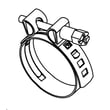
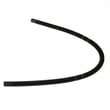
- Replace a drain hose if it is split, kinked, or leaking
- Replace a water inlet valve when the unit will not fill (after confirming water is turned on)
- Adjust door spring tension if the door drops open or slams shut
Safety steps we follow first
Before we touch any part, we do these basics:
- Turn off power at the breaker (or unplug if corded)
- Shut off the dishwasher water supply valve
- Protect the floor and keep the unit from tipping when pulled out
- Keep screws out of the sump area (a towel over the pump area helps during mounting work)
- Confirm the door is fully closed and latched before testing
Quick “DIY vs. technician” guide
| Repair type | Typical DIY difficulty | Why it can get complex |
|---|---|---|
| Rack rollers/adjusters | Easy | No plumbing or wiring changes |
| Door latch | Medium | Door alignment and switch engagement |
| Drain hose | Medium | Routing, high loop/air gap, leak checks |
| Water inlet valve | Medium to hard | Water connections and leak risk |
| Control board/console | Hard | Electrical diagnostics and wiring handling |
Why it matters
DIY replacement can save time and restore performance quickly, but dishwashers combine water and electricity. Following the correct install and test steps helps prevent leaks, poor washing, and no-start problems.
Last updated: February 2026
What is the most common problem with KitchenAid dishwashers?
The most common issue we see with KitchenAid dishwashers like model KDFE104DBL4 is poor cleaning results (food left on dishes). In most cases, it comes down to water flow and wash action problems such as a dirty filter area, blocked spray arms, low incoming water temperature, or detergent and rinse aid issues.
Quick checks that fix most “not cleaning” complaints
- Confirm the hot water going to the dishwasher is at least 120°F (49°C).
- Use fresh automatic dishwasher detergent (not hand soap or laundry detergent).
- Avoid overusing detergent; too much can create suds and disrupt filling and washing.
- Make sure the overfill protection float moves freely up and down.
- Load so items do not block spray arms; keep tall pans away from the center.
- Use rinse aid and select a heated drying option when needed (helps drying and reduces spotting).
What symptoms usually point to a part problem
If the basics above are good and cleaning is still poor, these symptoms help narrow it down:
| Symptom | Most likely area | What to check first |
|---|---|---|
| Dishes gritty or debris recirculates | Filter/sump area | Clean filter area; check for broken glass, labels, seeds |
| Upper rack not getting clean | Spray arm water delivery | Verify spray arm holes are clear; loading not blocking |
| Detergent not dispensing well | Dispenser | Check for a jammed door or wet/clumped detergent; consider replacing the dishwasher detergent dispenser W10861000 |
| Dishwasher seems to wash weakly | Circulation/wash system | Check for obstructions; inspect wash performance and noise changes |
Why it matters
Poor cleaning is usually a “system” issue: water temperature, correct detergent, and unobstructed spray action all work together. When one piece is off, the dishwasher can leave residue, redeposit soil, or even stop filling properly if suds are detected.
Helpful references for this model
- Use the troubleshooting and operating guidance in the KDFE104DBL4 owner's manual.
- If you’re seeing flashing lights or a stored fault, match the pattern to the KitchenAid microclean he dishwasher error codes guide.
Last updated: February 2026
How to identify a KitchenAid dishwasher model?
To identify your KitchenAid dishwasher model (including model KDFE104DBL4), open the door and look for the rating label on the inside edge of the tub near the door opening; it lists the model number and serial number you will need for parts and service.
Where to look on KDFE104DBL4
Check these common label locations first:
- Inside the dishwasher, along the left-hand side of the door opening
- Inside the dishwasher, along the right-hand side of the door opening
- On the tub frame just behind the door seal area (still visible with the door open)
- On a sticker or metal plate that includes both MODEL and SERIAL fields
For a diagram and model-specific guidance, use the KDFE104DBL4 owner’s manual.
What to write down (and why)
Record the information exactly as shown on the label:
- Model number (example: KDFE104DBL4)
- Serial number
- Any revision or engineering code (if shown)
- Color or finish code (if shown)
Why it matters
The model number narrows your dishwasher to the correct parts list; the serial number helps confirm production details so you get the right fit for items like a door latch, water inlet valve, or control board.
Quick checklist if you cannot find the label
Try these steps in order:
- Wipe the tub edge with a damp cloth; labels can be hidden by residue
- Use a flashlight and look along both vertical sides of the tub opening
- Check for a label partially tucked behind the door gasket
- Match the control panel layout to the diagrams in the KDFE104DBL4 installation guide
Common uses for the model number
| Task | What you will use | Example for this model |
|---|---|---|
| Order a replacement part | Model number | KDFE104DBL4 |
| Confirm a part fits | Model number plus part ID | Dishwasher door latch WPW10653840 |
| Troubleshoot flashing lights or codes | Model number plus symptoms | KitchenAid microclean he dishwasher error codes |
Last updated: February 2026
What are the commonly replaced parts in a dishwasher?
In the KitchenAid KDFE104DBL4 dishwasher, the most commonly replaced parts are the ones that move water, heat water, seal the door, and support the racks. When you see leaking, poor cleaning, no drain, or a door that will not latch, these parts are the first places we check; confirm symptoms and maintenance steps in the KDFE104DBL4 owner's manual.
Commonly replaced parts (and what they fix)
- Water inlet valve: dishwasher will not fill, fills slowly, or stops mid-cycle (example: dishwasher water inlet valve W11175771)
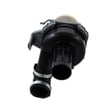
- Drain pump or drain hose: standing water, slow drain, or drain errors (example: dishwasher drain pump W10876537)
- Heating element: poor drying, cool wash water, or long cycles (example: element assembly W10703867)
- Door latch and seals: will not start because door will not latch, or leaks at the front (example: dishwasher door latch WPW10653840)
- Rack hardware (rollers, adjusters, clips): rack falls off track, binds, or will not adjust (example: dishwasher dishrack roller assembly, lower WPW10195417)
Quick symptom-to-part guide
| Symptom | Most likely areas | Example part on this model |
|---|---|---|
| Not filling | Water supply, inlet valve | W11175771 |
| Not draining | Drain pump, drain hose, air gap/high loop | W10876537, 8269144A |
| Not drying | Heating element, rinse aid use, loading | W10703867 |
| Door will not close/latch | Latch, alignment, door tension | WPW10653840 |
| Rack problems | Rollers, adjusters, rack assemblies | WPW10195417, WPW10546503 |
Why these parts fail most often
Dishwashers wear fastest in high-use, high-moisture areas. We see failures driven by:
- Food soil buildup that restricts filtration and spray
- Hard water scale on valves and heating components
- Small leaks that swell seals or corrode connectors
- Rack overload that breaks rollers and adjusters
- Normal motor wear over years of heat cycles
Maintenance that prevents repeat failures
Your KDFE104DBL4 uses a filtration system with an upper filter assembly and lower filter; keeping filters properly installed and cleaned helps prevent gritty dishes and circulation issues.
- Clean the filters when you see debris or dishes feel gritty
- Rinse heavy food off dishes and avoid blocking spray arms
- Use the right detergent amount for your water hardness
- Keep the drain path correct (high loop or air gap as required)
- Run a dishwasher cleaner periodically to reduce grease and scale
Why it matters
Replacing the correct part the first time saves money and prevents secondary damage, like a leak reaching wiring or a restricted drain overworking the pump.
Last updated: February 2026