Error Codes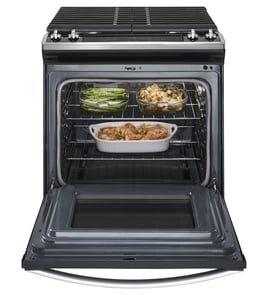


What are the benefits of JGBP33SEH3SS?
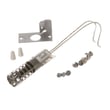
The GE JGBP33SEH3SS gas range is built for straightforward everyday cooking: responsive surface burners, a gas oven that heats quickly, and serviceable components that make common repairs practical over the life of the range (for example, replacing an oven igniter such as WB2X9154 WB2X9154).
Key benefits you will notice day to day
- Fast heat response: Gas burners adjust instantly when you turn the knob.
- Versatile cooktop: Multiple burner positions support simmering and higher-heat cooking.
- Reliable oven ignition: A healthy igniter helps the oven light consistently.
- Repair-friendly design: Many wear items are replaceable without replacing the whole range.
- Easy-to-source maintenance parts: Common items like burner caps, grates, and light parts are available.
Common “benefit” upgrades when parts are in good shape
Keeping these parts clean and in good condition preserves performance on the JGBP33SEH3SS:
| What you want | What usually affects it | Example part for this model |
|---|---|---|
| Oven lights reliably and heats evenly | Weak or failing igniter | WB2X9154 WB2X9154 |
| Stable, even surface flame | Dirty/worn burner head or cap | Burner head WB16T10046; burner cap WB29K10009 |
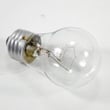
| Oven light works | Burned-out bulb or socket issue | Appliance light bulb 40A15; range light socket WB08T10026 |
Quick checks that improve performance
- Clean burner caps and burner heads; keep ports clear.
- Make sure burner caps sit flat and centered.
- If the oven takes a long time to ignite, inspect the igniter and wiring.
- Replace a dim or dead oven light bulb before assuming a control problem.
- If flames look uneven, check for spills under the cap and around the burner head.
Why it matters
Most “benefits” of a gas range come down to control, heat consistency, and reliability. When ignition and burner components are working correctly, the JGBP33SEH3SS delivers predictable cooking results and avoids nuisance issues like delayed ignition or uneven flames.
Last updated: February 2026
What is the life expectancy of a GE gas range?
A GE gas range like model JGBP33SEH3SS typically lasts 13 to 15 years. With consistent cleaning, correct burner flame, and timely replacement of wear parts (like igniters and burner components), many ranges reach the upper end of that range.
Typical life expectancy (what to expect)
Most gas ranges fall into a fairly consistent lifespan range because the core components are mechanical and heat-driven.
| Appliance type | Typical life expectancy | What usually ends it first |
|---|---|---|
| Gas range | 13 to 15 years | Oven igniter, gas valve issues, burner wear, control problems |
| Gas cooktop (for comparison) | 13 to 15 years | Burner heads/caps, valves, ignition parts |
What helps your range last longer
These habits reduce stress on the oven burner, surface burners, and controls.
- Keep burner heads and caps seated correctly after cleaning so the flame stays even.
- Clean spills quickly to prevent clogged ports and corrosion on burner parts.
- Avoid slamming the oven door; it protects hinges and door glass alignment.
- If bake takes longer than normal, address it early (a weak igniter can strain other components).
- Use the correct bulb type and wattage for the oven light to avoid socket damage.
Parts that commonly affect “end of life” decisions
If your range is heating poorly or ignition is inconsistent, replacing a few common parts often restores normal operation.
- Oven not heating or slow preheat: check the WB2X9154 WB2X9154 (oven burner igniter).
- Uneven surface burner flame: inspect/clean the WB16T10046 burner (surface burner head) and WB29K10009 range surface burner cap.
- Burner flame too small or irregular after cleaning: the WB28K10023 range surface burner orifice can be a factor.
Why it matters
Knowing the typical lifespan helps you decide whether to repair or replace. On a 13 to 15 year old gas range, a straightforward repair (igniter, burner head, cap, orifice) often makes sense, while repeated control or gas delivery problems can push costs higher.
Last updated: February 2026
Is GE JGBP33SEH3SS considered high end?
The GE JGBP33SEH3SS gas range is typically considered a standard, value-focused GE range, not a high-end or luxury model. “High end” in ranges usually means premium feature sets (convection, advanced controls, pro-style burners) and higher-grade finishes; this model is generally built for straightforward everyday cooking.
How to tell if a range is “high end”
We use these practical checkpoints when comparing gas ranges:
- Cooking features: convection baking/roasting, precision temperature modes, specialty settings
- Burner performance: higher BTU output, better simmer control, more burner sizes
- Controls and electronics: touch controls, advanced displays, smart features
- Build and finish: heavier grates, upgraded knobs/handles, premium coatings
- Serviceability and parts cost: premium models often have higher-cost components
What this means for parts and repairs
Standard ranges like the JGBP33SEH3SS are usually economical to maintain because common wear items are widely available. If you are troubleshooting performance issues, start with the parts most likely to affect ignition, temperature control, and burner flame quality.
Common parts customers replace on this model include:
- WB2X9154 WB2X9154 (oven burner igniter)
- Sensor WB21X5301 (temperature sensing component)
- Range surface burner head WB16T10046 (burner head for uneven flame or poor ignition)
- Range surface burner cap WB29K10009 (burner cap fit and flame pattern)
Quick comparison: standard vs high-end gas range
| Category | Standard range (typical) | High-end range (typical) |
|---|---|---|
| Core goal | Reliable everyday cooking | Performance and premium features |
| Burner setup | Basic BTU range | Higher BTU, more precision |
| Oven features | Basic bake/broil | Convection and specialty modes |
| Materials | Practical finishes | Heavier-duty, premium finishes |
Why it matters
Knowing whether your GE range is standard or high end helps set expectations for features, replacement part costs, and upgrade decisions. If your goal is better baking performance or faster boil times, comparing feature sets matters more than brand name alone.
Last updated: February 2026
What are common problems with GE ranges?
Common problems we see on GE ranges like model JGBP33SEH3SS include surface burners that click but do not light, an oven that will not heat or heats unevenly, and an oven light that stops working. These issues are often tied to ignition parts, burner components, or temperature sensing.
Most common symptoms (and what usually causes them)
- Surface burner won’t light or lights slowly: clogged burner ports, misaligned burner cap, or a problem in the burner head/orifice path
- Oven won’t heat (bake) or takes too long: weak or failed igniter, gas flow issue, or a temperature sensing problem
- Oven temperature seems off: sensor drift, poor airflow, or heavy soil affecting heat circulation
- Burner flame is uneven or too high/low: dirty burner head, incorrect cap placement, or orifice/tube restriction
- Oven light not working: burned-out bulb or a failed socket
Quick checks you can do first
- Make sure burner caps sit flat and centered on the burner head.
- Clean burner ports with a soft brush; avoid enlarging ports with hard tools.
- For the oven, watch for a normal preheat: the igniter should glow and the burner should light within a short time.
- If the oven light is out, try the correct bulb type first, then inspect the socket.
- If you smell gas or suspect a leak, turn off the gas supply and stop using the range.
Parts that commonly solve these problems (for JGBP33SEH3SS)
| Symptom | Common part to check | Example on this model |
|---|---|---|
| Oven won’t heat | Oven burner igniter | WB2X9154 WB2X9154 |
| Oven temp erratic | Sensor | Sensor WB21X5301 |
| Burner won’t light evenly | Burner head/cap/orifice | Burner WB16T10046, range surface burner cap WB29K10009, range surface burner orifice WB28K10023 |
| Oven light out | Bulb or socket | 40a15bulb 40A15, range light socket WB08T10026 |
Why it matters
Gas ignition and temperature control problems can lead to undercooking, overheating, and unreliable burner performance. Addressing the root cause (dirty burner parts, a weak igniter, or a failing sensor) restores safe, consistent cooking results.
Last updated: February 2026