Owner’s manual
 Error Codes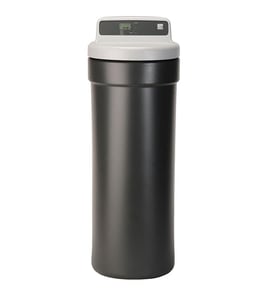




Is it worth repairing a water softener?
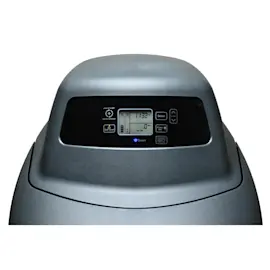
Yes, repairing a Kenmore water softener model 625348471 is worth it when the problem is limited to common service parts (seals, venturi, rotor/disc, or a switch) and the cabinet and tanks are in good shape; replacement makes more sense when the resin is exhausted or the unit has repeated leaks. Use the 625348471 owner’s manual to confirm diagnostics and regeneration checks.
Quick decision checklist
- Repair when you have no soft water, slow brine draw, or a stuck regeneration tied to a serviceable valve component.
- Repair when the leak is at the valve area and you can reseal it with a kit.
- Replace when the resin is spent (softening capacity stays low even after correct settings and multiple regenerations).
- Replace when the resin tank is damaged or the unit has chronic internal bypassing.
- Replace when repair cost is close to a major assembly (for example, resin tank with resin).
Common repairs that are usually worth it on this model
These are typical, high-impact fixes for the 625348471 valve and brine system:
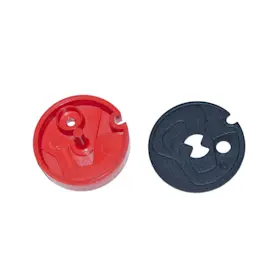
- Reseal the valve using the Kenmore water softener seal kit 7129716.
- Clean or replace the nozzle/venturi if brine is not drawing: how to clean a water softener nozzle and venturi.
- Replace the venturi/nozzle assembly if cleaning does not restore suction.
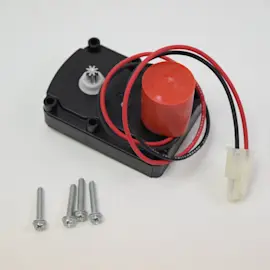
- Address position-sensing issues that stop regeneration steps: how to replace a water softener rotor position switch.
| Symptom | Likely area | Typical outcome |
|---|---|---|
| No soft water | Settings, venturi, internal bypass | Repair often restores performance |
| Leaks at valve | Seals, cover, fittings | Repair usually successful |
| Unit stuck in regen | Switch, motor, rotor/disc | Repair often successful |
| High salt use | Programming, leaks, resin age | Repair or replace depending on cause |
Why it matters
A working softener protects plumbing and water-using appliances from scale, and a targeted repair (seal kit, venturi service, switch replacement) typically restores proper regeneration without the cost of a full replacement system.
What we recommend before you decide
- Verify the bypass valve is fully in “service” and the unit has power.
- Confirm hardness and regeneration settings using the 625348471 owner’s manual.
- Check for salt bridging and a clogged venturi/nozzle.
- If you see an error, use Kenmore error codes to narrow the failure to a specific circuit or component.
Last updated: January 2026
What does a plumber charge to install a water softener?
A plumber typically charges $300 to $1,000 in labor to install a water softener like Kenmore 625348471; your total installed cost is usually higher if you also need new shutoff valves, a drain connection, or a bypass setup. Use the 625348471 owner's manual to confirm your specific connection and drain requirements.
What usually changes the price
- Existing plumbing readiness: pre-plumbed loop and nearby drain lowers labor time
- Drain routing: adding an air gap or running a longer drain line increases labor
- Bypass and shutoffs: adding or replacing valves adds parts and time
- Location and access: tight utility rooms, crawlspaces, or finished basements cost more
- Local rates: metro areas and emergency scheduling cost more
Typical cost breakdown (what you are paying for)
| Item | Typical range | Notes |
|---|---|---|
| Labor only (swap or straightforward install) | $300 to $1,000 | Most common range for standard installs |
| Extra plumbing work (as needed) | $100 to $800+ | Shutoffs, rerouting, drain/standpipe work |
| Materials (fittings, tubing, valves) | $25 to $250+ | Varies by pipe type and code needs |
Quick checklist to get an accurate quote
- Confirm pipe size/material (copper, PEX, CPVC) at the install location
- Identify a nearby drain point for regeneration discharge
- Verify you have space for the unit and salt loading access
- Ask whether the quote includes a bypass valve and new shutoff valves
- Ask if startup includes programming hardness and a leak check
Why it matters
A water softener install is simple when the home already has a softener loop and drain nearby; costs rise quickly when a plumber must add a drain connection, reroute supply lines, or improve shutoff and bypass control for safe servicing.
Last updated: January 2026
What is the average lifespan of a water softener?
Most water softeners, including the Kenmore 625348471, last 10 to 15 years. With consistent maintenance (keeping salt in the brine tank, cleaning key flow components, and fixing small leaks early), it’s normal to reach the high end of that range.
Typical lifespan and what changes it
A water softener’s life is mainly driven by water conditions and how hard the unit has to work.
- Hardness level: harder water means more frequent regeneration and faster wear
- Household water use: higher demand increases cycling and component fatigue
- Salt and brine quality: salt bridging or dirty brine can cause poor regeneration
- Sediment/iron: can clog screens and venturi parts, stressing the valve
- Timely repairs: replacing worn seals early prevents bigger valve-body damage
What usually fails first (and what to service)
On Kenmore units like model 625348471, the most common wear points are in the valve and brine draw system.
| Area | Common symptom | Typical fix |
|---|---|---|
| Valve seals | Leaks, constant running water | Replace seals (often a seal kit) |
| Nozzle/venturi | No soft water, weak brine draw | Clean or replace venturi/nozzle |
| Screens/turbine | Erratic operation, poor metering | Clean screens, inspect turbine |
| Switch/motor system | Stuck in cycle, error codes | Test switch/motor, replace as needed |
If you’re seeing leaks around the valve, a worn seal set is a frequent cause; the Kenmore water softener seal kit 7129716 is a common repair part for this model.
Maintenance that extends lifespan
Use these habits to keep performance steady year after year:
- Keep salt above the water line and break up salt bridges when they form
- Clean the nozzle/venturi periodically; follow the 625348471 owner’s manual for the correct procedure
- Check the drain hose routing and secure connections to prevent slow leaks
- Clean the filter screen if you have sediment issues
- Watch for control or cycle problems; use Kenmore error codes to narrow down what the softener is reporting
Why it matters
A softener that’s nearing end-of-life often still runs, but it wastes salt and water, regenerates too often, and can deliver inconsistent soft water. Preventive service (especially seals and venturi cleaning) keeps the resin bed working efficiently and protects the valve body.
Last updated: January 2026