


Where is the model number on a Craftsman rear tine tiller?
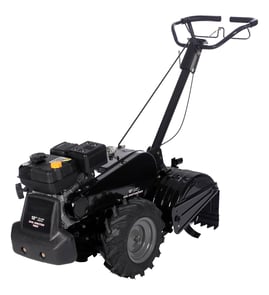
On a Craftsman rear-tine tiller, the model number is printed on the product ID label or metal tag. For model 917299253, we most often see that label on the tine shield/guard area, near the engine, or on or near the fuel tank.
Common places to check first
- On the tine shield (the guard covering the tines)
- On the frame near the engine mount
- On or near the fuel tank (side or top surface)
- On the front of the tiller frame (especially on larger rear-tine units)
- Near the transmission/gear case area (on the main chassis)
What the label looks like
The model tag is usually a small sticker or metal plate with a model number and sometimes a serial number. Wipe off dirt and oil first; a quick cleaning often makes the numbers readable.
Why it matters
Using the exact model number (like 917299253) helps us match the correct Craftsman tiller parts and diagrams, especially for drive and tine components that vary by production run.
If the label is missing or unreadable
Use these practical workarounds to identify the right parts:
| What you can use | Where to find it | How it helps |
|---|---|---|
| Part numbers stamped on parts | Chains, brackets, gear case, hardware | Confirms compatibility when ordering replacements |
| Visual match to diagrams | Parts breakdown views | Helps narrow down the correct assembly |
| Key wear items | Drive and tine system | Points you to the most likely needed replacements |
If you are troubleshooting a wheels or tines issue while identifying the unit, follow rear tine tiller troubleshooting tips wheels and tines for the fastest checks.
Last updated: February 2026
How often should I change the oil in my tiller?
For your Craftsman 917299253 rear-tine tiller, we change the engine oil after the first few hours on a new or rebuilt engine, then about every 25 to 50 hours of use or at least once per season (once per year). If the oil looks dark, smells like fuel, or feels gritty, change it sooner.
Recommended oil-change schedule
- New or rebuilt engine: change after the first 5 hours of run time
- Normal use: every 25 to 50 hours
- Seasonal use: at least once per season (even if hours are low)
- Dusty, hot, or heavy tilling: closer to 25 hours
- Long storage: change oil before storage so acids and moisture are not sitting in the crankcase
Quick oil-change checklist
- Warm the engine for 2 to 3 minutes, then shut it off.
- Disconnect the spark plug wire so the engine cannot start.
- Drain oil into an approved container; reinstall the drain plug securely.
- Refill with the correct oil type and bring the level to the full mark (do not overfill).
- Run the engine briefly, shut down, then recheck the level and look for leaks.
What to check while you are there
| What you see | What it usually means | What to do |
|---|---|---|
| Oil is black quickly | Normal on small engines under load | Shorten interval to 25 hours |
| Oil smells like gas | Fuel dilution (carb issue, flooding) | Change oil now; troubleshoot fuel system |
| Milky oil | Moisture contamination | Change oil; avoid short run times |
Why it matters
Fresh oil protects the crankshaft, piston, and bearings from wear and overheating. On a rear-tine tiller that works under heavy load, clean oil is one of the biggest factors in engine life and reliable starting.
For more maintenance pointers that pair well with oil changes (like belt and tine checks), use our tiller common questions guide.
Last updated: February 2026
What tiller is made in the USA?
Some tillers are made in the USA, but it varies by brand and even by specific model and production run. For your Craftsman rear-tine tiller model 917299253, the most reliable way to confirm country of origin is to check the product ID label on the tiller itself (typically on the frame near the engine or transmission) and match parts using our model-specific parts list.
How to confirm where your tiller was made
Use these quick checks on the actual machine:
- Look for a data plate or product label on the frame, handle support, or transmission housing.
- Check for wording such as “Made in USA”, “Assembled in USA”, or an imported country.
- Record the model number (917299253) and any serial number shown.
- If the label is missing, compare your machine’s assemblies to the parts diagrams and common drivetrain parts.
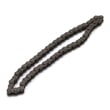
- When you are servicing the drivetrain, matching the correct chain and gear case parts helps confirm you are working on the right configuration.
USA-made brands you may see (varies by model)
Across the tiller market, some brands have offered USA-made or USA-assembled tillers in certain product lines. Availability changes over time, so always verify on the unit label.
| Brand (example) | Typical type | What to verify on the label |
|---|---|---|
| Mantis | Lightweight cultivator/tiller | “Made in USA” vs “Assembled” wording |
| MacKissic (Merry Tiller) | Mid-tine style | Model-specific origin statement |
| Northwest Tillers | Heavy-duty farm tillers | Model and build location |
| Power Dog | Garden/commercial | Model line and production year |
Why it matters
Country of origin can affect parts sourcing, fastener standards, and drivetrain design. When you are troubleshooting wheel or tine drive issues on a rear-tine tiller, identifying the correct transmission components is more important than the brand name alone.
If you are diagnosing drive problems, our DIY help on rear tine tiller troubleshooting tips wheels and tines walks through common causes and checks.
Last updated: February 2026
Are Craftsman rear tine tillers any good?
Yes. Craftsman rear-tine tillers are a solid choice for most home gardens because they are built to handle tougher soil, maintain steady tine rotation, and offer good control compared with many front-tine designs. For your Craftsman 917299253, condition and maintenance matter as much as the brand.
What “good” looks like on a rear-tine tiller
A good rear-tine tiller should do these things consistently:
- Start reliably and run smoothly under load
- Pull forward without excessive wheel slip
- Keep the tines turning without surging or binding
- Shift and engage drive/tines cleanly (no grinding or popping out of gear)
- Till evenly at the depth you set
For operating and performance expectations, we recommend reviewing tiller common questions.
Quick checks that tell you if yours is performing well
These are the most common signs your tiller is in good working order:
- Tines dig and “chew” soil instead of skating across the top
- Wheels and tines both drive when engaged (no intermittent motion)
- No oil or grease leaks around the gear case area
- No loud chain slap, clunking, or rhythmic clicking while tilling
- Depth stake holds position and keeps the machine from “running away”
If you are seeing weak digging or uneven results, use tiller poor tilling to narrow down the cause.
Parts that often affect tilling performance on model 917299253
Wear items and drive components have the biggest impact on how “good” a tiller feels in the yard.
| Symptom | Common area to inspect | Example part for this model |
|---|---|---|
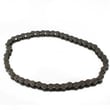
| Tines do not pull well or stop under load | Drive/gear case components | Tiller chain, #25-50 532102134 |
| Poor depth control, machine hops or runs too deep | Depth control hardware | Depth stake 532102156 |
| Wheels do not track well or feel unstable | Wheel/axle components | Tiller wheel 532102190 |
Why it matters
A rear-tine tiller can be “good” on paper but feel frustrating if the drive system is worn or the depth control is not set up correctly. Keeping the chain drive, gear case components, and depth stake in good shape is what preserves performance season after season.
Last updated: February 2026
How deep does a rear tine tiller go?
The Craftsman rear-tine tiller model 917299253 is designed to till up to about 6 inches deep. You control actual working depth with the depth stake (drag bar) setting and by making multiple passes, starting shallow and stepping down.
What controls tilling depth
On rear-tine tillers, depth is mainly limited by the depth stake and soil conditions.
- Depth stake position: A deeper setting lets the tines bite more.
- Number of passes: Shallow first pass, then deeper passes.
- Soil moisture: Slightly moist soil tills deeper and more evenly.
- Forward speed: Slower travel helps the tines dig instead of skipping.
- Tine condition: Worn tines reduce bite and effective depth.
Typical results you will see
| Job | Practical depth range | Best method |
|---|---|---|
| Breaking new ground | 2 to 4 in. | Shallow setting; 2+ passes |
| Garden bed prep | 4 to 6 in. | Step down gradually |
| Mixing compost/topsoil | 3 to 6 in. | Moderate depth; steady pace |
If it will not reach full depth
These checks solve most “poor tilling” complaints.
- Set the depth stake lower and make another pass.
- Till in shorter runs; let the tines pull the machine.
- Remove rocks, roots, and heavy thatch that stop tine penetration.
- If the depth stake will not hold position, inspect the locking hardware such as the lock lever 532109228.
- If the drivetrain slips or binds, inspect drive components like the tiller chain, #25-50 532102134.
Why it matters
Staying within the designed depth (about 6 inches on this model) prevents excessive strain on the gear case and chains, and it produces a finer seedbed by working the soil in controlled, repeatable passes.
For operating technique and wheel/tine setup tips, use our tips for using a rear tine tiller article.
Last updated: February 2026