Owner’s manual
 View engine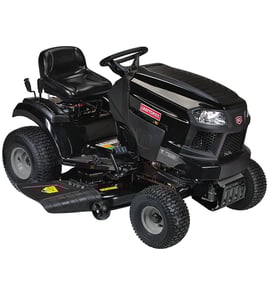


What kind of engine does a Craftsman riding lawn mower have?
For Craftsman model 917289261, the operator’s manual identifies it as a low-emission gasoline engine setup; the exact engine brand and displacement vary by build, so we use the model’s spec section in the 917289261 owner's manual to match the correct engine details and service parts.
What we can confirm for model 917289261
From the manual cover and specifications section, this tractor is a front-engine riding lawn tractor designed around a low-emission engine platform and standard riding-mower service items (spark plug, air filter, fuel system maintenance). Use the manual to confirm the exact engine family before ordering ignition or fuel parts.
Quick checks to identify your exact engine
- Look for the engine ID label on the blower housing or valve cover (model, type, code).
- Compare that label to the Product Specifications section in the manual.
- Verify whether your tractor is the 917.28926 series shown in the manual header.
- Match tune-up parts by engine label, not by deck size or seat style.
- If the engine runs rough, check for water in fuel and basic ignition connections first.
Common symptoms that point to engine-related service
The troubleshooting chart in the manual highlights several engine-running issues that are often maintenance-related.
| Symptom | Common cause | First action |
|---|---|---|
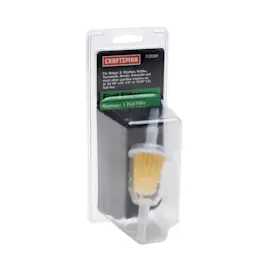
| Hard starting or poor running | Water in fuel | Drain/refill with fresh gasoline; replace fuel filter |
| Misfire | Spark plug wire loose | Reconnect and tighten plug wire |
| Overheating or power loss | Dirty air screen/fins | Clean air screen and cooling fins |
| Stalling | Dirty/clogged muffler | Inspect and clean or replace muffler |
Why it matters
Engine identification is the difference between ordering the right spark plug, air filter, and fuel parts the first time versus getting a close match that does not fit. On riding mowers, the tractor model (917289261) narrows the platform, but the engine label confirms the exact engine build.
Last updated: February 2026
What year is my Craftsman mower serial number lookup?
For Craftsman riding tractors like model 917289261, the model number does not contain the build year. To identify the year, we use the product identification label (model and serial) and then confirm the date format shown in the 917289261 owner's manual.
Where to find the serial number
On most Craftsman YT4000-style tractors, the product ID label is typically located:
- Under the seat pan (lift the seat)
- On the rear fender pan near the seat
- On the frame rail near the engine compartment
- Near the transaxle area on the frame
Write down the full serial number exactly as printed, including any letters.
How Craftsman serial numbers usually map to a date
Craftsman serial formats vary by manufacturer and production run. A common format you will see is a 6-digit date code embedded in the serial number:
- MM = month
- DD = day
- YY = year
Example
| Code | Interprets as | Build date |
|---|---|---|
| 072811 | MM-DD-YY | July 28, 2011 |
If your serial includes more characters, look for a 6-digit block that matches a valid month (01-12) and day (01-31).
Quick checks to avoid a wrong year
- If the first two digits are greater than 12, that block is not a month.
- If the day portion is 00 or greater than 31, use a different 6-digit block.
- If the serial has letters, they often indicate plant or line, not the date.
Why it matters
Getting the correct year helps us match the right parts and diagrams for your 42-inch deck and drive system, especially for wear items like blades, belts, and mandrel components.
Last updated: February 2026
What brand engine does Craftsman use?
Craftsman riding mowers and lawn tractors can use engines from several manufacturers, depending on the specific tractor and production run. For the Craftsman model 917289261 (YT4000 series), the operator’s literature identifies it as a 24.0 HP low-emissions engine, and the exact engine maker is best confirmed by matching the engine model/type code shown on the engine itself to the listings in the 917289261 owner's manual.
How to identify the engine brand on your 917289261
Use the engine’s ID label, not the hood decal. On most riding mower engines, you’ll find a sticker or stamped tag:
- On the blower housing (top/front of the engine)
- Near the valve cover
- On the engine shroud by the starter
- Sometimes on the muffler heat shield area
Write down the engine model and type/spec numbers; those codes tell you whether it is Briggs & Stratton, Kohler, Kawasaki, or another supplier.
Common engine brands used on Craftsman tractors
Across Craftsman lawn tractors, these are the most common engine suppliers you’ll see:
- Briggs & Stratton (very common on many Craftsman riders)
- Kohler (common on some higher-output configurations)
- Kawasaki (less common, typically on select models)
Quick comparison
| What you need | Where to look | What it tells you |
|---|---|---|
| Engine model/type code | Engine label/tag | Exact manufacturer and parts lookup path |
| Tractor model number 917289261 | Frame tag under seat or rear fender area | Correct tractor parts diagrams and adjustments |
| Horsepower rating (24.0 HP) | Manual/spec page | General performance class, not the engine maker |
Why it matters
Engine brand affects the correct tune-up parts (spark plug, air filter, fuel filter), service specs, and troubleshooting steps. Using the engine’s model/type code prevents ordering the wrong maintenance parts even when the tractor model is correct.
Last updated: February 2026
How much does it cost to replace a riding mower engine?
Replacing the engine on a Craftsman riding mower like model 917289261 is typically a $800 to $2,500 job in total (engine plus labor), with costs driven by engine type, whether you reuse pulleys and wiring, and how much teardown is required. For model-specific procedures and safety steps, use the 917289261 owner's manual.
Typical cost breakdown (engine + labor)
These ranges fit most front-engine lawn tractors and YT4000-style riders.
- Engine (new replacement): $500 to $1,800
- Labor (shop install): $300 to $900
- Pickup/delivery (if needed): $50 to $200
- Fluids, filters, belts, hardware: $25 to $200
| Scenario | What you’re paying for | Typical total |
|---|---|---|
| DIY swap | Engine + basic tune-up parts | $500 to $2,000 |
| Shop swap | Engine + labor + setup | $900 to $2,500 |
| “While you’re in there” refresh | Engine + belts, pulleys, battery, fuel parts | $1,100 to $3,000 |
What usually increases the price
Engine replacement often turns into a “system” repair. These are the most common add-ons we see:
- Worn drive belt or deck belt that should be replaced during reassembly
- Electrical issues (corroded terminals, damaged wiring, weak battery)
- Fuel system cleanup after stale gas (the manual notes fuel is best used within about 30 days)
- Deck vibration problems that show up once the tractor is running again (bent mandrel, worn blade hardware)
- Safety interlock problems (seat switch, reverse operation system behavior)
Parts that are commonly replaced at the same time
If your tractor has deck noise or poor cut quality, it is smart to inspect the deck hardware while the tractor is down.
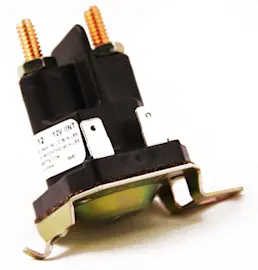
- Lawn tractor starter solenoid 582042802 if you have click-no-start symptoms
- Husqvarna lawn tractor drive belt 532125907 if the tractor slips or won’t move consistently
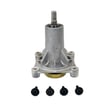
- Lawn tractor mandrel housing 587819701 if a mandrel is noisy, loose, or wobbling
Why it matters
A new engine only performs as well as the fuel, electrical, and drive systems supporting it. Addressing stale fuel, wiring condition, and belt wear during the swap helps prevent hard starting, stalling, and premature belt failures.
Last updated: February 2026
What are the parts of a tractor engine?
On the Craftsman 917289261 front-engine lawn tractor, the engine is built from core internal parts (like pistons and a crankshaft) plus supporting systems (fuel, ignition, lubrication, cooling, and exhaust) that make it start, run smoothly, and deliver power safely. For diagrams and service points, use the 917289261 owner's manual.
Main tractor engine parts (what they do)
- Cylinder block and cylinder head: the main structure; forms the combustion chamber.
- Pistons, piston rings, and connecting rods: convert combustion pressure into motion.
- Crankshaft and bearings: turn piston motion into rotating power.
- Valves, valve guides, and valve train: control air-fuel intake and exhaust flow.
- Gaskets and seals: prevent oil, compression, and fuel leaks.
- Lubrication system (oil pump, oil passages, filter if equipped): reduces wear and heat.
- Fuel system (fuel tank, fuel line, carburetor): stores and meters fuel.
- Ignition system (key switch, safety interlocks, starter circuit): starts and keeps the engine running.
- Exhaust system (muffler, spark arrester if equipped): routes exhaust and reduces noise.
How engine systems relate to common tractor symptoms
| Symptom | Most likely engine-related areas to check | What to do first |
|---|---|---|
| Won’t crank | Battery, wiring, starter circuit, solenoid | Check battery connections; inspect wiring |
| Cranks but won’t start | Fuel delivery, choke/throttle setting, ignition | Verify fresh fuel; confirm choke/throttle position |
| Runs rough or stalls | Fuel contamination, carburetor, air restriction | Drain old fuel; replace with fresh fuel |
| Loses power under load | Fuel flow, blade/deck load, belt condition | Reduce load; inspect deck and belts |
Model-specific tips from the manual (fuel and safe operation)
- Use the correct throttle/choke control and ignition switch sequence for starting.
- For storage, prevent fuel-system gumming by running the engine until fuel lines and carburetor are empty.
- Avoid alcohol-blended fuel storage issues; use fresh fuel next season.
- Operate safely on slopes; avoid coasting downhill in neutral.
Parts you may replace that support engine operation
These are not internal engine parts, but they commonly affect starting and running:
- Fuel tank 599306005 (fuel storage and supply)
- Lawn tractor starter solenoid 582042802 (starter engagement)
- Husqvarna lawn tractor ignition harness 532401098 (key switch and ignition circuit wiring)
Why it matters
Knowing which system a part belongs to helps you troubleshoot faster. For example, a no-start after storage is often fuel-system related, while a no-crank is usually electrical (battery, solenoid, harness, or safety switches).
Last updated: February 2026
Is it better to sharpen a lawn mower blade or buy a new one?
For the Craftsman 917289261 lawn tractor, it’s usually better to sharpen the mower blades as routine maintenance, and replace them when they’re worn, bent, cracked, or badly nicked. The manual calls for sharp blades for best results and says to replace damaged blades with manufacturer-approved replacements.
When sharpening is the better choice
Sharpening makes sense when the blade is structurally sound and you just have a dull cutting edge.
- The blade is straight (no bends or twists)
- No cracks around the center hole or along the lift wings
- Only minor nicks from normal mowing
- You can restore a clean edge without removing excessive metal
- You can balance the blade after sharpening
Quick rule of thumb
If you can sharpen and balance the blade without changing its shape, sharpening is the right move.
When you should buy a new blade
Replacement is the safer, better option when the blade is damaged or too worn to sharpen correctly.
- Blade is bent or has visible cracks
- The cutting edge is severely rounded or chipped
- The blade has been sharpened many times and is noticeably thinner
- The center hole or mounting area is wallowed out
- You hit a solid object and the blade is deformed (inspect before restarting)
The Craftsman manual also specifies using only manufacturer-approved replacement blades to avoid damage and safety issues. See the 917289261 owner's manual for blade care, removal, and torque guidance.
Blade options for this 42-in deck (examples)
These are common replacement choices listed for this model; pick the style that matches how you mow.
| Blade type | Best for | Example part on this model page |
|---|---|---|
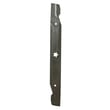
| High-lift blade | Bagging, strong discharge | Lawn tractor 42-in deck high-lift blade 532138971 |
| Mulching blade | Mulching, finer clippings | Husqvarna lawn tractor mulching blade, 21-in 532134149 |
| 3-in-1 blade | Mulch, bag, or side discharge | 3-in-1 blade, 42-in 532422719 |
Why it matters
A sharp, properly installed blade gives a cleaner cut (less tearing), helps the deck discharge evenly, and reduces strain on the mandrel and belt system. The manual also notes correct installation details like aligning the blade center hole with the star on the mandrel and tightening the blade bolt to the specified torque.
Last updated: February 2026
Are all Craftsman mower blades the same?
No. Craftsman mower blades are not all the same; they vary by deck size, center hole and mounting pattern, blade length, and blade style (high-lift, mulching, or combination). For Craftsman model 917289261, using the blade type listed in the 917289261 owner's manual helps protect cut quality and prevents vibration or belt and spindle wear.
What’s different between blade types?
Different blade designs move grass differently, so the “right” blade depends on how you mow and whether you bag, side-discharge, or mulch.
- High-lift blades: create strong airflow for bagging and cleaner pickup
- Mulching blades: recut clippings for finer mulch; best with a mulching setup
- 3-in-1 blades: a versatile option for mulching, bagging, or side discharge
- Length and mounting: must match your deck and mandrel pattern exactly
- Condition matters: bent, worn, or loose blades cause poor cut and vibration
Blade fit checklist for model 917289261
Use this quick check before ordering or installing blades.
| What to match | Why it matters | What to do |
|---|---|---|
| Deck size (often 42-in on tractors like this) | Wrong length can hit the deck or cut unevenly | Confirm deck size in the manual and on the deck tag |
| Mounting hole pattern | Prevents wobble and spindle damage | Compare the old blade to the replacement |
| Blade style (lift/mulch/3-in-1) | Affects airflow, clipping size, and bagging | Choose based on your mowing setup |
| Installation direction | Backwards blades cut poorly | Install with the sharp edge oriented correctly |
Common blade-related problems (and what fixes them)
The manual’s troubleshooting guidance ties poor cutting to blade issues such as worn or improper blades and grass buildup under the deck.
- Clean packed grass from the underside of the mower deck
- Tighten blade hardware and replace blades that are bent or badly worn
- Reinstall blades correctly if they were mounted improperly
- Use blades listed for the tractor in the manual
- Keep vent areas around mandrels clear of debris
Why it matters
Using the correct blade for your Craftsman tractor improves cut quality and reduces stress on the deck drive system (belt, mandrels, and pulleys). It also helps prevent vibration that can loosen fasteners over time.
If you want a known match for this model’s 42-in deck options, examples include a high-lift blade like lawn tractor 42-in deck high-lift blade 532138971 or a combination option like 3-in-1 blade, 42-in 532422719.
Last updated: February 2026
Do I want high lift or mulching blades?
For your Craftsman 917289261 (YT4000) tractor, choose high-lift blades when you bag or need maximum discharge, and choose mulching blades when you want to finely chop clippings and return them to the lawn. The best choice depends on whether you prioritize cleanup (bagging) or nutrient recycling (mulching).
Quick pick guide (based on how you mow)
- Bagging leaves or heavy spring growth: high-lift blade
- Side-discharge and you want strong throw: high-lift blade
- Mulch plug installed and you want no clumps: mulching blade
- Dry, normal weekly mowing: mulching blade
- Damp grass or overgrown grass: high-lift blade (then mow again at a normal height)
Blade options for this model
Here are common blade styles available for the 42-inch deck used on this tractor.
| Goal | Blade type | Example part for 917289261 | What you will notice |
|---|---|---|---|
| Strong airflow for bagging/discharge | High-lift | Lawn tractor 42-in deck high-lift blade 532138971 | Cleaner pickup, more blowout, can be louder |
| Finest clipping size for lawn feeding | Mulching | Husqvarna lawn tractor mulching blade, 21-in 532134149 | Smaller clippings, less visible debris, can struggle in tall/wet grass |
Setup tips that matter as much as blade choice
The manual guidance below improves cut quality and reduces clumping regardless of blade style.
- Set cutting height with the lift lever; the range is about 1 to 4 inches.
- For most lawns, we aim around 2-1/2 inches in cool seasons and over 3 inches in hot months.
- If grass is over 6 inches, mow twice (first pass higher, second pass to finish height).
- Keep blades sharp; replace bent or damaged blades.
- Install blades with the stamped “GRASS SIDE” facing the ground and align the center hole with the star on the mandrel.
- Tighten the blade bolt to 45 to 55 ft-lbs.
For the full procedure and deck setup details, use the 917289261 owner's manual.
Why it matters
Blade style changes airflow under the deck. High-lift blades create more vacuum for lifting grass into the bagger or discharge chute; mulching blades recut clippings more times so they break down faster and feed the lawn.
Last updated: February 2026
What size blade is a Craftsman yt4000?
For Craftsman YT4000 tractor model 917289261, the mower is a 42-inch cutting deck. On 42-inch decks, the most common setup is two 21-inch blades, but the sure way to match the correct blade is to confirm the blade style and center-hole pattern shown in the 917289261 owner's manual.
What to match when buying blades
Blade length is only one part of fit. Use these checks so the blade mounts correctly and cuts cleanly:
- Confirm the deck is 42-inch (decks can be swapped over time)
- Match the center hole pattern to the mandrel star pattern
- Choose the blade type that fits your mowing goal (mulching, high-lift, 3-in-1)
- Replace blades in pairs on a 42-inch deck for balanced cutting
- Tighten the blade bolt to the specified torque listed in the manual
Common blade choices for a 42-inch deck
These are manufacturer-approved blade options commonly used on 42-inch Craftsman style decks; pick the type that matches your setup:
| Blade type | Best for | Example part |
|---|---|---|
| Mulching | Finer clippings, no bagging | Husqvarna lawn tractor mulching blade, 21-in 532134149 |
| High-lift | Strong discharge, better bagging | Lawn tractor 42-in deck high-lift blade 532138971 |
| 3-in-1 | Versatile (bag, mulch, discharge) | 3-in-1 blade, 42-in 532422719 |
Installation details that affect cut quality
The manual’s blade section highlights a few points that prevent vibration and poor cutting:
- Install the blade with the stamped “GRASS SIDE” facing the ground
- Make sure the blade center hole aligns with the star on the mandrel assembly
- Use gloves and block the blade when loosening or tightening the blade bolt
Why it matters
Using the correct blade length and, just as important, the correct center-hole pattern keeps the blades seated on the mandrel, reduces vibration, and helps your Craftsman 917289261 cut evenly.
Last updated: February 2026