Owner’s manual


What size is the Kenmore washer model 796?
For Kenmore washer model 79640272900, the cabinet width is 27 inches. This model’s published specifications also list overall dimensions of 27 in (W) x 29 3/4 in (D) x 38 11/16 in (H); we recommend confirming fit and clearances using the 79640272900 use & care manual.
Model-specific dimensions (79640272900)
From the specifications for this exact model:
- Width: 27 in
- Depth: 29 3/4 in (51 1/8 in with door open)
- Height: 38 11/16 in
- Power: 120 VAC, 60 Hz
| Measurement | Size |
|---|---|
| Width | 27 in |
| Depth (door closed) | 29 3/4 in |
| Depth (door open) | 51 1/8 in |
| Height | 38 11/16 in |
What “size” can mean for Kenmore 796 washers
“Size” is often used in two different ways:
- Physical size (width/depth/height) for installation
- Capacity (cubic feet) for how much laundry it holds
- Door swing clearance (extra space needed in front)
- Washer type (this model is a front-load design)
For 79640272900, we can confirm the physical dimensions from the model’s documentation. The tub capacity in cubic feet isn’t specified in the model documentation provided here, so we recommend using the manual and the model’s rating label details when comparing capacity across similar Kenmore front-load washers.
Why it matters
Correct dimensions help prevent common installation problems like a door that can’t open fully, kinked water hoses, or a drain hose that sits too high. Planning for clearance also helps reduce vibration and noise during high-speed spin.
Last updated: January 2026
How to tell if a washer impeller is bad?
On the Kenmore 79640272900 (a front-load washer), there isn’t a wash-plate “impeller” like many top-load models use. If you’re hearing grinding, getting an LE-type motor issue, or the drum won’t tumble, we focus on the direct-drive motor system and drain pump checks in the 79640272900 use & care manual.
What people mean by “impeller” (and what to check on this model)
Front-load washers like the 79640272900 tumble the drum using a direct-drive motor (rotor/stator) rather than an impeller. Common “impeller-like” symptoms usually point to one of these areas:
- Drum won’t tumble but the washer fills and drains
- Loud rubbing/grinding during tumble or spin
- Intermittent tumble, then stops and may show a motor-related error
- Burning smell or repeated shutdowns during agitation/spin
- Washer drains poorly and leaves clothes wet (can be mistaken for a drive problem)
Quick checks we recommend (safe, no disassembly)
- Run a Drain & Spin and listen: a strong drain sound suggests the pump is working; a weak hum/gurgle with no drain suggests a restriction.
- Check the drain pump filter for coins, lint, and debris.
- Try a small load: an overloaded or badly unbalanced load can mimic drive issues.
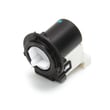
If draining is weak or noisy, inspect the drain system first; the compatible pump for this model is the laundry appliance drain pump 4681EA2001T.
Symptom-to-likely-cause guide
| What you notice | More likely cause on 79640272900 | Where to look next |
|---|---|---|
| Won’t tumble, drains OK | Motor drive components | Rotor/stator, sensor, wiring |
| Tumbles but won’t drain | Drain restriction or pump issue | Filter, hoses, pump |
| Grinding in spin | Bearing or rotor rubbing | Rear bearing/rotor area |
| Stops mid-cycle with motor error | Motor overheating or sensor issue | Motor cooling, sensor, harness |
Why it matters
Mislabeling a front-load drive problem as a bad “impeller” can lead to replacing the wrong part. On the 79640272900, verifying drain performance and motor drive behavior first saves time and prevents repeat failures.
Last updated: January 2026
What is the life expectancy of a Kenmore washer?
Most Kenmore washers, including model 79640272900, typically last about 10 to 12 years with normal household use. Actual life can be shorter or longer depending on load size, detergent choice (HE), installation/leveling, and how consistently routine cleaning is done (see the 79640272900 use & care manual).
What affects lifespan the most
- Installation and leveling: an unlevel washer vibrates more and wears bearings, shocks, and mounts faster.
- Detergent and suds control: using HE detergent and the right amount helps prevent residue, odors, and drain issues.
- Drain system care: cleaning the drain pump filter reduces strain on the pump and helps prevent no-drain problems.
- Load habits: chronic overloading and frequent unbalanced loads shorten component life.
- Moisture management: wiping the door seal and leaving the door ajar helps prevent mildew and seal damage.
Quick maintenance routine (good for this model)
- Run the Clean Washer cycle about monthly.
- Wipe the door seal and glass regularly, especially under the fold.
- Check and clean the drain pump filter if draining slows or you hear gurgling at the end of cycles.
- Inspect inlet hoses and clean inlet screens if fill is slow.
Common “end-of-life” symptoms vs. repairable issues
| Symptom | Often means | Usually worth checking first |
|---|---|---|
| Loud rumble in spin | Bearing wear | Leveling, load balance, shipping bolt history |
| Won’t drain | Drain restriction or pump issue | Filter, hose, then pump |
| Door won’t lock/unlock | Door lock issue | Door alignment, lock assembly |
| Musty odor | Residue/mildew | Clean Washer cycle, seal cleaning |
If your 79640272900 won’t drain and the filter is clear, the drain pump is a common wear item; we often see customers replace the laundry appliance drain pump 4681EA2001T to restore normal draining.
Why it matters
Knowing the typical 10 to 12 year lifespan helps you decide whether to invest in a repair (like a pump or door boot) or plan for replacement, especially if multiple major components are showing wear.
Last updated: January 2026