Owner’s manual


What does F-01 mean on a whirlpool dryer?
On a Whirlpool WGD6400SW1 dryer, the F-01 code points to a problem with the electronic control board (main control). In most cases, the fix is checking wiring connections to the control first; if connections are good, the control typically needs replacement (see the WGD6400SW1 owner's manual).
- Unplug the dryer (or switch off the breaker) for 2 minutes, then restore power and retry.
- If the code returns, unplug the dryer again before accessing internal parts.
- Check that the console and control area are dry and free of lint buildup.
- Reseat the wire harness plugs at the control board (a photo before unplugging helps).
- Inspect harness connectors for loose pins, corrosion, or heat discoloration.
- If the dryer runs briefly then stops with F-01, focus on the control and its connections.
| Likely cause | What you may notice | Typical next step |
|---|---|---|
| Loose/oxidized control connection | Intermittent F-01, starts then quits | Reseat and inspect connectors |
| Failed electronic control board | F-01 returns immediately after reset | Replace the main control |
| Wiring harness issue | Code appears when the console is bumped or door is closed | Repair/replace damaged wiring |
F-01 is a control-related code, but these parts can contribute to confusing symptoms (no heat, short cycling) that get blamed on the control:
- Dryer wire harness 8539889 (if connectors or wiring are damaged)
- Dryer thermistor WP8577274 (temperature sensing issues can cause abnormal operation)
- Dryer high-limit thermostat W11050897 (overheat protection trips from airflow problems)
When the control cannot reliably read inputs or drive outputs, the dryer can stop mid-cycle, fail to start, or behave unpredictably. Addressing F-01 quickly helps prevent repeated shutdowns and reduces the chance of overheating from poor airflow.
Last updated: February 2026
What are the common problems with whirlpool dryers?
Common Whirlpool dryer problems (including model WGD6400SW1) are no-start, no-heat, long dry times, and noisy or non-tumbling operation. Most issues trace to airflow restrictions (lint and venting), a failed heat system component, or worn drum support parts; our WGD6400SW1 owner's manual covers key checks.
- Dryer takes too long to dry: lint screen clogged, exhaust vent or outside hood restricted
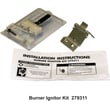
- Dryer runs but won’t heat (gas): weak gas valve coils, failed igniter, bad radiant sensor, or a safety thermostat opened
- Dryer won’t start: power supply issue, door not latching, or a control/setting problem
- Dryer tumbles but is loud: worn drum support rollers, idler, or belt components
- Clothes overdry or underdry: cycle selection or sensor-related temperature control issues
- Clean the lint screen before every load.
- Confirm strong airflow at the outside vent hood while the dryer runs.
- Check the vent path for crushing, kinks, or heavy lint buildup (a full vent cleaning at least every 2 years is a solid baseline).
- Use the right cycle for the load; timed cycles can be adjusted for time and temperature.
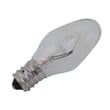
- If the drum light is out, replace the bulb so you can inspect the drum and baffles easily.
| Symptom | Common part area | Example part for this model |
|---|---|---|
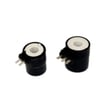
| No heat or heat cuts out | Gas ignition and flame sensing | Dryer valve coil kit 279834 |
| Loud thumping or squealing | Drum support and drive wear items | Dryer repair kit 4392065 |
| Poor drying performance | Airflow and lint sealing | Dryer lint chute seal W11415783 |
Long dry times and no-heat complaints are often airflow-related; restricted venting makes the dryer run hotter, cycle longer, and can trip safety thermostats. Fixing airflow first prevents repeat failures and improves drying efficiency.
Last updated: February 2026
How do you know if a thermal fuse is blown on a whirlpool dryer?
On a Whirlpool dryer like model WGD6400SW1, a blown thermal fuse commonly shows up as a dryer that will not start, or a dryer that runs but has no heat. The sure way to know is a continuity test with a multimeter; a good fuse reads closed (near 0 ohms).
- Confirm the dryer has power and the door is fully closed and latched
- Clean the lint screen (the manual notes it should be cleaned before each load)
- Check the exhaust vent and outside hood for lint blockage (the manual recommends cleaning the vent at least every 2 years)
- If drying times are long, address airflow first; restricted venting is a common reason safety devices open
- Let the dryer cool down before handling internal parts
- Unplug the dryer (and shut off the gas supply if you are accessing internal components).
- Access the thermal fuse (location varies by design; use the WGD6400SW1 owner's manual for access guidance and safety notes).
- Remove at least one wire from the fuse terminal.
- Set your multimeter to continuity or the lowest ohms setting.
- Touch a probe to each terminal.
| Meter result | What it indicates | What to do next |
|---|---|---|
| Beep or ~0 to 1 ohm | Fuse is good | Keep troubleshooting heat or start circuit |
| No beep or OL/infinite | Fuse is blown (open) | Replace the fuse and correct the airflow problem |
The thermal fuse is a one-time safety device designed to open if the dryer overheats. On gas dryers, overheating is often tied to poor airflow from a clogged lint screen, blocked vent, crushed duct, or a failing blower wheel.
If you are correcting the root cause, these model-compatible parts are commonly checked:
- Dryer blower wheel WP694089 (damaged wheel reduces airflow)
- Dryer lint chute seal W11415783 (leaks can reduce effective airflow)
- Venting materials and the outside hood (not a dryer part, but critical)
Last updated: February 2026
What is the life expectancy of a Whirlpool Cabrio dryer?
A Whirlpool Cabrio dryer like model WGD6400SW1 typically lasts about 10 years with normal household use. With consistent vent cleaning, proper loading, and timely replacement of wear parts (rollers, belt, seals), it commonly reaches 12 to 15 years.
- Airflow and venting: restricted venting forces longer run times and higher heat
- Load size: frequent overloading strains the drive system and drum supports
- Heat system health (gas models): ignition and flame sensing issues cause cycling stress
- Routine cleaning: lint buildup increases heat and wear
- Wear parts condition: rollers, belt, and seals gradually degrade with use
| Task | How often | Why it matters |
|---|---|---|
| Clean lint screen | Every load | Keeps airflow strong and drying times normal |
| Check outside vent hood flap | Monthly | Confirms air is exhausting properly |
| Clean full vent duct run | Every 2 years | Prevents long dry times and overheating |
| Inspect drum support/drive wear | Yearly | Catches noise and vibration before damage spreads |
If your WGD6400SW1 starts squealing, thumping, or taking longer to dry, these model-matched parts are common fixes:
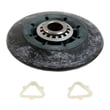
- Support WPW10314173 (drum support roller style wear item)
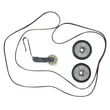
- Dryer repair kit 4392065 (common wear-item kit for drive and drum support components)
- Dryer blower wheel WP694089 (restores airflow if the wheel is cracked or slipping)
- Dryer lint chute seal W11415783 (helps prevent lint leaks and airflow loss)
A dryer that runs with poor airflow or worn drum support parts works harder every cycle. That increases heat exposure, lengthens dry times, and accelerates wear on the motor, blower, and gas ignition components.
For model-specific use and care tips (including airflow and drying performance guidance), follow the WGD6400SW1 owner's manual.
Last updated: February 2026