Owner’s manual
 Error Codes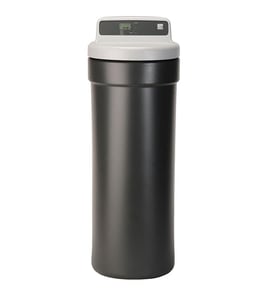



What water softeners do plumbers recommend?
Plumbers typically recommend water softeners that use proven control valves, have readily available replacement parts, and can be sized correctly for your home’s hardness and water use. If you already own a Kenmore 6253485400, keeping it properly set up and maintained often delivers the same reliability plumbers look for; see the owner's manual for model-specific setup and care.
- Correct sizing for your grains-per-gallon hardness and household water usage
- A dependable regeneration control (timer or demand-initiated)
- Easy-to-service valve components (seals, rotor/disc, nozzle and venturi)
- Good parts availability for long-term maintenance
- Straightforward bypass and plumbing connections
Use these criteria to narrow options, whether you are replacing a unit or evaluating your current Kenmore system:
- Test water hardness and iron (if present) before sizing
- Confirm flow rate needs (multiple showers, tubs, irrigation, etc.)
- Verify installation location and drain access
- Choose pellet or nugget salt (avoid rock salt that can cause problems)
- Plan for periodic cleaning and disinfecting when needed
| What plumbers prioritize | What to check on your 6253485400 |
|---|---|
| Consistent soft water | Confirm salt type and level; break up salt bridges if they form |
| Reliable regeneration | Verify time-of-day and recharge settings in the manual |
| Serviceable valve parts | Common wear items include seals and the nozzle/venturi |
| Clear troubleshooting | Use the model’s error-code guidance and service steps |
A “recommended” softener is usually one that is correctly sized and maintained. Even a top-tier unit will deliver hard water if the salt bridges, the nozzle and venturi plugs with debris, or settings are off.
Last updated: January 2026
What does a plumber charge to install a water softener?
For a Kenmore water softener like model 6253485400, plumbers typically charge about $300 to $1,000 for labor to install the unit; the total installed cost is often higher once you include fittings, drain routing, and any plumbing changes. Use the 6253485400 owner's manual to confirm the required connections and startup checks.
- Existing bypass and shutoff valves: pre-plumbed loops cost less than cutting into copper/PEX.
- Drain access: adding or extending a drain line for regeneration discharge can add labor.
- Electrical outlet: the softener uses a transformer plugged into a standard 120V outlet (the unit runs on 24V), so adding an outlet increases cost.
- Water pressure and flow: correcting low pressure, clogged piping, or undersized lines adds time.
- Water heater restart and setup: installers often include basic startup and programming.
| Installation situation | Typical labor range | Notes |
|---|---|---|
| Straightforward replacement (existing softener loop) | $300 to $600 | Usually fastest; minimal pipe work |
| New install with moderate plumbing and drain routing | $600 to $1,000 | Common for first-time installs |
| Complex install (relocation, new drain, significant re-pipe) | $1,000+ | Varies widely by scope |
- Verify the house water flow goes into the valve inlet and the bypass is set to SERVICE after installation.
- Plan a drain hose route with no sharp bends or kinks; a restricted drain can cause regeneration problems.
- Confirm you have an indoor 120V outlet for the transformer and keep the power cord protected.
- Identify whether you need small hardware such as a water softener ferrule nut 1202600 for your plumbing connection style.
A correct install protects your plumbing, prevents leaks, and ensures the softener can regenerate properly. Drain routing, bypass setup, and power connection are the most common details that affect both performance and labor cost.
Last updated: January 2026
What is the average life expectancy of a water softener?
Most residential water softeners last 10 to 15 years. For the Kenmore 6253485400, regular maintenance (keeping salt in the brine tank, preventing salt bridging, and cleaning key water-path components) helps you reach the upper end of that range; see the 6253485400 owner's manual for model-specific care and operating details.
A water softener’s life is mainly driven by water conditions and how hard the unit has to work.
- Water hardness and daily usage: harder water and higher gallons used shorten life.
- Iron content: iron can foul resin and internal valve parts faster.
- Salt practices: humid conditions can increase salt bridging; refilling more often helps.
- Maintenance and cleaning: keeping the nozzle/venturi area clean supports proper brining.
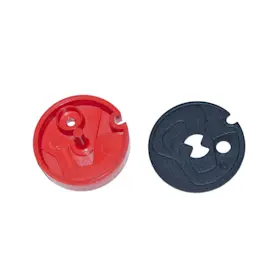
- Part wear in the valve: seals, rotor/disc, and switches wear over time.
If your Kenmore 6253485400 is near the 10 to 15 year mark, use this to decide what makes sense.
| What you’re seeing | Most likely area | Common next step |
|---|---|---|
| Soft water comes and goes | Brine draw or venturi/nozzle restriction | Clean or replace the nozzle/venturi parts |
| Leaks at the valve area | Valve seals | Replace seals and inspect valve surfaces |
| Unit stalls during regeneration | Position sensing or drive/valve timing | Check switch and drive components |
| Frequent loss of capacity | Resin condition or settings | Verify hardness settings; consider resin service |
When performance issues point to the control valve, these model-compatible parts are often involved:
- Kenmore water softener seal kit 7129716 (helps address internal bypassing and valve leaks)
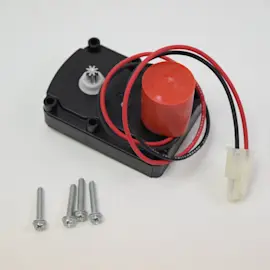
- Waterworks water softener rotor position switch 7030713 (helps the unit index correctly during cycles)
- Nozzle kit 7187772 (supports proper brine draw and regeneration)
A softener that is near end-of-life can waste salt and water, regenerate too often, or fail to remove hardness consistently. Keeping the unit maintained and addressing valve wear early helps protect plumbing, water heaters, and fixtures from scale.
Last updated: January 2026
Is it worth repairing a water softener?
Yes, repairing a Kenmore water softener model 6253485400 is usually worth it when the problem is isolated (leak at the valve, poor brine draw, or a control issue) and the unit is otherwise in good condition. For this model, the 6253485400 owner's manual includes troubleshooting steps and warranty coverage details that help you decide quickly.
- Repair when the softener still regenerates, but performance is inconsistent (hard water returns intermittently).
- Repair when you have a specific, replaceable failure such as worn seals, a stuck rotor, or a failed position switch.
- Repair when the issue is maintenance-related (salt bridge, dirty nozzle/venturi, incorrect time setting).
- Replace when the resin tank or brine tank is physically damaged, badly contaminated, or the unit has repeated major failures.
- Replace when multiple high-cost components are failing at the same time.
These are typical “high impact” fixes that restore soft water without replacing the whole system:
- Replace worn valve seals using the Kenmore water softener seal kit 7129716.
- Fix regeneration and indexing problems by replacing the waterworks water softener rotor position switch 7030713.
- Restore brine draw by cleaning or replacing the nozzle/venturi (often tied to the nozzle kit 7187772).
- Address metering issues (softener not “counting” water correctly) by inspecting the turbine.
| Situation | Repair usually makes sense | Replace usually makes sense |
|---|---|---|
| Water is hard but unit powers on | Yes, start with diagnostics and valve/brine checks | Only if repeated failures continue |
| Visible leak | Yes, if it is a valve seal or fitting leak | Yes, if the tank or brine drum is leaking |
| Electronics issue | Yes, if isolated and parts are available | Yes, if multiple electronic parts are failing |
| Frequent breakdowns | Sometimes, if one root cause is found | Yes, if failures are recurring and costly |
A working softener protects plumbing and water-using appliances from scale buildup, and it reduces soap usage. On model 6253485400, many “no soft water” complaints trace back to valve sealing, brine draw, or timer settings, which are typically repairable.
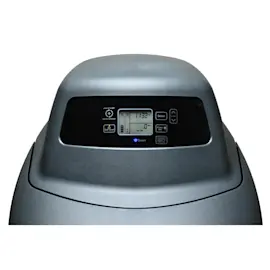
Use the initial checks in the 6253485400 owner's manual first: confirm the display shows the correct time, verify the bypass valve is in Full Service, and look for any error code on the faceplate. If an error code is present, follow the diagnostic guidance before replacing parts.
Last updated: January 2026