Installation guide
 Owner’s manual
 Error Codes


Is there such a thing as a gas dryer?
Yes. The GE GTD75GCPL0DG is a gas dryer model; it uses natural gas for heat and still plugs into a standard 120V grounded outlet to run the motor, controls, and ignition system. See the GTD75GCPL0DG installation guide for gas hookup and clearance requirements.
How gas dryers work (vs. electric)
A gas dryer burns natural gas (or LP after a proper conversion) to heat the air, then a blower moves that heated air through the drum and out the vent.
- Gas provides the heat source; electricity powers the drum motor, timer/control, and igniter
- Gas dryers must be vented outdoors for safe operation
- You need a gas supply connection plus a 120V outlet
- Installation clearances matter, especially behind the dryer where the exhaust duct exits
What you need to install a gas dryer
For GE GTD75GCPL0DG, plan for these basics:
- A shutoff valve on the gas line and a proper flexible gas connector
- A 120V, 60Hz grounded outlet on a 15 or 20 amp circuit
- Outdoor venting with correct ducting and enough rear clearance for the vent path
- Leak testing with a soapy solution (never an open flame)
Quick comparison
| Feature | Gas dryer | Electric dryer |
|---|---|---|
| Heat source | Natural gas (or LP with conversion) | Electric heating element |
| Electrical needs | 120V outlet | Typically 240V outlet |
| Installation needs | Gas line + venting | Higher-voltage outlet + venting |
LP (propane) note for this model
This GE gas dryer is set up for natural gas from the factory. Converting to LP requires the correct conversion kit and must be done by properly trained, qualified personnel following local codes (details are in the GTD75GCPL0DG installation guide).
Why it matters
Choosing gas vs. electric affects what hookups you need (gas line vs. 240V outlet), how you plan the install space, and what troubleshooting steps apply if the dryer will not heat.
Last updated: January 2026
What are the most common issues with GTD75GCPL0DG?
The most common issues we see with the GE GTD75GCPL0DG dryer are no heat or weak heat, long dry times from airflow restrictions, not starting, loud squealing or thumping noises, and the drum not turning. Many of these problems trace back to wear parts, venting, or a failed sensor or switch.
Common symptoms and what usually causes them
- No heat or not enough heat (gas dryer): burner ignition problems, temperature sensing issues, or a safety thermostat opening
- Takes too long to dry: clogged lint screen or lint chute, crushed vent hose, blocked exterior vent hood, or a weak blower wheel
- Won’t start: door not closing fully, failed door switch, or control issue
- Squealing, scraping, or thumping: worn belt, idler pulley, drum glides, or felt seal
- Drum won’t tumble: broken belt, seized idler, or motor problem
Quick checks we recommend first
- Clean the lint screen every load; inspect for fabric softener residue.
- Confirm strong airflow outside while running; weak airflow points to a vent restriction.
- Make sure the door closes firmly and the latch engages.
- Listen for a steady motor hum with no drum movement (often belt or idler related).
- If heat is inconsistent, check for overheating signs (very hot cabinet, burning smell) and stop the cycle.
Parts that commonly fix these issues on GTD75GCPL0DG
| Symptom | Likely wear item | Example part on this model |
|---|---|---|
| Drum not turning, slapping noise | Belt | Dryer drum belt WE03X29897 |
| Squealing or grinding | Idler pulley | Dryer idler pulley WE03X31620 |
| Scraping at front of drum | Drum glide/bearing | Dryer drum glide bearing, upper WE03X37320 |
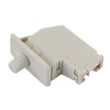
| Dryer won’t start when door shuts | Door switch | Dryer door switch WE04X28977 |
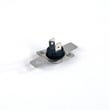
| No heat or cycling heat | Thermostat/thermistor | Dryer high-limit thermostat WE04X26138 |
Why it matters
Dryer problems often start small (slower drying, a new squeal) and quickly turn into bigger failures like a broken belt, damaged drum support, or overheating from restricted venting. Catching the symptom early protects the dryer and helps clothes dry safely and efficiently.
Helpful references
- Use the owner's manual for model-specific operating tips, venting guidance, and troubleshooting steps.
- If the dryer displays a code or unusual behavior, the GE cleanspeak dryer error codes guide helps you match symptoms to likely causes.
Last updated: March 2026
What is the average lifespan of GTD75GCPL0DG?
The average lifespan of the GE GTD75GCPL0DG gas dryer is 13 years with normal household use and routine maintenance (especially keeping airflow clear). Following the care and venting guidance in the owner's manual helps you reach that service life.
What affects lifespan the most
A dryer usually fails early because of heat stress, restricted airflow, or wear in moving parts. These items have the biggest impact:
- Vent restriction (long runs, crushed duct, lint buildup) that overheats components
- Lint buildup in the lint filter area and exhaust duct
- Overloading that strains the drum support system and drive components
- High-heat cycles used constantly instead of sensor dry or lower heat when appropriate
- Worn drum support parts that create drag and noise
Maintenance that extends life
The manual calls out regular lint and duct care; we follow the same priorities for long dryer life:
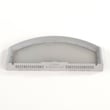
- Clean the lint screen every load; replace a damaged screen such as the GE dryer lint screen WE03X23881
- Vacuum lint from the lint filter area when performance changes
- Inspect and clean the exhaust duct at least once a year
- Keep the duct run short, avoid crushing it, and use elbows only when needed
- Confirm the outside hood damper opens freely and is not blocked
Typical wear parts and what they cause
If your dryer is still heating but getting loud, squealing, or stopping mid-cycle, these common wear items are often involved.
| Symptom | Common cause | Example part on this model |
|---|---|---|
| Squealing or thumping | Belt or idler wear | Dryer drum belt WE03X29897, dryer idler pulley WE03X31620 |
| Scraping or rumbling | Drum glides or felt seal wear | Dryer drum glide bearing, upper WE03X37320, dryer drum felt seal WE09X27634 |
| Long dry times | Airflow restriction or lint buildup | Venting and lint system checks (see manual) |
Why it matters
A dryer that runs hot because of poor airflow wears out thermostats, sensors, and gas ignition parts faster, and it also increases dry time and energy use. Good venting and lint control are the simplest ways to protect the motor, drum supports, and heating system.
Last updated: March 2026