 Installation guide
 Owner’s manual




What is the average life expectancy of a GE dishwasher?
A GE dishwasher like model PDT715SBN0TS typically lasts 10 to 12 years. With consistent care and normal household use, many run 10 to 15 years; heavy daily use, hard water buildup, and skipped cleaning can shorten service life.
What affects how long a GE dishwasher lasts
- Water quality: hard water mineral deposits accelerate wear on the wash system and heater.
- Cleaning routine: regular interior cleaning helps prevent odors, film, and buildup.
- Loading habits: overloading can block spray arms and strain the wash pump.
- Detergent and rinse aid use: using dishwasher-approved products helps reduce film and residue.
- Installation quality: proper installation reduces leaks, vibration, and wiring issues.
Maintenance that helps you reach the high end of the range
We recommend following the cleaning and care steps in the PDT715SBN0TS owner's manual. Key habits include:
- Clean and de-odorize the interior periodically (citric acid or dishwasher cleaner).
- Wipe the control panel with a lightly damp cloth, then dry.
- Keep spray paths clear so water can reach all racks.
- Address draining or filling issues early to avoid pump strain.
Common “end-of-life” symptoms and what they usually point to
| Symptom | Most common cause | What to check first |
|---|---|---|
| Poor cleaning | Restricted spray, weak circulation | Spray arms, loading, wash pump performance |
| Not draining | Drain restriction or failing pump | Drain hose routing, drain pump |
| Not drying | Heater or venting issue | Heat settings, door venting, heater circuit |
| Won’t start | Latch or control issue | Door latch engagement, power initialization |
If you’re troubleshooting performance problems on this GE platform, the GE electronic dishwasher error codes guide helps you match symptoms to likely causes.
Why it matters
Knowing the typical lifespan helps you decide whether to maintain and repair (often cost-effective in mid-life) or plan replacement when multiple major components like the wash pump, heater, and control system start failing close together.
Last updated: January 2026
What is the most common problem with a GE dishwasher?
The most common GE dishwasher problems are draining issues (water left in the tub), the dishwasher not starting, and poor cleaning from blocked spray paths. On the GE PDT715SBN0TS, these usually trace back to food debris buildup, a door-latch issue, or a drain restriction; use the PDT715SBN0TS owner's manual troubleshooting table to match symptoms to the right checks.
Most common issues we see (and what to check first)
- Not draining: check the drain path for kinks, clogs, or a blocked connection at the sink/disposal.
- Won’t start: confirm the door closes firmly and the latch engages.
- Not cleaning well: make sure dishes are not blocking spray arms or the detergent dispenser.
- Suds/foam in the tub: only use automatic dishwasher detergent (hand soap causes suds and poor wash).
- Detergent left in the cup: tall items can block the dispenser door; reload to clear it.
Quick symptom-to-cause guide
| Symptom | Most likely cause | Good next step |
|---|---|---|
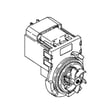
| Water standing in bottom | Drain restriction or weak drain pumping | Inspect drain hose routing; consider the dishwasher drain pump WD19X25461 if pumping is weak |
| Dead or won’t run | Door not latched, control issue, or power problem | Check latch engagement; review GE electronic dishwasher error codes |
| Dishes gritty or dirty | Spray blockage, loading issue, or wash circulation problem | Clear spray arm holes; avoid blocking the dispenser |
| Lots of suds | Wrong detergent or rinse aid spill | Let suds dissipate; follow the manual’s cancel/drain steps |
Why it matters
Drain and start problems often look “electrical,” but they are frequently caused by simple mechanical issues like a kinked drain hose, a blocked spray path, or dishes preventing the detergent cup from opening. Fixing the root cause prevents repeat cycles, odors, and poor cleaning.
Helpful model-specific references
- Use the PDT715SBN0TS owner's manual for loading guidance, detergent use, and the built-in troubleshooting chart.
- Use the PDT715SBN0TS installation guide to confirm the dishwasher was installed to allow proper draining and future service removal.
Last updated: January 2026
Which dishwasher to stay away from?
We don’t recommend “staying away” from a whole brand; instead, for a GE PDT715SBN0TS dishwasher, the smartest way to avoid a bad purchase is to screen any model for serviceability, parts availability, and common failure points (leaks, draining, and electronic control issues) before you buy. Use the PDT715SBN0TS owner’s manual to confirm features and proper use so you don’t mistake a setup or detergent issue for a reliability problem.
What to check before you buy (works for any brand)
- Parts support: confirm key parts are readily available (pump, spray arms, door latch, heater).
- Electronics complexity: models with more sensors and UI features can cost more to diagnose.
- Leak protection and door sealing: look for solid door closure and a good tub gasket design.
- Wash system design: strong filtration and spray coverage reduce “not cleaning” complaints.
- Noise and insulation: quieter units often rely on better insulation and tighter build quality.
- Installation fit: poor leveling or anchoring can cause vibration, door alignment issues, and leaks.
Common “problem areas” that drive bad reviews
Many dishwasher complaints trace back to a few systems. On the PDT715SBN0TS, these are the parts we see tied to typical symptoms:
| Symptom shoppers complain about | System to evaluate | Example part for this model |
|---|---|---|
| Not draining, water left in tub | Drain path and pump | Dishwasher drain pump WD19X25461 |
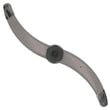
| Not cleaning well | Spray coverage and wash circulation | Dishwasher spray arm, lower WD22X33499 |
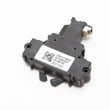
| Won’t start or stops mid-cycle | Door closure and safety interlocks | GE dishwasher door latch lock WD21X10490 |
How to “avoid a lemon” in real life
- Read the error-code behavior and what the lights mean; then compare that to owner reviews.
- Confirm the electrical requirements and proper grounding during install; unstable power can mimic control problems.
- Use only dishwasher detergent; regular soap creates suds and can look like a leak or drain failure.
- Check that the door closes firmly and the tub seal is clean and undamaged.
Why it matters
Most “bad dishwasher” experiences come from a mismatch between expectations and real-world conditions (hard water, loading habits, detergent choice, or installation). Screening for parts support and the drain, wash, and latch systems prevents expensive surprises.
Last updated: January 2026





