 Installation guide
 Owner’s manual


How to identify a Kenmore washer model?
For Kenmore washer model 11026752502, the model number is printed on the model and serial number label located under the washer lid. Use that exact number when ordering parts or looking up troubleshooting steps in the 11026752502 owner's manual.
Where to look on Kenmore washer model 11026752502
On this top-load Kenmore washer, the label is typically easy to spot once you lift the lid.
- Lift the washer lid fully and look along the rim under the lid
- Check near the tub opening where the lid closes
- Write down both the model number and serial number
- Record the purchase date as well (helpful for service and maintenance tracking)
- Keep the information with your appliance records for faster parts matching
What the model number looks like
Kenmore model numbers often start with 110. and continue with additional digits. For this washer, the full model number is 11026752502.
| Item to record | Example for this washer | Why you need it |
|---|---|---|
| Model number | 11026752502 | Ensures correct part fit and diagrams |
| Serial number | (from label) | Helps identify production details |
| Purchase date | (your records) | Useful for maintenance and service |
Why it matters
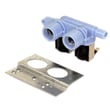
Kenmore washers can look similar across multiple series, but parts like a lid switch, drain pump, or inlet valve can vary by model. Using the exact model number helps us match the correct replacement part the first time.
Related setup tip (after identifying the model)
If you are confirming the washer after moving or installing it, follow the safety and setup steps in the 11026752502 installation guide, including verifying the faucets are on, checking for leaks at the inlet hoses, and plugging into a grounded 3-prong outlet.
Last updated: February 2026
Is it worth repairing a Kenmore washing machine?
Yes, it’s usually worth repairing a Kenmore washer, especially for a solid top-load model like Kenmore 11026752502, as long as the repair cost is clearly less than replacing the machine and the fix addresses the root cause (not just symptoms). Use the troubleshooting and maintenance guidance in the 11026752502 owner’s manual to confirm what’s failing before you buy parts.
How we decide if repair makes sense
We use a simple cost and condition check:
- Repair cost vs. replacement cost: If the repair is under about 50% of a comparable new washer, repair is the better value.
- What failed: Wear items (lid switch, drain pump, coupling, clutch) are typically good repair candidates.
- Overall condition: Rust, repeated leaks, or severe tub/drive damage pushes the decision toward replacement.
- How often it’s been breaking: Multiple recent failures usually means more are coming.
- Downtime: If you need a fast fix, choose the most likely failure first.
Common “worth it” repairs on this model
These are frequent, straightforward repairs that often restore normal washing and spinning:
- No spin or stops mid-cycle: lid switch (example part: washer lid switch assembly WP8318084)
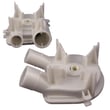
- Won’t drain: drain pump
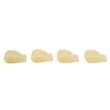
- Agitates poorly: agitator dogs
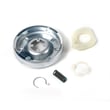
- Loud or slipping spin: clutch
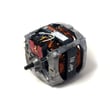
- Motor runs but basket does not move: motor coupling
Quick cost-to-benefit checklist
| Situation | Usually worth repairing? | Why |
|---|---|---|
| Won’t spin due to lid switch | Yes | Low part cost, high success rate |
| Won’t drain due to pump | Yes | Common failure, clear symptom |
| Agitator not moving well | Yes | Small parts often fix it |
| Gearcase/drive system major failure | Depends | Higher parts cost and labor |
Why it matters
A correct diagnosis prevents repeat breakdowns and wasted parts. The manual also emphasizes avoiding overloading and keeping loads balanced so the washer can wash and spin properly, which helps prevent strain on the drive system over time.
Last updated: February 2026
What is the average lifespan of a Kenmore washer?
A Kenmore washer typically lasts 10 to 15 years with normal household use. For Kenmore model 11026752502, keeping loads balanced, avoiding overloading, and following the care and use guidance in the 11026752502 owner's manual helps you reach the upper end of that range.
What affects washer lifespan most
- Overloading and poor load balance: loads should move freely during washing.
- Maintenance habits: cleaning, checking hoses, and addressing small leaks early.
- Water quality and detergent use: excess suds and mineral buildup add wear.
- Wear items over time: drive and drain components naturally wear with use.
- Usage pattern: multiple heavy loads daily shortens life compared to moderate weekly use.
Common wear parts that can shorten life (and what they do)
If performance drops (no agitation, no spin, no drain), these are frequent suspects on many Kenmore top-load designs:
| Symptom | Likely area | Example part for this model |
|---|---|---|
| Won’t drain or drains slowly | Drain system | Washer drain pump WP3363394 |
| Won’t start or stops when lid opens | Safety interlock | Washer lid switch assembly WP8318084 |
| Agitates poorly or makes clicking in agitator | Agitator drive | Agitator dog 80040 |
Maintenance habits that help you hit 10 to 15 years
- Keep loads evenly distributed; mix large and small items.
- Do not pack the basket; the load should move freely.
- Use the recommended amount of detergent and bleach; wipe spills promptly.
- Inspect fill hoses periodically and replace if cracked or bulging.
- If you notice new noises, burning smell, or repeated no-drain issues, stop using the washer and correct the cause before it damages the drive system.
Why it matters
Most “washer died early” situations come from repeated strain (overloading, chronic off-balance spinning, or poor draining). Reducing that strain protects high-wear components like the motor coupling, clutch, and drain pump.
Last updated: February 2026





