Owner’s manual
 View engine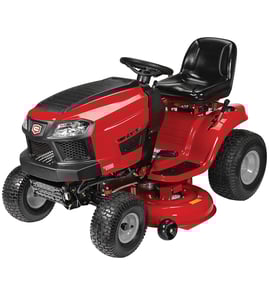


How to find riding lawn mower model number?
For a Craftsman riding mower like model 247204390, the model number is usually printed on a sticker or metal tag on the frame or under the seat. We recommend matching the tag exactly (letters, numbers, and dashes) before ordering parts or looking up diagrams in the 247204390 owner's manual.
Common places to check on a riding mower
Look in these spots first (clean off grass and dirt so the tag is readable):
- Under the seat (seat pan area) or on the seat bracket
- Rear of the frame, between or above the rear wheels
- Left or right side of the frame rail
- Near the engine area (starter housing or blower housing)
- On or near the cutting deck (often on the left rear area of the deck)
Quick steps to locate and read the tag
- Park on a flat surface, set the parking brake, and remove the key
- Let the engine and muffler cool completely
- Use a flashlight; wipe the tag with a damp rag
- Write down the full model number and any serial number shown
- Use the model number to confirm fit before buying belts, blades, or electrical parts
Model number vs. serial number (what to record)
| What you see on the tag | What it’s used for | Example format |
|---|---|---|
| Model number | Finding correct parts diagrams and part fit | 247204390 |
| Serial number | Identifying production run details | Varies |
Why it matters
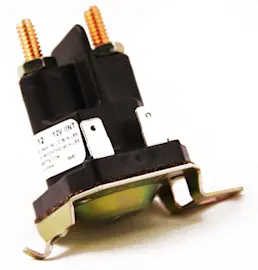
Even small model-number differences can change deck size, belt routing, and electrical components. Using the exact model number helps ensure parts like a blade drive belt or starter solenoid match your tractor.
Last updated: January 2026
How to read a Craftsman mower serial number?
On Craftsman tractor model 247204390, the serial number is typically used to identify the unit’s production date and to match the correct parts list. A common Craftsman format is MMDDYY (month, day, year), so a serial like 072811 reads as July 28, 2011; confirm your exact format in the 247204390 owner's manual.
Where to find the serial number
Most Craftsman riding mowers and tractors place the serial number on a product ID label. Check these common spots:
- Under the seat (seat pan or frame rail)
- On the rear frame near the hitch plate
- On the left or right side of the frame by the engine
- Near the footrest area on the chassis
- On the mower deck shell (less common for the main tractor serial)
How to decode the date (common format)
Many Craftsman-built riding mowers use a date-style serial where the first 6 digits represent the build date.
| Serial digits | Meaning | Example |
|---|---|---|
| 1 to 2 | Month (MM) | 07 = July |
| 3 to 4 | Day (DD) | 28 = 28th |
| 5 to 6 | Year (YY) | 11 = 2011 |
Quick checks before you rely on the date
- Look for 6 consecutive digits that resemble a date (MMDDYY).
- If the label shows multiple numbers, use the one labeled “Serial” (not “Model”).
- If the serial includes letters or is longer than 6 digits, the date may be embedded; use the manual’s ID-label section to confirm.
Why it matters
The serial number helps us match the correct Craftsman parts breakdown for your tractor, especially when there are mid-year changes to items like the mower deck, belts, blades, wiring harnesses, or safety interlock switch.
Last updated: January 2026
What riding mower has the least problems?
If you want a riding mower with the fewest problems, we recommend prioritizing proven build quality and serviceability over brand name alone. For owners comparing against a Craftsman tractor like model 247204390, the most reliable choices are typically heavy-duty lawn tractors with a V-twin engine, hydrostatic transmission, and strong dealer parts support; those features reduce common starting, belt, and driveline issues (see the 247204390 owner's manual for your mower’s exact configuration and maintenance schedule).
What to look for (reliability features that matter most)
- V-twin engine (smoother operation, less strain under load)
- Hydrostatic transmission (fewer shift and drive complaints than basic geared setups)
- Greaseable spindles and serviceable deck hardware (easier upkeep)
- Strong parts availability for belts, blades, switches, and electrical components
- Simple, well-protected wiring and solid safety interlock design
Quick comparison: what usually breaks first
| Area | What fails most often | What reduces problems |
|---|---|---|
| Starting system | Battery, solenoid, interlock switch | Clean connections, good battery care, dry storage |
| Cutting deck | Blades, belts, idlers | Correct belt routing, proper deck leveling, timely blade replacement |
| Drive system | Ground drive belt wear, idler issues | Correct tension, keep pulleys clean, avoid overloading |
How to reduce problems on a Craftsman 247204390
Even the best mower has fewer issues when maintenance is consistent.
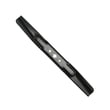
- Keep the deck level and the blades sharp; replace worn blades with the correct style such as the Craftsman lawn tractor 46-in deck premium 2-in-1 blade 19B30031OEM when your cut quality drops.
- Inspect belts for glazing/cracks and replace before they snap.
- Clean battery terminals and confirm tight ground connections.
- Check safety switches if you get no-crank or intermittent starting.
- Use fresh fuel and follow seasonal storage steps.
Why it matters
Most “problem” mowers are really a mismatch between mower capability and yard conditions (hills, thick grass, towing) or missed maintenance. Choosing a mower with a V-twin and hydrostatic drive, then keeping up with blades, belts, and battery care, prevents the most common downtime.
Last updated: January 2026