Owner’s manual
 View engine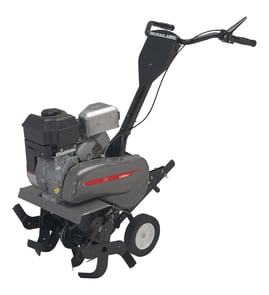



Where to find model number on CRAFTSMAN tiller?
On a Craftsman front-tine tiller like model 247299342, the model number is usually printed on an ID label or stamped into metal near the engine area. We most often see it on or near the recoil starter housing, under the engine shroud, or on the engine sheet metal near the muffler or spark plug.
Common places to check first
Look in these spots in order; they are the fastest to access on most Craftsman tillers:
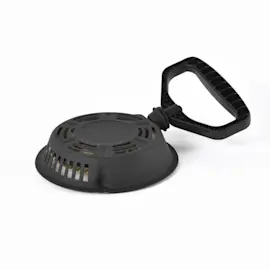
- Recoil starter (pull-start) housing: on the starter cover or nearby engine plate
- Under the engine shroud: remove the top cover to view the engine ID area
- Engine sheet metal near the muffler
- Near the spark plug area (on a tag, decal, or stamped surface)
- Frame rail or tine shield area (less common, but worth a quick look)
Quick tips to read the label
A dirty or faded label is the most common reason the model number is missed.
- Wipe the area with a rag and mild degreaser; avoid soaking decals
- Use a flashlight at a low angle to spot stamped numbers
- Take a phone photo and zoom in to read worn print
- Write down the full model number exactly as shown (all digits)
What to record (and why)
Use this checklist so we can match the correct Craftsman parts diagrams and hardware.
| What to write down | Example | Why it matters |
|---|---|---|
| Tiller model number | 247299342 | Matches the correct parts list for your tiller |
| Engine model/type/code (if shown) | Varies by engine | Helps match engine-specific parts like carburetor or ignition |
| Serial number (if present) | Varies | Useful for production changes and part revisions |
Why it matters
The model number is the key to ordering the right drive belt, tine assembly, fasteners, and brackets. Even small differences between similar Craftsman tillers can change belt routing, tine direction, and mounting hardware.
For model-specific diagrams and identification help, use the 247299342 owner’s manual.
Last updated: February 2026
What kind of oil do you use in a CRAFTSMAN tiller?
For the Craftsman tiller model 247299342, use a high-quality 4-cycle small-engine oil; SAE 30 is the standard choice for warm-weather operation, and 10W-30 is a good option when you expect cooler starts. For the exact oil type and fill level for your engine, follow the 247299342 owner's manual.
Recommended oil types (what to buy)
Use oil that meets current small-engine requirements (commonly API SJ or higher).
- SAE 30: best for steady warm temperatures (typical summer tilling)
- 10W-30: better for variable temps and cooler mornings
- Synthetic 5W-30: strong choice for cold starts and wide temperature swings
- Do not use 2-cycle oil: this tiller uses a 4-cycle engine oil system
How to check and add oil (quick steps)
Always check oil with the tiller on level ground and the engine off.
- Clean around the dipstick or fill cap so dirt does not fall into the crankcase
- Remove the dipstick, wipe it clean, then reinsert to read the level
- Add oil slowly in small amounts; recheck often to prevent overfilling
- Tighten the cap or dipstick fully before starting
- If oil looks milky or smells like gas, change it before running
Oil change timing (typical schedule)
| When | What to do |
|---|---|
| Before each use | Check oil level and condition |
| First few hours on a new engine | Change oil (break-in) |
| Every season or about every 25-50 hours | Change oil (more often in dusty soil) |
Why it matters
Correct oil viscosity helps the 247299342 engine lubricate properly under load, especially when the tines are digging hard soil. The wrong oil (or low oil) can cause hard starting, rough running, and accelerated engine wear.
Related DIY help
If you are troubleshooting performance issues that can be confused with oil problems (bogging, poor tilling, or stalling), use tiller common questions to narrow down the cause.
Last updated: February 2026
What kind of engine is on a CRAFTSMAN tiller?
The Craftsman front-tine tiller model 247299342 uses a small gasoline-powered, horizontal-shaft engine (the common layout for front-tine tillers that drive the tines through a belt and gear case). For the exact engine make, model, and displacement, match the engine ID information shown in the 247299342 owner's manual.
How to identify the exact engine on your 247299342
Use these quick checks on the engine itself (not the tiller frame):
- Look for an engine model/type/code label on the recoil starter housing, valve cover, or blower shroud
- Write down the displacement (cc) if listed
- Note whether it has a primer bulb or choke lever (helps when ordering tune-up parts)
- Check the spark plug part marking and gap spec listed on the engine label/manual
- Record the carburetor and air filter style before ordering replacements
What “kind of engine” usually means (and what you get)
Most Craftsman front-tine tillers in this class use a 4-cycle (4-stroke) gas engine designed for garden equipment.
| Engine detail | What you’ll typically see on a front-tine tiller | Why it matters |
|---|---|---|
| Fuel type | Gasoline (no oil mixed in fuel) | Prevents fuel-related starting issues |
| Shaft orientation | Horizontal shaft | Matches belt and pulley drive layout |
| Starting | Recoil pull-start | Affects starter and rope service |
| Power transfer | Belt to transmission/gear case | Belt condition directly affects tine power |
Why it matters
The exact engine identification determines the correct maintenance parts (spark plug, air filter, carburetor kit) and the right operating specs (oil type/amount, choke use, idle speed). It also helps when diagnosing “won’t start” or “runs rough” symptoms.
Related drive parts that affect performance
If the engine runs but the tiller does not pull or the tines do not dig well, the drive system is the next place to check.
- Inspect the tiller drive belt 954-0428 for glazing, cracking, or stretching
- Check tine hardware for looseness and wear; replace damaged tine sets such as tiller tine assembly 642-0003-0637
- Verify the depth stake setting and tine shield are installed correctly
For step-by-step help on tine service, use how to replace the tines on a front tine tiller.
Last updated: February 2026
Are CRAFTSMAN tillers any good?
Craftsman tillers are a solid choice for most homeowners because they typically deliver strong digging power and easy-to-find replacement parts. Like any tiller, long-term satisfaction depends on matching the machine to your soil conditions and keeping up with routine belt, tine, and fastener maintenance (see the 247299342 owner's manual).
What “good” looks like for a tiller
A good tiller is one that breaks ground without constant stalling, holds depth consistently, and does not eat belts or hardware.
Common signs you picked the right tiller:
- It tills without excessive bouncing or “walking” in the row
- The tines pull forward smoothly instead of chattering
- Controls feel firm (handlebars do not flex excessively)
- Wear parts (belt, tines, pins) last a full season or more with normal use
Where owners tend to have complaints
Most negative experiences come from setup, adjustment, or wear items being ignored until performance drops.
Typical pain points to watch:
- Drive belt glazing, stretching, or slipping under load
- Tines installed incorrectly after service (poor bite or odd tilling behavior)
- Loose hardware causing vibration and premature wear
- Depth stake set too aggressively for hard or rocky soil
Quick maintenance that keeps a Craftsman tiller performing well
These steps prevent most “it’s not digging like it used to” issues.
- Inspect belt condition and tension; replace if cracked or shiny
- Check tine edges for rounding; replace worn tine assemblies
- Re-tighten fasteners after the first few hours of use each season
- Verify cotter pins and washers are present and secure
- Clean packed soil from the tine area after each use
Common wear parts for model 247299342
| What you notice | Likely wear item | Example part for this model |
|---|---|---|
| Tines spin but do not bite well | Worn tines | Tiller tine assembly 642-0003-0637 |
| Tines/wheels lose power under load | Slipping belt | Tiller drive belt 954-0428 |
| Rattling, looseness, vibration | Loose hardware | Screw 710-0599, lock washer 936-0119 |
Why it matters
A front-tine tiller works hardest at the tines and drive system. Keeping the belt tight, the tines sharp, and the hardware secure makes the tiller feel “powerful” and extends the life of expensive assemblies like the gear case.
Last updated: February 2026