Installation guide
 Owner’s manual
 Error Codes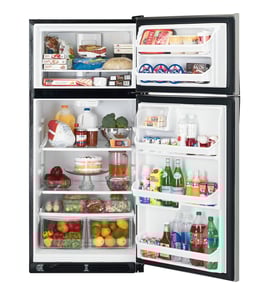



Is Frigidaire Gallery high end?
Frigidaire Gallery is a mid-range line, not an ultra high-end luxury line. It typically adds upgraded finishes, more features, and a more premium look than Frigidaire’s basic models, while staying priced and serviced like mainstream appliances (including top-mount refrigerators such as FFTR1821QS0).
What “high end” usually means (and where Gallery fits)
When shoppers say “high end,” they usually mean a mix of price, materials, features, and brand positioning.
- Frigidaire (standard): value-focused, essential features
- Frigidaire Gallery: step-up features and styling (mid-range)
- True luxury brands: premium materials, pro-style designs, higher service costs
How to compare Frigidaire vs Frigidaire Gallery
Use this quick checklist when you’re deciding whether Gallery is “high end enough” for your kitchen.
- More electronic controls and convenience features (varies by model)
- More finish and handle options (varies by model)
- More storage and organization features (varies by model)
- Typically higher price than standard Frigidaire
- Still designed for everyday ownership and common replacement parts
| Line | Typical positioning | Best for |
|---|---|---|
| Frigidaire | Value | Basic reliability and budget-friendly replacement parts |
| Frigidaire Gallery | Mid-range | More features and styling without luxury pricing |
| Luxury brands | Premium | Pro-style design, specialty features, higher budgets |
Why it matters for repairs and parts
Knowing the line helps set expectations for feature complexity and the kinds of parts you may replace over time. Even within the same brand, feature upgrades can mean different controls, sensors, and door components.
For model-specific details on your refrigerator’s controls, features, and care guidelines, use the FFTR1821QS0 owner’s manual.
Last updated: February 2026
How many years does a Frigidaire refrigerator last?
A Frigidaire refrigerator like model FFTR1821QS0 typically lasts 10 to 15 years. Regular cleaning, keeping the doors sealing tightly, and correcting cooling or defrost issues early are the biggest factors in reaching the high end of that range; see the FFTR1821QS0 owner's manual.
What affects lifespan the most
- Door seal condition: air leaks force longer run times and can cause frost buildup.
- Condenser airflow: blocked airflow makes the compressor work harder.
- Defrost performance: heavy frost reduces cooling and stresses the system.
- Temperature settings and loading: overpacking restricts airflow.
- Cleaning habits: wiping spills and cleaning compartments reduces odor and corrosion risk.
Maintenance checklist (simple, high impact)
We recommend these habits to extend the life of a top-mount refrigerator:
- Clean interior compartments at least twice a year (unplug first, use mild detergent).
- Inspect door gaskets for gaps, tears, or areas that do not sit flat.
- Keep vents inside the fresh food and freezer sections clear.
- Confirm the unit is level so doors close fully.
- If you have an ice maker connected, use proper water line materials and avoid routing tubing where it can freeze.
Quick guide: what “normal” looks like
| Item | Normal expectation | What it can mean if not normal |
|---|---|---|
| Run time | Cycles on and off throughout the day | Constant running can point to airflow or gasket issues |
| Frost | Light, even frost only | Heavy frost can indicate a defrost problem |
| Door closing | Closes easily and seals all around | Poor seal can shorten compressor life |
Why it matters
Most major refrigerator repairs involve the sealed system or compressor. Reducing run time and preventing air leaks helps protect high-cost components and keeps food temperatures stable.
Last updated: February 2026
What are the signs of a failing refrigerator?
A failing Frigidaire FFTR1821QS0 refrigerator usually shows up as poor cooling, unusual noises, leaks, or heavy frost and condensation. If food spoils faster than normal or the cabinet feels unusually hot near the back, it is time to troubleshoot and plan for repair.
Common warning signs to watch for
- Fresh food section is warm or temperatures swing up and down
- Freezer has heavy frost or ice buildup on the back wall
- Food spoils quickly even with normal settings
- Water leaking under or inside the refrigerator (puddles, wet crisper area)
- Loud or new noises (buzzing, clicking, grinding, or a fan rubbing sound)
- Excessive condensation on shelves, packages, or around the door gasket
- Back or side walls feel hotter than usual for long periods
Quick checks we recommend first
Start with these basics before replacing parts:
- Confirm the temperature controls are not set to "0" or "OFF" (this stops cooling but does not cut power to lights and other components); see the FFTR1821QS0 owner’s manual
- Make sure the doors close fully and the gasket seals all the way around
- Check for blocked air vents (overpacked shelves can restrict airflow)
- Clean dust from the condenser area and verify the unit has airflow around it
- If you recently moved or stored the refrigerator in freezing temperatures, make sure the water system was fully drained before restarting to prevent leaks
What the symptoms often point to
| Symptom | Most common cause | What to do next |
|---|---|---|
| Warm fridge, freezer OK | Airflow issue or evaporator fan problem | Check vents; listen for fan; inspect fan area |
| Heavy frost in freezer | Defrost system issue or door not sealing | Check gasket seal; look for ice on back wall |
| Leaking water | Drain issue, water line issue, or defrost meltwater overflow | Inspect drain path; check for ice blockage |
| Clicking/buzzing, poor cooling | Compressor start components or compressor strain | Unplug and inspect; schedule service if persistent |
Why it matters
Catching these signs early helps prevent food loss, reduces strain on the compressor, and can keep a simple fix (like clearing airflow or correcting a door seal) from turning into a major repair.
Last updated: February 2026
What is the most common problem with a Frigidaire refrigerator?
The most common Frigidaire refrigerator complaint is not cooling properly (fresh food warm, freezer warming, or temperatures swinging). On the Frigidaire FFTR1821QS0 top-mount refrigerator, this often ties back to airflow restrictions, control settings, or a defrost-related issue that lets frost block cooling.
What “not cooling” usually looks like
- Refrigerator section is warm but freezer is still somewhat cold
- Freezer has heavy frost on the back wall or on packages
- Unit runs a lot, then seems to fall behind on temperature
- Food freezes in the fresh food section (airflow or control imbalance)
- Temperatures improve briefly after a manual defrost, then worsen again
Quick checks we recommend first (FFTR1821QS0)
Use these steps before replacing parts; they solve a large share of cooling complaints.
- Confirm controls are not set to “0” or “OFF”; those settings stop cooling but do not cut power to lights and other components (see the FFTR1821QS0 owner’s manual).
- Give temperature changes time; allow about 24 hours after adjusting controls for temperatures to stabilize.
- Check power basics if the refrigerator is completely dead: plug seated firmly, breaker not tripped, correct fuse type and rating.
- Look for frost buildup in the freezer; heavy frost points to a defrost system or door-seal issue.
- Listen for the evaporator fan (freezer fan); if airflow is weak or noisy, cooling performance drops.
Common causes and what to check
| Symptom | Most likely area | What we check first |
|---|---|---|
| Warm fridge, freezer OK | Airflow/evaporator fan | Fan running, vents not blocked |
| Frost on freezer back wall | Defrost system | Defrost heater, defrost pattern |
| Runs constantly | Door seal or airflow | Gasket sealing, frost, vent blockage |
| No cooling at all | Controls/power | Control setting, outlet power |
If you find heavy frost and poor cooling, the defrost heater is a common suspect; for this model, see the refrigerator defrost heater 242044008.
Why it matters
A refrigerator that is not cooling correctly can lead to food spoilage and can also make the compressor run longer than normal. Catching airflow and frost problems early helps restore stable temperatures and reduces wear on major components.
Last updated: February 2026