Owner’s manual
 Error Codes




How big is the LG washer model WM4370HWA capacity?
The LG WM4370HWA is a large-capacity front-load washer; its exact tub capacity (in cubic feet) is listed in the WM4370HWA owner's manual. If you are comparing sizes for fit, the manual also provides the cabinet dimensions: 27 in. wide x 29 3/4 in. deep x 38 11/16 in. high.
What “capacity” means for this washer
Capacity is the usable volume of the wash basket (tub) and is typically shown in cubic feet (cu. ft.). It helps you estimate what loads the washer can handle.
Common load examples for a large-capacity front-load washer:
- King/queen bedding (1 comforter, depending on fill)
- Large mixed loads (towels, jeans, sweatshirts)
- Bulky items (jackets, small rugs) with room to tumble
Size and fit specs you can use right now
From the WM4370HWA manual specifications, these are the key “how big is it” measurements:
| Spec | Measurement |
|---|---|
| Width | 27 in. |
| Depth | 29 3/4 in. |
| Height | 38 11/16 in. |
| Depth with door open | 52 in. |
Tips for choosing the right capacity
When you are deciding if the WM4370HWA capacity is “big enough,” we recommend:
- Leave space for tumbling; do not pack the drum tight
- Use the correct cycle for bulky loads (bedding, towels)
- Avoid overloading; it reduces cleaning and can increase vibration
- If you see imbalance issues, redistribute the load before spin
Why it matters
Matching washer capacity to your household prevents overload-related problems (poor cleaning, long cycle times, vibration) and helps protect components like the suspension and drain system.
Last updated: February 2026
Is it worth fixing a 10 year old LG washing machine?
Yes, it’s often worth fixing a 10-year-old LG washer like model WM4370HWA when the repair is a common wear item (drain pump, inlet valve, door lock) and the total repair cost stays well below the cost of replacement. If the tub, bearings, or control boards are failing, replacement usually makes more sense.
Quick decision checklist
- Repair when the problem is draining, filling, or locking and the washer is otherwise quiet and stable.
- Replace when you have loud bearing noise, severe tub leaks, repeated major failures, or multiple expensive parts needed.
- Compare total repair cost (parts + labor) to a new washer; a practical cutoff is about 50% of replacement cost.
- Consider downtime: if parts are in stock and the fix is straightforward, repair is usually the faster path.
- Use the troubleshooting and maintenance steps in the WM4370HWA owner’s manual to confirm symptoms before ordering parts.
Common “worth fixing” repairs on WM4370HWA
These are frequent, targeted fixes that typically restore normal operation:
| Symptom | Likely area | Example part for this model |
|---|---|---|
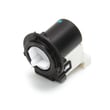
| Won’t drain, drains slowly, water left in tub | Drain pump or filter restriction | Drain pump motor (4681EA2001T) - washer part by LG electronics 4681EA2001T |
| Won’t fill, fills slowly, inlet screens clogged | Water inlet valve or inlet filters | LG washer single-solenoid water inlet valve 5220FR2006H |
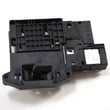
| Door won’t lock, won’t start, lock errors | Door lock or door plunger | LG washer door lock EBF61315802 |
When replacement is usually the better value
- Roaring/grinding during spin (often tub bearing or tub support issues)
- Water leaking from the tub area (not just a hose or clamp)
- Multiple major parts needed at once (for example, control board plus motor-related issues)
- Recurring failures after recent repairs
Why it matters
A 10-year-old front-load washer can still have plenty of usable life, especially with routine maintenance (cleaning inlet filters, avoiding hose overtightening, and replacing hoses on schedule). The right repair can prevent water damage, reduce noise/vibration, and restore proper wash performance.
Last updated: February 2026
Is LG a good washing machine front loader?
Yes. LG front-load washers like model WM4370HWA are a strong choice for most homes because they’re built for low noise and vibration, efficient cleaning, and long service life; this model’s owner documentation highlights an inverter direct-drive motor designed for durability.
What “good” usually means for LG front-load washers
We see customers choose LG front loaders when they want strong cleaning performance with fewer vibration issues than many belt-driven designs.
- Quiet, smooth operation (direct-drive style motor)
- Good efficiency (water and energy use)
- Large-capacity designs are common in this series
- Helpful diagnostics and smart features (Smart Diagnosis, Tag On/NFC on supported phones)
- Strong parts support for common repairs
Common ownership tradeoffs (and how to prevent them)
Front-load washers can develop odor or mildew if moisture stays trapped around the door area.
- Leave the door slightly open between loads to dry the tub
- Wipe the door boot and glass after the last load of the day
- Run the washer’s Tub Clean cycle on a routine schedule
- Use the right detergent amount (too much can cause buildup)
- Check and clean the drain pump filter if draining slows
For model-specific operating and cleaning steps, use the WM4370HWA owner’s manual.
Quick comparison: LG front load vs typical top load
| Feature | LG front-load (WM4370HWA type) | Typical top-load |
|---|---|---|
| Cleaning action | Tumble wash | Agitation or impeller |
| Water use | Lower | Higher |
| Odor risk | Higher if not dried | Lower |
| Spin extraction | Stronger | Varies |
Why it matters
A “good” washer is the one that matches your priorities. If you want efficiency, strong spin-out (shorter dry times), and quieter operation, an LG front loader is a solid fit; if you want the simplest day-to-day drying and less gasket upkeep, a top load can feel easier.
Last updated: February 2026
What is the difference between TurboWash and normal wash on LG washer?
On the LG WM4370HWA washer, Turbo Wash™ is an option that shortens the cycle time while maintaining good cleaning performance; the Normal (Cotton/Normal) cycle is the standard, longer wash profile for everyday loads. Turbo Wash™ is available at the start of the Cotton/Normal and Perm. Press cycles and can be turned on or off. See the WM4370HWA owner's manual for the exact button sequence and which cycles allow Turbo Wash™.
What changes when Turbo Wash™ is on
Turbo Wash™ mainly changes how the washer runs the cycle to finish sooner.
- Reduces overall cycle time on supported cycles
- Uses a different wash action pattern to keep performance up while saving time
- Limits some selections; for example, when Turbo Wash™ is on you cannot choose No Spin
- Works best with typical, everyday loads (not heavily overloaded)
Normal vs. Turbo Wash™ at a glance
| Feature | Normal (Cotton/Normal) | Normal with Turbo Wash™ |
|---|---|---|
| Goal | Everyday cleaning | Faster everyday cleaning |
| Cycle time | Longer | Shorter |
| Where available | Cotton/Normal cycle | Option available at the beginning of Cotton/Normal (and Perm. Press) |
| Spin option limits | No Spin can be selected | No Spin cannot be selected |
How to choose the right one
Use this quick guide for the WM4370HWA:
- Choose Normal without Turbo Wash™ for larger loads, more soak time, or when you want the most traditional cycle pacing.
- Choose Normal with Turbo Wash™ for lightly to normally soiled loads when you want to finish faster.
- If you need extra rinsing, add Extra Rinse (this increases time but can improve rinse results).
- For heavily soiled items, consider Heavy Duty instead of relying on Turbo Wash™.
Why it matters
Turbo Wash™ is a time-saver, but the “best” setting depends on load size, soil level, and the options you need (like spin selection). Knowing the tradeoffs helps you avoid poor spin results, longer dry times, or re-washing.
Last updated: February 2026
What is the most common problem with LG washers?
For the LG WM4370HWA washer, the most common problems we see are drain and water-supply related issues: slow or no draining from a clogged drain pump filter or restricted hose, and fill problems from low water pressure or a clogged inlet screen. Unbalanced loads and door-lock problems are also frequent.
Most common issues (and what to check first)
- Drains slowly or not at all: check for a kinked/frozen/clogged drain hose; clean the drain pump filter.
- Won’t fill or fills slowly: confirm both faucets are fully open; check inlet screens for debris; make sure hoses are not pinched.
- Door won’t lock or cycle won’t start: verify the door closes firmly and nothing is caught in the gasket.
- Excessive vibration or “walking”: reduce load size, redistribute items, and confirm the washer is level.
- Odor or mildew (front-loaders): wipe the door boot and run periodic tub-clean maintenance.
Quick troubleshooting map
| Symptom | Most likely cause | Best first step |
|---|---|---|
| Standing water in tub | Clogged filter or restricted drain path | Clean the filter and inspect the tub-to-pump hose |
| Long fill time | Low pressure or clogged inlet screen | Turn on faucets fully; clean inlet screens |
| Tub won’t rotate | Door not secured or overload | Close door firmly; reduce and rebalance load |
| Repeating fill and drain | Water level control issue | Stop the cycle and reset power |
Parts that commonly solve drain and fill complaints
If cleaning and hose checks do not fix the issue, these model-matched parts are common next steps:
- Washer drain pump filter 383EER2001A
- Drain pump motor (4681EA2001T) - washer part by LG electronics 4681EA2001T
- LG washer single-solenoid water inlet valve 5220FR2006H
- LG washer door lock EBF61315802
Why it matters
Drain and fill problems can stop a cycle mid-wash, leave clothes soaking wet, and strain the pump motor over time. Catching clogs early (coins, lint, small socks) prevents repeat failures and helps the washer reach full spin speed.
Where we recommend confirming model-specific steps
Use the WM4370HWA owner’s manual for the exact cleaning procedure, hose routing limits, and troubleshooting steps for slow draining, fill issues, and door-related errors.
Last updated: February 2026
What is the average lifespan of an LG washing machine?
Most LG washing machines, including the LG WM4370HWA, typically last 10 to 15 years with normal household use and basic maintenance. This model’s inverter direct-drive motor is designed for durability and low vibration, which supports a long service life (see the WM4370HWA owner's manual).
What affects washer lifespan the most
- Load size and balance: frequent overloading and chronic out-of-balance loads shorten bearing, shock, and tub life.
- Monthly cleaning: running the Tub Clean cycle monthly helps prevent odor, residue, and buildup.
- Drain health: keeping the drain path clear reduces strain on the pump.
- Water quality and pressure: correct supply pressure helps valves and hoses last longer.
- Small fixes done early: addressing leaks, slow draining, or door-lock issues prevents bigger failures.
Maintenance checklist for longer life
- Run Tub Clean monthly and wipe the door gasket after use.
- Leave the door slightly ajar to dry the drum (the magnetic door plunger feature helps).
- Clean the drain pump filter if you notice slow draining or standing water (see cleaning the drain pump filter on a front load washer with no access door video).
- Replace water hoses every 5 years and check them periodically for cracks or leaks.
- Use the right detergent amount (too much can cause residue and odors).
Common “wear” items vs. major repairs
| What you notice | Often related to | Typical next step |
|---|---|---|
| Won’t drain, drains slowly | Pump or filter restriction | Clean filter; inspect/replace pump components |
| Loud banging or excessive vibration | Suspension wear or unbalanced loads | Re-level; inspect shocks |
| Door won’t lock or won’t start | Door lock system | Inspect latch/lock assembly |
If your WM4370HWA is not draining and the filter is clear, the drain pump motor is a common replacement part (see drain pump motor (4681EA2001T) - washer part by LG electronics 4681EA2001T).
Why it matters
A washer that reaches the 10 to 15 year range usually does so because the tub stays clean, the drain system stays clear, and vibration is controlled. Those three areas reduce stress on high-cost components like the motor, bearings, and tub.
Last updated: February 2026
Why are LG parts so expensive?
LG parts for the LG WM4370HWA often cost more because they are engineered to meet tight performance and safety standards, and LG recommends using authorized components to protect reliability and service life. Pricing also reflects specialized designs, testing, and lower-volume part production.
What drives the price on WM4370HWA parts
- Model-specific engineering: Many components are designed for a specific washer platform, not “universal” fit.
- Quality and durability targets: Parts are built to handle heat, vibration, water exposure, and high-speed spin loads.
- Testing and compliance: Manufacturers validate parts for performance and safety in real-world conditions.
- Authorized parts expectation: LG guidance emphasizes using authorized components for proper operation.
- Supply chain and inventory: Stocking slow-moving parts and shipping bulky items increases cost.
Common examples on this model
Some WM4370HWA repairs involve higher-cost assemblies because they combine multiple functions or require tighter tolerances.
| Part type | What it does | Why it can cost more |
|---|---|---|
| Drain system parts | Moves water out during drain/spin | Must resist debris, heat, and moisture; motor and seals matter |
| Door lock and door parts | Keeps the door secured during operation | Safety-critical; precise fit and electrical switching |
| Control electronics | Runs cycles and monitors sensors | Higher component cost; model-specific programming |
If you are troubleshooting a drain issue, using the correct replacement such as the drain pump motor (4681EA2001T) - washer part by LG electronics 4681EA2001T helps avoid fit and performance problems.
How to keep repair costs down (without cutting corners)
- Confirm the symptom first (for example: no drain, slow fill, door will not lock).
- Clean and maintain items that commonly cause “false failures” (pump filter, inlet screens, dispenser drawer).
- Replace only the failed component, not the whole assembly, when the design allows it.
- Compare part cost vs. labor; some repairs are DIY-friendly, others are not.
- Use the troubleshooting steps and diagrams in the WM4370HWA owner’s manual to avoid unnecessary part swaps.
Why it matters
Using the right part protects wash performance and helps prevent secondary damage such as leaks, repeated drain failures, or door-lock issues that stop the cycle mid-wash.
Last updated: February 2026