




What is the average life expectancy of a GE dishwasher?
Most GE dishwashers, including model GSD3300K65WW, typically last 10 to 12 years. With consistent cleaning and normal household use, it’s common to see around 10 to 15 years; heavy daily use and poor water quality can shorten that.
- Hard water and scale buildup (heating and wash components work harder)
- Food debris left in the tub (clogs and odors increase wear)
- Overloading or poor loading (spray arms get blocked, racks get damaged)
- Drain and fill issues (pump strain, standing water)
- Door and latch habits (slamming or forcing the door stresses switches and panels)
- Run a monthly cleaning cycle using a dishwasher cleaner or descaler
- Keep the bottom of the tub clear of labels, glass, and food scraps
- Confirm the spray arms spin freely and holes are not plugged
- Check the drain path for kinks or restrictions
- Fix small leaks early so water does not reach the motor area
| Symptom | Common wear area | Example part for GSD3300K65WW |
|---|---|---|
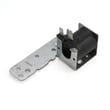
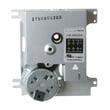
| Not draining | Drain valve/solenoid, hose | GE dishwasher drain solenoid assembly WD21X10268 |
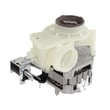
| Poor wash or noisy wash | Pump/motor, impeller | GE dishwasher pump and motor assembly WD26X10051 |
| Not filling or fills slowly | Water inlet valve | Dishwasher water inlet valve WD15X28379 |
Knowing the typical life expectancy helps you plan: if your GSD3300K65WW is near the 10 to 12 year mark, a major repair (pump/motor, circulation issues, or repeated leaks) often signals it’s time to compare repair cost to replacement value.
Last updated: January 2026
Should you run hot water before starting the dishwasher?
Yes. For a GE GSD3300K65WW dishwasher, running the kitchen hot water until it’s hot before you start a cycle helps the dishwasher begin washing with hotter water right away, which improves detergent performance and helps remove greasy soil.
- Run the hot water at the sink closest to the dishwasher until it turns fully hot.
- Turn the faucet off, then start the dishwasher immediately.
- Use the correct detergent amount for your water hardness.
- Load so spray arms can spin freely and water can reach all surfaces.
- If you see standing water after a cycle, follow dishwasher not draining video.
Running hot water is most helpful on the first fill, especially if your dishwasher is far from the water heater.
| Situation | Run hot water first? | Why |
|---|---|---|
| Heavy soil, greasy cookware | Yes | Hotter water activates detergent faster |
| First load of the day | Yes | Hot water line is usually cooled off overnight |
| Quick/light cycle | Yes | Short cycles have less time to heat water |
| Dishwasher has an internal heater | Still recommended | It reduces warm-up time on the first fill |
These checks target the most common wash-performance issues on GE dishwashers:
- Inspect the lower spray arm for clogs and cracks; replace with dishwasher spray arm, lower WD12X10244 if needed.
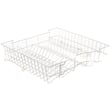
- Make sure the upper rack is seated correctly and not blocking spray.
- Clean out debris that can restrict circulation.
- If wash pressure seems weak or intermittent, the circulation system may need service (pump, impeller, or motor).
Dishwasher detergent is formulated to work best in hot water. Starting with hot water improves early-cycle wash action, which is when a lot of food soil is loosened and carried away.
Last updated: January 2026
What is the most common problem with GE dishwashers?
The most common GE dishwasher problem is a drain issue: the unit finishes with water left in the tub because of a clog, a restricted drain path, or a drain component that is not actuating. On the GE GSD3300K65WW, we also commonly see “won’t start” complaints tied to the door switch circuit.
- Water left in the bottom after the cycle (slow drain or no drain)
- Humming but little or no water movement (wash motor or impeller issue)
- Dishwasher won’t start or stops when the door is moved (door switch issue)
- Poor cleaning, especially on the lower rack (spray arm or circulation issue)
- Intermittent draining during the cycle (drain solenoid linkage issue)
- Cancel the cycle and try a drain function (listen for drain sound).
- Check the sink/disposal connection for a blockage (especially right after a disposal install).
- Inspect the drain hose routing for kinks or a low loop that can backflow.
- Clear standing water, then check the sump area for food debris.
If the hose is split, soft, or internally clogged, replacing the dishwasher drain hose WD24X10014 is a common fix.
| Symptom | Likely area | Example part for this model |
|---|---|---|
| Not draining | Drain path or drain actuator | Dishwasher drain hose WD24X10014 |
| Not draining (actuation issue) | Drain solenoid/linkage | GE dishwasher drain solenoid assembly WD21X10268 |
| Won’t start | Door switch circuit | Dishwasher door switch WD21X10261 |
| Poor wash action | Pump, motor, or impeller | GE dishwasher pump and motor assembly WD26X10051 |
If your GE dishwasher shows an error code, use the code to narrow the failure to a drain, fill, heating, or control issue before replacing parts. See GE dishwasher error codes for code meanings and next steps.
Drain and start problems are the most common because they are triggered by everyday conditions: food debris, grease buildup, hose routing, and door-latch movement. Fixing the drain path and verifying the door switch circuit prevents repeat failures and protects the pump and motor.
Last updated: January 2026





