Owner’s manual
 Error Codes


What are the common problems with Kenmore Elite refrigerators?
For Kenmore Elite model 79571036010, the most common problems are warm temperatures, ice maker or water dispenser issues, water leaks, frost or ice buildup, and unusual noises. These symptoms usually trace back to airflow restrictions, dirty coils, door sealing problems, or a failed fan, sensor, or water-supply component.
Most common symptoms and what they usually mean
- Fridge or freezer not cold enough: blocked vents, dirty condenser coils, weak evaporator fan, or a temperature sensor issue
- Ice maker not making ice / dispenser not dispensing: clogged filter, low water pressure, frozen fill tube, or inlet valve problem
- Water leaking inside or under the refrigerator: clogged defrost drain, cracked drain tube, or loose water line connection
- Frost buildup or ice on the bottom of the freezer: defrost drain restriction or door not sealing
- Buzzing, rattling, or clicking: fan blade hitting ice, failing fan motor, or compressor start/control issues
Quick checks we recommend first (before replacing parts)
- Set temperatures to typical targets: 37°F fresh food and 0°F freezer.
- Make sure air vents are not blocked by food packages.
- Clean condenser coils and confirm the condenser fan area is clear.
- Check door closing and gasket contact all the way around.
- If you have a water dispenser, replace the filter on schedule and flush air from the line.
Parts that commonly solve these problems on model 79571036010
| Symptom | Common part to check | What it affects |
|---|---|---|
| Warm temps, poor airflow | Lg refrigerator evaporator fan motor 4681JB1027C | Circulates cold air through the compartments |
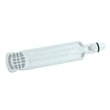
| Leaks, no ice, weak dispensing | Lg refrigerator water inlet valve AJU72992601 | Controls water flow to ice maker and dispenser |
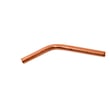
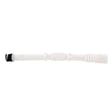
| Leaks from defrost water | Refrigerator drain tube 5251JA3003D | Routes defrost water to the drain pan |
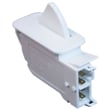
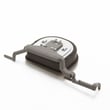
| Door ajar light, intermittent cooling | Refrigerator door switch 6600JB1010A | Signals door status to controls and lights |
Why it matters
Most “big” refrigerator complaints (not cooling, leaking, loud noise) start as small airflow, sealing, or water-flow problems. Catching them early helps protect food, reduces ice buildup, and prevents strain on the compressor.
Model-specific references
- Use the 79571036010 owner’s manual for temperature settings, control features, and care and cleaning steps.
- If your display shows an error, use the Kenmore 795 model bottom freezer refrigerator error codes guide to match the code to the most likely cause.
Last updated: January 2026
What is the average lifespan of a Kenmore Elite refrigerator?
Most Kenmore Elite refrigerators, including model 79571036010, typically last 10 to 15 years. With consistent maintenance (clean airflow, tight door seals, and timely repairs), it’s common to reach the upper end of that range and keep cooling performance stable longer.
Typical lifespan and what affects it
A refrigerator’s life is mostly determined by how hard the sealed system and fans have to work, plus how well the doors seal.
- 10 to 15 years is the typical lifespan for modern refrigerators
- Heavy use (frequent door openings, warm garage placement) shortens life
- Poor airflow from dirty condenser areas increases compressor run time
- Worn gaskets cause temperature swings and excess frost
- Water and ice issues (leaks, clogs) can create secondary damage if ignored
Maintenance that extends life (high impact)
Use these habits to reduce strain on the compressor, evaporator fan, and defrost system.
- Clean dust from the condenser area regularly (unplug first)
- Keep doors closing squarely; avoid overloading door bins and shelves
- Inspect and clean door gaskets; replace if torn or permanently warped
- Replace the water filter on schedule to protect the valve and dispenser flow
- Clear freezer vents and avoid packing food tightly against air returns
Quick “repair vs. replace” guide
Use this as a practical decision check when problems start showing up.
| Situation | Usually makes sense to | Why |
|---|---|---|
| Minor leak, weak water flow, slow ice | Repair | Often a filter, valve, or tubing issue |
| Door not sealing, moisture on gasket | Repair | Gasket or alignment restores efficiency |
| Repeated warm temps, loud running, poor cooling | Diagnose first | Could be fan, sensor, or sealed-system strain |
| Major sealed-system or compressor failure | Compare costs | Parts and labor can be significant |
Why it matters
A refrigerator near the end of its expected lifespan often uses more energy and has wider temperature swings, which can shorten food life. Preventive maintenance helps your Kenmore Elite run fewer hours per day and reduces wear on key components.
Helpful resources for this model
- Check care and maintenance intervals in the 79571036010 manual
- If you see a display code, use the Kenmore 795 model bottom freezer refrigerator error codes guide
- For filter selection and replacement steps, see how to replace the water filter in a Kenmore refrigerator (and match it to your filter type)
Last updated: January 2026
Why is my refrigerator not getting cold at the bottom?
If your Kenmore Elite 79571036010 is warm at the bottom, the most common causes are restricted airflow (blocked vents or an iced-up return path), a weak evaporator fan, or a defrost drain issue that leads to ice buildup. Use the 79571036010 owner's manual to locate vents and access panels safely.
Quick checks we recommend first
- Make sure food packages are not blocking the air vents in the fresh food section.
- Set the refrigerator to 37°F and the freezer to 0°F, then wait 24 hours for stabilization.
- Listen for the evaporator fan: you should hear a steady fan sound when the compressor is running.
- Check for frost or ice on the rear interior panel (a sign of airflow restriction or defrost trouble).
- Verify the doors close tightly and the gaskets seal all the way around.
What usually causes “warm bottom” symptoms
In a bottom-mount design, cold air is moved by a fan and routed through ducts; if that path is blocked, the lower area can warm up even while other areas seem closer to normal.
| Symptom | Most likely cause | What to do next |
|---|---|---|
| Bottom shelves warm, top closer to normal | Air return blocked by items or ice | Clear vents; check for ice behind rear panel |
| Little or no airflow from vents | Evaporator fan not running or weak | Inspect fan area; consider fan motor replacement |
| Water pooling then freezing, recurring warm spots | Drain system icing up | Clear drain; inspect/replace drain tube |
| Temps drift, inconsistent readings | Sensor issue | Check sensor placement; test/replace sensor |
Parts that commonly fix this on model 79571036010
Only replace parts after confirming the symptom matches.
- Lg refrigerator evaporator fan motor 4681JB1027C: restores airflow through the evaporator and ducts.
- Refrigerator drain tube 5251JA3003D: helps prevent drain backups that can refreeze and block airflow.
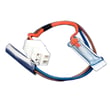
- Refrigerator temperature sensor and cover ACQ73244001: improves temperature feedback if readings are erratic.
Why it matters
When airflow is restricted, the compressor can run longer, temperatures become uneven, and food safety suffers in the warm zone. Fixing the airflow or defrost-related root cause restores even cooling and reduces strain on the sealed system.
Last updated: January 2026