Owner’s manual


Can I search for Whirlpool parts by model?
Yes. For Whirlpool dryer model WED7120HW0, searching by the full model number is the most accurate way to get compatible replacement parts because it matches your exact version and its parts list, diagrams, and serviceable components shown in the WED7120HW0 owner's manual.
How to search by model number (best practice)
- Use the complete model number exactly as shown on the dryer’s model tag: WED7120HW0.
- Match the part by name and part ID (not just a description).
- Compare the part’s location using the dryer’s diagrams (drum area, blower housing, heater box, console).
- If your symptom points to a wear item, confirm the related parts before ordering.
- Keep your dryer’s fuel type in mind (gas vs. electric) because heating parts differ.
Common WED7120HW0 parts customers look up by model
| Symptom or need | Common part type | Example part for this model |
|---|---|---|
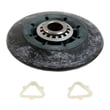
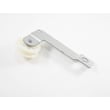
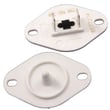
| Squealing, thumping, rumbling | Drum support and belt drive parts | Dryer drum support roller WPW10314173 |
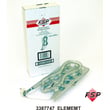
| No heat or weak heat (electric) | Heating circuit parts | Element, heater 5400w WP3387747 |
| Runs but takes too long to dry | Airflow and lint path parts | Lint screen, ducting, blower wheel |
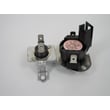
| Overheats or shuts off | Safety temperature parts | Thermal fuse, high-limit thermostat |
Why searching by model matters
Whirlpool often uses similar-looking parts across many dryers, but mounting points, wiring connectors, and kit contents can vary by model revision. Using WED7120HW0 ensures the part you choose is designed to fit and function correctly.
Quick safety reminder before you start a repair
- Disconnect power before servicing.
- If your dryer is a gas model, shut off the gas supply before moving or servicing.
- Replace all panels and fasteners before operating.
Last updated: February 2026
What's the average lifespan of a Whirlpool dryer?
A Whirlpool dryer typically lasts about 10 years. With consistent care (good airflow, regular lint removal, and prompt repair of wear parts), many dryers can reach 12 to 15 years of service. For your Whirlpool WED7120HW0, following the maintenance steps in the WED7120HW0 owner's manual helps maximize lifespan.
What affects dryer lifespan most
- Vent restriction: long vent runs, too many elbows, or crushed/kinked ducting increase heat and run time.
- Lint buildup: lint in the cabinet or exhaust vent raises operating temperatures and stress on components.
- Wear parts: rollers, idler pulley, and blower wheel wear faster with heavy weekly loads.
- Overloading: strains the drive motor, drum support system, and belt path.
- Heat cycling: frequent overheating can shorten the life of the heater and safety thermostats.
Maintenance schedule we recommend (based on the manual)
The WED7120HW0 manual calls out specific care items that directly impact longevity.
| Task | How often | Why it matters |
|---|---|---|
| Clean lint screen | Every load | Improves airflow and drying time |
| Remove lint from exhaust vent | Every 2 years (or more with heavy use) | Prevents long dry times and overheating |
| Remove lint inside dryer cabinet | Every 2 years (or more with heavy use) | Reduces heat stress on internal parts |
| Keep vent run short with few elbows | At install and whenever moved | Better performance and less wear |
Parts that commonly wear out first
If you hear squealing, thumping, or the drum feels rough, these are common wear items on Whirlpool dryers:
Why it matters
A dryer that breathes well dries faster, runs cooler, and cycles heat normally. The WED7120HW0 manual notes that vent runs longer than the vent chart allows can reduce performance and can shorten dryer life, so airflow and vent design are key to getting the full expected lifespan.
Last updated: February 2026
Is a 7.4 cu ft dryer big?
Yes. A 7.4 cu. ft. dryer is considered a large-capacity size; for Whirlpool dryers like model WED7120HW0, anything above about 7.0 cu. ft. typically gives you more room for bulky loads (comforters, towels) and better tumbling for faster, more even drying. For cycle and load guidance, use the WED7120HW0 owner's manual.
What “7.4 cu. ft.” means in real use
A larger drum helps reduce overpacking, which improves airflow and drying performance.
- Fits bulkier items more easily (blankets, comforters)
- Helps clothes tumble instead of balling up
- Can shorten dry times when the venting is good
- Makes it easier to dry mixed loads (jeans plus shirts)
- Still benefits from proper sorting and not overloading
Quick size comparison
| Dryer capacity | Common label | Best for |
|---|---|---|
| 6.0 to 6.9 cu. ft. | Standard | Smaller households, lighter loads |
| 7.0 to 7.4 cu. ft. | Large | Most families, towels, bedding |
| 7.5+ cu. ft. | Extra-large | Frequent bulky loads, large households |
Why it matters (performance and efficiency)
Even with a large drum, drying speed depends heavily on airflow. If loads take too long, check lint buildup and vent length and elbows. Whirlpool venting guidance typically favors the straightest run possible and rigid metal ducting; excessive 90° turns can reduce performance.
If drying seems slow, check these first
- Clean the lint screen every load (replace if damaged or warped)
- Inspect the vent hood outside for a strong, steady exhaust flow
- Reduce 90° elbows and avoid crushed or kinked ducting
- Use rigid metal venting where possible
- Consider checking the blower and temperature sensing if airflow and venting are good
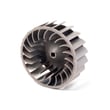
If you’re troubleshooting airflow or heat issues on WED7120HW0, common related parts include the dryer blower wheel WP697772 and the dryer thermistor WP8577274.
Last updated: February 2026
What brand of dryer has the least problems?
Whirlpool tends to rank among the most reliable full-size dryer brands overall, with LG and GE also commonly rated well; Maytag is often close behind. For your Whirlpool WED7120HW0, reliability still depends heavily on installation, venting, and routine maintenance outlined in the WED7120HW0 owner's manual.
Practical reliability takeaways (what reduces problems most)
- Keep the vent path short, smooth, and clear; restricted airflow is a top cause of overheating and shutdowns.
- Clean the lint screen every load; replace a damaged screen to prevent lint bypass.
- If the display shows “Check Vent,” treat it as an airflow restriction until proven otherwise.
- If the dryer will not heat and shows an L2-related power issue, check the home power supply (breaker, outlet, cord connection).
- Address squealing or thumping early; worn rollers or an idler pulley can escalate into belt or motor strain.
Brand comparison (typical industry pattern)
| Brand | Typical reliability reputation | Common “problem drivers” to watch |
|---|---|---|
| Whirlpool | Very strong | Vent restriction, wear parts (rollers, idler) |
| LG | Strong | Sensor/board issues, venting/installation |
| GE | Good | Heating/airflow issues, wear parts |
| Maytag | Good to very good | Similar wear parts and airflow issues |
Parts that often solve “problem” symptoms on WED7120HW0
If your goal is fewer breakdowns, these are common wear or safety parts that prevent repeat issues when symptoms appear:
- Dryer drum support roller WPW10314173 (thumping, rumbling)
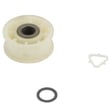
- Dryer idler pulley W10837240 (squeal, belt slip)
- Thermal fuse W10909685 (no heat or no run after overheat event)
- Dryer thermistor WP8577274 (temperature regulation problems)
Why it matters
Most “least problems” rankings assume correct setup and airflow. On any brand, a crushed or blocked vent can trigger overheating, long dry times, nuisance error messages, and premature failure of heat and safety components.
Last updated: February 2026
What causes dryer heating element failure?
On the Whirlpool WED7120HW0, heating element failure is usually caused by restricted airflow (venting or lint buildup) that overheats the heater, electrical supply problems that make the heater run abnormally, or normal wear over time. Use the WED7120HW0 owner's manual to confirm venting and power requirements.
Most common causes
- Blocked or crushed venting: Poor airflow traps heat in the heater housing and can shorten element life.
- Lint buildup inside the dryer: Lint around the heater duct and blower area raises operating temperatures.
- Power supply issues: If the heater is not turning on and you see an L2 condition, the manual points to a house power supply problem.
- Overheating protection events: Repeated overheating can open a safety device and is often linked to airflow restrictions.
- Normal aging: The coil can eventually break after many heat cycles.
Quick checks we recommend before replacing parts
- Clean the lint screen and confirm strong airflow at the outside vent hood.
- Inspect the vent path for kinks, long runs, or heavy lint buildup.
- Run a heated Timed Dry cycle (not Air Only) and watch for “Check Vent” messages.
- Verify the dryer is on the correct dedicated circuit (electric dryers typically require a 30 A circuit).
- If the drum tumbles but there is no heat, test the heating circuit components.
Parts that are often involved (symptoms-based)
| Symptom | Most likely issue | Common related part for this model |
|---|---|---|
| No heat, dryer runs | Heater circuit open | Element, heater 5400w WP3387747 |
| No heat after overheating | Safety device opened due to poor airflow | Thermal fuse W10909685 |
| Heat is erratic, cycles oddly | Temperature sensing problem | Dryer thermistor WP8577274 |
Why it matters
A restricted vent does not just slow drying; it drives up internal temperatures and can repeatedly stress the heater, thermostats, and thermal fuse. Fixing airflow first helps the new heating element last longer and restores normal dry times.
Last updated: February 2026
What are the common problems with Whirlpool dryers?
Common Whirlpool dryer problems on model WED7120HW0 fall into a few buckets: it will not start, it will not heat, it will not tumble, or it takes too long to dry. Most fixes start with power, door/controls, and airflow checks in the WED7120HW0 owner's manual.
Most common symptoms and what they usually mean
- Dryer will not start: door not fully closed, Start not pressed firmly, controls not set to ON, or a tripped breaker/blown fuse.
- No heat or weak heat: household power supply issue (often shows an L2 type power problem), or a failed heating circuit component.
- Drum not turning: worn belt, seized drum support rollers, or a bad idler pulley.
- Long dry times: restricted venting, clogged lint screen, or a damaged blower wheel.
- Overheating or shutting off: airflow restriction that can open a safety device.
Quick checks we recommend first (fast, no parts)
- Confirm the dryer is plugged into a properly grounded outlet and power is on.
- Make sure the door is fully closed and the Start button is pressed firmly.
- Check the home circuit breaker/fuse.
- Clean the lint screen before every load.
- Inspect the vent for crushing, kinks, or blockage; use a heavy metal vent (not plastic or foil).
Common parts involved (when symptoms match)
| Symptom | Likely area | Example part for WED7120HW0 |
|---|---|---|
| Squealing, thumping, drum hard to turn | Drum support | Dryer drum support roller WPW10314173 |
| Drum not turning, belt slack | Belt tension system | Dryer idler pulley W10837240 |
| No heat (electric) | Heating circuit | Element, heater 5400w WP3387747 |
| Runs but shuts off or will not heat after overheating | Safety cutoff | Thermal fuse W10909685 |
Why it matters
These symptoms often share the same root causes. For example, poor airflow can cause long dry times and can also trigger overheating protection, so checking venting and lint buildup early prevents repeat failures.
Last updated: February 2026