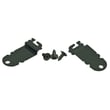
Installation guide
 Owner’s manual
 Error Codes



What is the most common problem with KitchenAid dishwashers?
The most common issue we see with KitchenAid dishwashers like model KDTM704ESS1 is poor cleaning performance (dishes come out with food residue). In most cases, the cause is simple: restricted water flow from a dirty filter or spray arm, loading that blocks spray, or a detergent dispenser problem.
Quick checks that fix most “not cleaning” complaints
- Clean the filter area and remove any debris that can restrict circulation.
- Inspect spray arms for clogs; clear holes with warm water and a soft brush.
- Confirm the spray arms spin freely and are not blocked by tall items.
- Use fresh detergent and verify the dispenser door opens during the cycle.
- Run hot water at the sink until it is hot before starting a cycle.
- Avoid overloading; keep large pans from shielding the lower spray arm.
Parts that commonly affect cleaning
If the basics look good, these model-related parts are frequent culprits:
| Symptom | Likely area | Example part for KDTM704ESS1 |
|---|---|---|
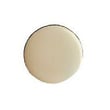
| Detergent still in cup | Dispenser not opening | Dishwasher detergent dispenser W10861000 |
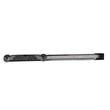
| Grit, poor wash action | Spray pattern or circulation issue | Dishwasher spray arm assembly W10860176 |
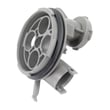
| Cloudy results, odd cycle behavior | Soil sensing issue | Dishwasher turbidity sensor WPW10705575 |
Why it matters
When water flow or spray coverage is reduced, the dishwasher cannot maintain the pressure and circulation needed to remove soil. Fixing the restriction early also helps prevent drain issues and reduces strain on the pump and motor.
Helpful references for this model
- Use the KDTM704ESS1 installation guide to confirm the dishwasher is properly installed (water supply, drain routing, and secure mounting all affect performance).
- If you see a fault code, use KitchenAid microclean he dishwasher error codes to match the code to the most likely cause.
Last updated: February 2026
What are the commonly replaced parts in a dishwasher?
On the KitchenAid KDTM704ESS1 dishwasher, the most commonly replaced parts are the ones that control filling, washing, draining, heating, and door sealing. In day-to-day repairs, we most often see wear, clogs, leaks, or broken rack hardware drive these replacements; the KDTM704ESS1 installation guide also highlights key connection points (water line, drain hose, electrical) that relate directly to common leak and no-fill issues.
Most commonly replaced parts (and what they affect)
- Water fill problems: water inlet valve, supply line fittings
- Not cleaning well: spray arm, pump and motor assembly, turbidity sensor
- Not draining: drain hose, pump, drain path clogs
- Not drying: heating element, rinse aid and venting related issues
- Door won’t close or leaks: door latch, door seals
- Rack issues: dishrack adjusters, rails, tine clips, rollers
Model-relevant examples for KDTM704ESS1
These are examples of parts we commonly replace on this model when symptoms match:
- Dishwasher water inlet valve W11175771 (no fill, slow fill, or fill errors)
- Dishwasher drain hose 8269144A (leaks, poor draining, damaged hose)
- Element assembly W10703867 (poor drying, water not heating)
- Dishwasher door latch WPW10653840 (won’t start because door won’t latch)
- Dishwasher detergent dispenser W10861000 (detergent cup not opening)
Quick symptom-to-part checklist
| Symptom | Most likely area | Common part types |
|---|---|---|
| Won’t fill | Water supply and valve | Inlet valve, supply fittings |
| Won’t drain | Drain path | Drain hose, pump, clogs |
| Poor cleaning | Wash system | Spray arm, pump and motor, sensor |
| Leaks at door | Door sealing | Door seal, latch alignment |
| Door drops or won’t stay balanced | Door balance system | Springs/links/tension |
Why it matters
Replacing the right part first saves time and prevents repeat failures. For example, a “not draining” complaint can be a kinked hose or an installation issue; the install guidance calls out proper drain routing and a high loop/air gap approach, plus a maximum drain hose length (12 ft) and minimum connection height (20 inches above the floor).
Last updated: February 2026
What is the life span of a KitchenAid dishwasher?
A KitchenAid dishwasher like model KDTM704ESS1 typically lasts 10 to 12 years with normal household use and basic maintenance. Lifespan depends most on water quality, loading habits, and keeping the wash system clean; our KDTM704ESS1 installation guide also highlights protecting the unit from freezing.
What affects dishwasher lifespan most
- Hard water and mineral buildup: shortens the life of the pump, heater, and valves.
- Drain and fill issues: repeated poor draining or slow filling strains the motor and controls.
- Overloading or poor loading: blocks spray arms and forces longer, less effective cycles.
- Heat and drying use: heavy heated-dry use increases wear on heating components.
- Basic upkeep: cleaning filters and checking spray arms prevents chronic circulation problems.
Maintenance that adds years (practical checklist)
- Run a monthly cleaning cycle; follow the cleaning guidance in the owner's manual.
- Keep the spray paths clear; remove labels, seeds, and debris from the tub and racks.
- Use rinse aid consistently for better drying and to reduce deposits (especially in hard water).
- Confirm the dishwasher is protected from freezing if it is in a seasonal home or cold area.
- Address leaks early; door seals and hoses that seep can lead to bigger failures.
Common “wear-out” parts vs. what they do
| Symptom you notice | Often involved system | Example part for this model |
|---|---|---|
| Not filling or fills slowly | Water supply / inlet | Dishwasher water inlet valve W11175771 |
| Poor drying or no heat | Heating circuit | Element assembly W10703867 |
| Leaks at the bottom of the door | Door sealing | Dishwasher door seal, lower W10909089 |
Why it matters
Knowing the typical 10 to 12 year lifespan helps you decide whether to maintain and replace common wear parts (like a water inlet valve, heating element, or door seal) or plan for a full replacement when multiple major systems start failing.
Last updated: February 2026
How to fix rubber seal on KitchenAid dishwasher?
On KitchenAid dishwasher model KDTM704ESS1, a loose or leaking rubber seal is usually fixed by fully reseating the gasket into its channel and making sure the door closes evenly. If the seal is torn, hardened, or won’t stay seated, replace it.
Quick fix: reseat the seal correctly
- Turn off power to the dishwasher at the breaker.
- Open the door and inspect the tub opening where the gasket sits.
- Starting at the top center, press the rubber seal into the channel a few inches at a time.
- Work down both sides evenly; do not stretch the gasket.
- Close and latch the door for several hours so the gasket “sets” into position.
For model-specific diagrams and placement details, use the KDTM704ESS1 owner's manual.
If it still leaks: check these common causes
- Food debris or detergent buildup on the tub lip or gasket.
- Door not closing squarely because the dishwasher is not level.
- Door tension out of balance (door drops open or won’t stay open).
- Lower door area leaking because the bottom seal is damaged.
- Spray arm hitting dishes, forcing the door slightly open during wash.
Level and door tension checks (often fixes “seal” leaks)
A gasket can leak even when it looks fine if the door alignment is off.
| What you notice | Likely issue | What to do |
|---|---|---|
| Door falls open or slams shut | Spring tension misadjusted | Adjust both tensioners to the same hole setting |
| Door rubs or looks uneven | Dishwasher not level/centered | Adjust leveling legs until plumb and level |
| Leak at bottom corners | Lower seal worn or misseated | Inspect and replace if deformed |
Installation steps for leveling and door tension are covered in the KDTM704ESS1 installation guide.
Parts that are commonly involved
If you confirm the leak is from the bottom edge of the door, the lower seal is a frequent fix for this model: dishwasher door seal, lower W10909089.
Why it matters
A properly seated door gasket and correct door alignment prevent leaks that can damage flooring and cabinets, and they also help the dishwasher maintain wash pressure for better cleaning.
Last updated: February 2026