Owner’s manual
 Error Codes


What is the life expectancy of a Craftsman garage door opener?
A Craftsman garage door opener typically lasts 10 to 15 years in normal residential use. For the Craftsman 13953990, regular safety checks and basic maintenance help you reach that lifespan and reduce wear on the motor, drive system, and door hardware.
Typical lifespan and what affects it
Most openers wear out from a mix of cycle count (opens/closes), door balance, and environment.
- Daily use: More cycles per day shortens lifespan.
- Door condition: A heavy or unbalanced door overworks the opener.
- Maintenance: Periodic checks improve reliability and safety.
- Heat, cold, and humidity: Temperature swings stress electronics and lubricants.
- Power quality: Surges and outages can damage logic boards.
Maintenance that extends opener life
We recommend following the inspection and maintenance guidance in the owner's manual. Focus on the items that reduce load and prevent nuisance reversals.
- Test the safety reversing system regularly.
- Keep photo eyes aligned and lenses clean.
- Check that the door moves smoothly by hand (with the opener disconnected).
- Tighten visible mounting hardware and rail supports.
- Lubricate door hinges and rollers (avoid getting lubricant on photo eyes).
Replace vs. repair: quick decision guide
Use this as a practical rule-of-thumb when your Craftsman 13953990 starts acting up.
| What you’re seeing | What it usually means | Best next step |
|---|---|---|
| Door reverses or won’t close consistently | Sensor alignment, force/travel settings, door binding | Inspect sensors and door movement; then adjust per manual |
| Loud grinding/clicking from the head unit | Worn drive gear or internal wear | Plan a repair if the unit is otherwise solid |
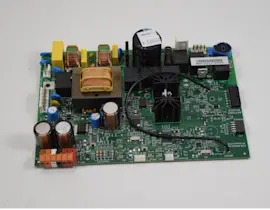
| Intermittent operation, random behavior | Wiring, wall control, or logic board issues | Troubleshoot controls and connections |
| Frequent repeat failures | Multiple worn components or door problems | Consider replacement, especially past 10 years |
Why it matters
A garage door opener that’s near end-of-life can become unreliable and may not consistently respond to safety sensors or force limits. The manual also notes that periodic checks are required to ensure safe operation, which protects your door, opener, and household.
Related troubleshooting help: Craftsman error codes.
Last updated: February 2026
Is it cheaper to repair or replace a garage door opener?
For a Craftsman garage door opener model 13953990, it’s cheaper to repair when the problem is isolated (power issue, safety sensor alignment, force/travel adjustment, wall control wiring, light bulb) and the opener is otherwise reliable. Replace when the opener is older and repairs are frequent, or when the repair cost approaches about half the price of a comparable new opener.
Quick decision guide (repair vs replace)
- Repair if the door won’t close due to sensor alignment or an obstruction (common and usually quick to correct).
- Repair if the opener won’t run because of a tripped breaker, switched outlet, or a motor overload that needs a cool-down period.
- Repair if the remote won’t work but the wall control does (often programming or lock feature related).
- Replace if the motor hums briefly and won’t run repeatedly, or the unit has recurring drive issues after prior repairs.
- Replace if you want newer features (quieter operation, updated controls, better lighting options) and your current opener is already near end-of-life.
What we check first (low-cost fixes)
Start with the same basics covered in the owner's manual:
- Confirm the opener has power (test the outlet with a lamp; check breaker/fuse).
- Make sure all door locks are disabled.
- Clear ice or debris at the floor where the door closes.
- Inspect and align the safety reversing sensors; remove any obstruction.
- If the motor overload trips, wait about 15 minutes and try again.
Cost and value comparison
| Situation | Usually makes sense to | Why |
|---|---|---|
| One clear symptom, no history of breakdowns | Repair | Lowest cost, fastest return to service |
| Door reverses and lights blink after reversing | Repair | Often sensor alignment or travel/force adjustment |
| Door feels heavy or won’t stay at mid-travel when disconnected | Replace springs (service) before opener work | The opener should not be forced to lift an unbalanced door |
| Multiple failures over time, noisy/rough operation | Replace | Better long-term value than repeated repairs |
Why it matters
A garage door opener is designed to move a properly balanced door. When the door is binding, frozen, or out of balance, the opener strains and problems repeat. Fixing the root cause (sensors, travel/force settings, door balance) keeps repair costs low and improves safety.
For troubleshooting steps and symptom-specific checks, use our Craftsman error codes guide alongside the owner's manual.
Last updated: February 2026
Where can I buy Craftsman garage door opener parts?
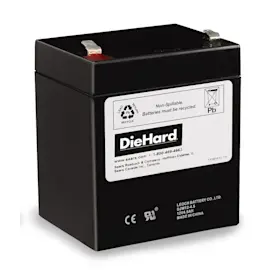
You can buy replacement parts for your Craftsman garage door opener model 13953990 from the model parts list on Sears PartsDirect. Use the model number to match the correct components, then confirm compatibility using the diagrams and part descriptions.
How to find the right part for model 13953990
- Start with the model number 13953990 and match it exactly when searching.
- Identify the symptom first (won’t close, won’t open, remote issues, lights blinking).
- Use the exploded-view diagrams to confirm where the part fits.
- Compare your opener’s features to common included items (remote controls, safety reversing sensors, rail/trolley parts).
- Verify wiring and connector style before ordering (especially for safety sensor wiring).
Common parts people replace on this Craftsman opener
These are frequent wear or failure items on many Craftsman openers like model 13953990:
| Part type | What it affects | Common sign it’s needed |
|---|---|---|
| Safety reversing sensors | Closing safety system | Door won’t close, opener lights blink |
| Remote control / wall control | Command signals | Wall button works but remotes don’t |
| Trolley / rail hardware | Door travel | Motor runs but door doesn’t move smoothly |
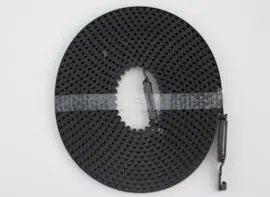
| Chain and drive components | Lifting power transfer | Grinding, slipping, or jerky movement |
Before you order: quick checks that prevent wrong-part purchases
- Unplug the opener before inspecting wiring or controls.
- Confirm the door moves freely by hand (a binding door can mimic opener failure).
- Check sensor alignment and the sensor “line of sight” near the floor.
- Look for loose mounting hardware at the header bracket and rail connection.
- Note any diagnostic light patterns or error indicators.
Use the manual and error-code help to pinpoint the part
The fastest way to buy the correct part is to diagnose first. We recommend checking the owner's manual for your model’s safety checks, adjustment steps, and component identification, then using Craftsman error codes if your opener is signaling a fault.
Why it matters
Ordering by symptom alone often leads to replacing the wrong component. A quick diagnosis (especially for safety sensors, controls, and travel issues) saves time and avoids repeat repairs.
Last updated: February 2026
What are the common problems with Craftsman garage door openers?
The most common problems we see with the Craftsman 13953990 garage door opener are loss of power, remote or wall control issues, safety sensor faults that stop the door from closing, and door balance or spring problems that make the opener strain or hum. The owner's manual lists these symptoms and the correct first checks.
Common symptoms and likely causes
- No operation from wall control or remote: outlet has no power, breaker tripped, or motor overload needs time to reset.
- Remote works but wall control doesn’t: loose or shorted wall control wiring, or a failed wall control.
- Wall control works but remote doesn’t: lock feature is on, remote needs programming, or remote button is stuck.
- Short remote range: antenna not hanging down, interference from metal doors or foil insulation.
- Door won’t close or reverses: safety sensors misaligned, dirty lenses, or an obstruction in the door path.
Quick checks before replacing parts
- Test the outlet with a lamp; then check the circuit breaker and any wall switch controlling the outlet.
- Disable any manual door locks.
- Clean and align the safety sensors; confirm both indicator lights are steady.
- Use the emergency release to disconnect the trolley; move the door by hand to check for binding.
- If the motor hums briefly and stops, check for a locked door or a door that feels heavy.
When the opener strains or hums
A door that is out of balance or has a broken spring makes the opener work at maximum force. Disconnect the trolley and test the door manually; do not increase force settings to push through a door problem.
| Symptom | Most common area | Best first action |
|---|---|---|
| No response | Power supply | Check outlet, breaker, wall switch |
| Won’t close | Safety sensors | Align sensors; clear obstructions |
| Hums, won’t move | Door balance/springs | Manual door test; service door hardware |
Why it matters
Most “opener problems” are actually sensor alignment, wiring, or door hardware issues. Fixing those first prevents nuisance reversals and reduces wear on the motor and drive system.
For blinking-light patterns and diagnostics, use Craftsman error codes.
Last updated: February 2026