Installation guide
 Owner’s manual


Can I search for Whirlpool parts by model?
Yes. For Whirlpool dryer model WGD5620HW0, searching by the full model number is the most accurate way to get compatible replacement parts because it filters results to the exact diagrams and part listings built for your dryer.
How to search by model number (best practice)
- Use the complete model number exactly as shown on the dryer’s model tag: WGD5620HW0.
- Confirm you are shopping in the correct appliance type (dryer, not washer).
- Use the model’s parts diagrams to match the part’s location and description.
- Match the part by part ID (and name), not just by a generic description.
- If multiple versions appear, choose the one that matches your dryer’s configuration.
What you’ll typically find when you search WGD5620HW0
| What you’re looking for | What to match | Example from this model |
|---|---|---|
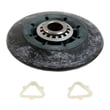
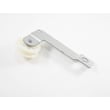
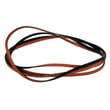
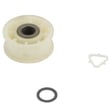
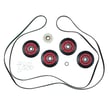
| Noisy drum or thumping | Rollers, idler pulley, repair kit | Dryer drum support roller WPW10314173, dryer idler pulley W10837240 |
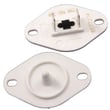
| No heat or overheating symptoms | Thermistor, thermal fuse, radiant sensor | Dryer thermistor WP8577274, thermal fuse W10909685 |
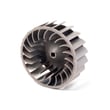
| Poor airflow or weak drying | Blower wheel, ducting checks | Dryer blower wheel WP697772 |
Why it matters
Model-based searching prevents ordering the wrong Whirlpool part that looks similar but mounts differently, uses a different connector, or has a different temperature rating. That saves time, avoids returns, and gets your WGD5620HW0 drying correctly again.
Quick tip before you order
Use the troubleshooting and parts identification sections in the WGD5620HW0 owner's manual to confirm symptoms and locate the correct component before purchasing.
Last updated: February 2026
What's the average lifespan of a Whirlpool dryer?
A Whirlpool dryer typically lasts 10 to 13 years. For your Whirlpool WGD5620HW0, consistent airflow and basic care (lint removal, correct venting, and avoiding overloads) are the biggest factors that keep drying performance strong and help the dryer reach its full service life.
Typical lifespan and what to expect
Most Whirlpool gas and electric dryers fall into a similar life range when used normally.
| Usage pattern | Typical lifespan | What usually wears first |
|---|---|---|
| Light (few loads/week) | 12 to 15 years | Rollers, belt, idler pulley |
| Average (most households) | 10 to 13 years | Thermal fuse events from airflow issues, drum support parts |
| Heavy (daily loads) | 8 to 11 years | Motor, rollers, blower wheel |
Maintenance that extends dryer life
We recommend these habits because they directly reduce heat stress and friction inside the cabinet.
- Clean the lint screen before every load.
- Confirm strong airflow at the outside hood; restricted venting increases run time and heat.
- Use 4-inch venting and keep the run as short and straight as possible.
- Avoid overloading; heavy loads strain the motor, drum rollers, and idler.
- Keep the dryer level so the drum tumbles correctly and sensor cycles work properly.
- If you hear squealing or thumping, service wear parts early (rollers and idler) to prevent bigger damage.
For model-specific care and operating guidance, follow the WGD5620HW0 owner’s manual.
Parts that commonly affect longevity
If your dryer is getting noisy, taking longer to dry, or shutting off from overheating, these are common wear or airflow-related parts for this model family:
- Dryer drum support roller WPW10314173 (worn rollers can cause rumbling and extra motor load)
- Dryer idler pulley W10837240 (squeal, belt tracking issues)
- Dryer blower wheel WP697772 (weak airflow, longer dry times)
- Thermal fuse W10909685 (opens when overheating occurs, often tied to vent restriction)
Why it matters
A dryer that runs with poor airflow or worn drum support parts usually dries slower, runs hotter, and puts more stress on the motor and controls. Fixing airflow and early wear items helps protect the drum, motor assembly, and heating system.
Last updated: February 2026
What are the common problems with Whirlpool dryers?
Common Whirlpool dryer problems (including model WGD5620HW0) are no heat, won’t start, long dry times, unusual noises, and the drum not tumbling. Most issues trace back to airflow restrictions, power or gas supply problems, or normal wear parts in the drum drive system. See the WGD5620HW0 owner's manual for model-specific troubleshooting steps.
Most common symptoms and what they usually mean
- Dryer won’t heat (gas or electric): tripped breaker or blown fuse, incorrect power supply (electric), or gas supply valve closed (gas).
- Dryer runs but takes too long to dry: restricted venting, clogged lint screen, crushed or long vent run.
- Dryer won’t start: power issue, door not fully closed, control setting issue.
- Drum not spinning or squealing/grinding: worn drum support rollers, idler pulley, or blower wheel.
- Thumping or humming noises: flat-spotted rollers after sitting, or steam water pump noise on steam models.
Quick checks we recommend first (fast, no parts)
- Clean the lint screen and confirm strong airflow at the outside vent hood.
- Verify the correct cycle and options are selected (some options can change behavior).
- For gas dryers, confirm the gas supply shutoff valve is fully open.
- For electric dryers, confirm you have full 240 V supply (a dryer can run with no heat if one leg is out).
- If you hear thumping after the dryer sat unused, run it a few minutes; the sound often fades.
Parts that commonly fix noise, no-tumble, or poor airflow complaints
| Symptom | Common wear part | Example part for WGD5620HW0 |
|---|---|---|
| Squealing, rumbling, thumping | Drum support rollers | Dryer drum support roller WPW10314173 |
| Drum won’t turn, belt slips | Idler pulley | Dryer idler pulley W10837240 |
| Loud roaring, weak airflow | Blower wheel | Dryer blower wheel WP697772 |
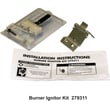
| No heat (gas ignition issues) | Igniter or radiant sensor | Igniter 279311 or dryer radiant sensor WP338906 |
Why it matters
Dryer problems are often airflow or safety related. Good venting helps drying performance and helps prevent overheating conditions that can open protective devices such as a thermal fuse.
Last updated: February 2026