


Where is the model number on a tiller?
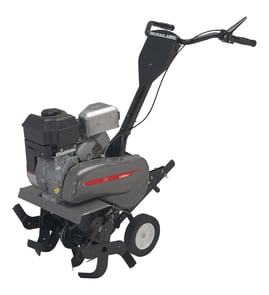
On a Craftsman front-tine tiller like model 917295350, the model number is usually on a printed ID label or metal tag mounted to the frame. The most common spots are near the tine shield/guard, on or near the engine area, or on the front of the unit.
Look for a sticker or tag that includes the model number and sometimes a serial number.
- Along the tine guard (tine shield) near the front tines
- On the main frame rail near the engine mount
- Near the handlebar base where the handles bolt to the frame
- On the front of the tiller frame (facing forward)
- Near the belt/pulley cover area (if equipped)
- Wipe dirt and oil off the frame with a rag; labels are often hidden under grime.
- Use a flashlight and look for a rectangular sticker with small print.
- If the label is missing, check for stamped numbers on the frame near fasteners.
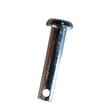
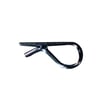
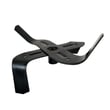
If you cannot read the tag, you can still identify the correct parts by matching what you see on the machine (hardware style, cable routing, and attachment points) to the parts list. For example, the hitch/attachment area may use a spring retainer 532003146 or a tiller clevis pin 532443676 depending on configuration.
The model number ensures you get the right Craftsman tiller parts (like a clutch cable, pulley, or depth stake) because small design changes can affect fit and function.
| What you’re looking for | What it may be labeled as | Why you need it |
|---|---|---|
| Model number | Model, M/N | Matches the correct parts diagrams |
| Serial number | Serial, S/N | Helps identify production version |
| Engine model | Engine model/type/code | Helps with engine-specific parts |
Last updated: January 2026
Who builds Craftsman tillers?
For Craftsman tiller model 917295350, the 917 model prefix is commonly used to identify units built for Craftsman by AYP (American Yard Products), a manufacturer historically associated with Husqvarna. This is why some Craftsman tillers look very similar to comparable Husqvarna-built designs.
We use the model number prefix as the quickest way to narrow down the original manufacturer behind a Craftsman-branded tiller.
- Find the full model number on the ID tag (frame, engine area, or handle support)
- Look at the first three digits (the prefix)
- Match the prefix to the most common Craftsman source manufacturer
- Use the parts list for your exact model to confirm compatibility before ordering
These prefixes are widely used for identification across many Craftsman outdoor power products.
| What you have | What it usually indicates | Why it helps |
|---|---|---|
| Model starts with 917 | Built for Craftsman by AYP (Husqvarna-associated) | Parts layouts and hardware often match AYP patterns |
| Model starts with a different prefix | Built by a different supplier | Parts and assemblies can be very different |
Knowing the builder helps you avoid ordering the wrong belt, cable, or hardware that “looks right” but does not fit your exact Craftsman tiller.
- Cable routing and bracket styles can differ by manufacturer
- Pulley sizes and belt lengths can vary by small but important amounts
- Hardware (pins, retainers, springs) is often model-specific
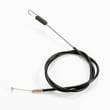
If you are servicing the tine drive or controls on this model, matching by model number is the safest approach; for example, the cbl/cltch t 583731701 is listed for Craftsman 917295350.
For general tiller maintenance and repair steps that apply to many front-tine designs, use our tiller common questions article.
Last updated: January 2026
What tiller is made in the USA?
Some tillers are made in the USA; for example, Mantis tillers are commonly identified as designed, engineered, and manufactured in the United States. If you are shopping for a USA-made tiller, confirm the country of origin on the product label or in the listing details before you buy.
Check these items on the specific unit you are considering:
- The data plate or product label on the tiller frame (often near the engine mount or handle support)
- The carton label if the tiller is new in box
- The manufacturer’s “country of origin” statement for that exact model
- The engine brand and model (engine origin can differ from the tiller’s assembly origin)
- Replacement parts sourcing (helpful clue, but not proof of final assembly location)
Your Craftsman front-tine tiller model 917295350 is a specific model family where parts support matters more than the build location when you are maintaining it. If you are repairing or tuning performance, start with the wear items and linkage hardware that commonly affect operation.
Here are a few parts we often see involved in basic service and adjustments:
| What you’re checking | Where to look | Why it helps |
|---|---|---|
| Made in USA (origin) | Product label, carton, listing details | Confirms manufacturing/assembly location |
| Parts availability | Model-specific parts list | Helps keep the tiller running long-term |
| Serviceability | Common wear parts and adjustments | Reduces downtime during the season |
Country of origin can be important for preference and sourcing, but for day-to-day ownership, reliable parts availability (cables, pulleys, depth control hardware) is what keeps a front-tine tiller working safely and consistently.
Last updated: January 2026
What are common tiller problems?
Common problems on the Craftsman 917295350 front-tine tiller include hard starting, rough running or surging, tines that will not engage, weak tilling performance, and drive issues caused by belt, cable, or linkage wear. Most fixes start with fuel, ignition, and a quick drive-system inspection.
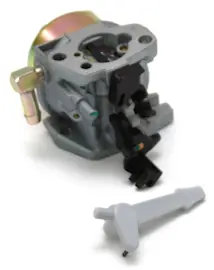
- Engine will not start: stale fuel, dirty carburetor, fouled spark plug, or a safety/control issue
- Engine surges or hunts at idle: partially clogged carburetor, air leak, or old fuel
- Engine stalls when engaging tines: belt dragging, cable out of adjustment, or tines bound by debris
- Tines will not turn: drive belt worn or off, clutch cable stretched, idler not tensioning
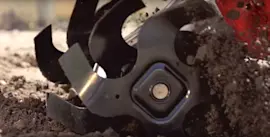
- Poor tilling (skips, bounces, shallow cut): worn tines, depth stake set too shallow, soil too wet/compacted
- Drain old fuel and refill with fresh fuel (and correct oil level).
- Inspect the tine area for string, roots, or rocks binding the shaft.
- Check belt tension and engagement travel at the handle.
- Look for loose hardware at brackets and linkages.
- Confirm the depth setting is appropriate for the soil.
These are examples of parts on this model that can contribute to engagement and drive issues:
| Symptom | What to inspect | Example part on this model |
|---|---|---|
| Tines will not engage or slip | Clutch cable adjustment, fraying, stretch | Cbl/cltch t 583731701 |
| Belt squeal or inconsistent drive | Pulley wear, wobble, debris in pulley groove | Pulley 592642101 |
| Weak tilling depth control | Bent or worn depth stake, loose mounting | Depth stake 532446066 |
A front-tine tiller depends on correct belt tension and smooth cable/linkage movement. When the clutch cable or pulley is worn, the belt cannot transfer power consistently, which shows up as stalling, slipping tines, or poor tilling.
Last updated: January 2026