 Installation guide
 Owner’s manual
 Error Codes



Can a clogged drain cause an FTD error?
Yes. On the GE GDT665SFN0DS dishwasher, an FTD (fail to drain) error commonly happens when water cannot leave the tub because the drain path is restricted, such as a clogged air gap, blocked disposer connection, kinked drain hose, or a plugged filter area. See the GDT665SFN0DS owner’s manual for drain and air gap cleaning guidance.
What to check first (fast, no parts)
- Cancel the cycle so the dishwasher starts draining, then listen for the drain pump running.
- Check the sink side first: if the kitchen sink drains slowly, the dishwasher can back up too.
- If you have an air gap, remove the cover and clean it (a clog here is a common cause of poor draining).
- If the dishwasher drains into a garbage disposer, make sure the disposer inlet plug was removed.
- Inspect the drain hose for kinks or crushing behind or under the dishwasher.
- Confirm the drain hose routing is correct (high loop or air gap as required). Use the GDT665SFN0DS installation guide for the proper drain line setup.
When a clog is not the only issue
If the drain path is clear but the unit still will not pump out, the problem often shifts from “blocked” to “not pumping.” These checks help narrow it down:
| What you notice | Most likely cause | What we recommend |
|---|---|---|
| Hums but drains slowly or not at all | Partial blockage at hose, air gap, or disposer | Clear the restriction and re-test drain |
| No drain sound when canceling | Drain pump not running | Check power, then consider replacing the pump |
| Drains sometimes, then shows FTD | Intermittent restriction or control sensing issue | Recheck hose routing; inspect for debris; consider sensor/pump diagnosis |
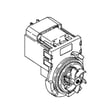
A failed drain pump can also trigger drain errors. If you need the replacement for this model, use the dishwasher drain pump WD19X25461.
Why it matters
A restricted drain can leave standing water in the bottom of the tub, cause odors, and reduce cleaning performance. Clearing the drain path also prevents repeat FTD errors and helps the dishwasher complete cycles normally.
Last updated: February 2026
Is GE profile considered high end?
Yes. GE Profile is GE’s higher-end tier compared with standard GE models, and it typically adds more premium features, finishes, and tech. Your GE dishwasher model GDT665SFN0DS is covered in a manual that includes GE Profile series products, so it fits within that more feature-forward family. See the GDT665SFN0DS owner's manual for the exact series coverage and feature set.
Where GE Profile fits in the GE lineup
GE generally positions its brands in tiers; GE Profile sits above standard GE and focuses on upgraded performance and convenience features.
- More advanced wash options and cycle customization
- More premium styling and control layouts
- More tech-forward features (varies by model)
- Quieter operation is common in this tier (varies by model)
- More “upgrade” parts and assemblies compared with entry models
What “high end” means for dishwashers
“High end” usually refers to a combination of cleaning performance, noise level, drying performance, and convenience features.
| What you care about | What to look for on GDT665SFN0DS | Where to confirm |
|---|---|---|
| Cleaning power | Spray coverage, pump performance, filtration | GDT665SFN0DS owner's manual |
| Drying results | Heated dry options, venting, rinse aid use | GDT665SFN0DS owner's manual |
| Reliability | Proper fill, wash, drain, and door sealing | GDT665SFN0DS installation guide |
| Diagnostics | Error codes and service indicators | GE electronic dishwasher error codes |
Why it matters
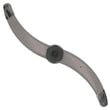
Knowing the tier helps you set expectations for cycle time, noise, and features, and it also helps when choosing replacement parts. For example, if you are troubleshooting wash performance, parts like the dishwasher spray arm, lower WD22X33499 can be directly tied to cleaning results.
Last updated: February 2026
Is it worth fixing a GE dishwasher?
Yes, it’s usually worth fixing a GE dishwasher like model GDT665SFN0DS when the unit is under 10 years old and the repair is a common, mid-cost failure (drain, wash, latch, or heating). If the repair approaches half the cost of a new dishwasher, replacement makes more sense.
Quick decision checklist
- Choose repair when the dishwasher is under 10 years old and has been reliable.
- Choose repair when the problem is one clear symptom (won’t drain, won’t start, not cleaning).
- Choose repair when the fix is a single part (not multiple systems).
- Choose replacement when you have repeated breakdowns in the last 12 to 24 months.
- Choose replacement when the estimate is near 50% of a new unit.
- Choose replacement when the tub or door structure is damaged and leaking.
Typical repairs that are often worth it on GDT665SFN0DS
Many “no run” or performance issues come down to power, door closure, draining, or water circulation. We recommend using the troubleshooting steps in the GDT665SFN0DS owner’s manual first.
Common part-related examples:
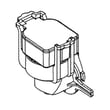
- Won’t start or stops mid-cycle: check door closure and consider the door latch lock WD21X10490
- Not draining: inspect the drain path and consider the dishwasher drain pump WD19X25461
- Not cleaning well: check filters and spray action; a worn arm like the dishwasher spray arm, lower WD22X33499 can reduce wash coverage
Cost-to-value guide
| Situation | Usually best choice | Why |
|---|---|---|
| One failed part, otherwise reliable | Repair | Restores function at a predictable cost |
| Multiple symptoms (drain + heat + control issues) | Replace | Stacked repairs add up quickly |
| Frequent service calls over time | Replace | Reliability and downtime become the bigger cost |
| Simple “won’t run” caused by power/lock/start sequence | Repair (diagnosis first) | Often no parts needed |
Why it matters
Dishwashers are water-heating appliances and rely on correct electrical supply and safe installation practices. The manual calls for a properly grounded 120V, 60Hz, 15A or 20A circuit and notes that some installations use a wall switch that must be on. Confirming basics first prevents unnecessary parts replacement.
If you’re deciding based on an error code
Use the GE electronic dishwasher error codes reference to match the code to likely causes (for example, fill, drain, or heating issues) before pricing parts.
Last updated: February 2026
What is the average lifespan of a GE dishwasher?
A GE dishwasher like model GDT665SFN0DS typically lasts 10 to 12 years. With consistent care (cleaning, correct detergent, and fixing small leaks or drain issues early), many units reach the upper end of that range.
Typical lifespan range (what to expect)
Most residential dishwashers fall into a predictable window based on use and upkeep:
- Average: 10 to 12 years
- Common overall range: 8 to 15 years
- Shorter life drivers: hard water buildup, frequent heavy loads, poor draining, repeated overheating
- Longer life drivers: regular cleaning, good water quality, prompt part replacement (spray arms, pumps, seals)
| Usage pattern | What we typically see | Practical takeaway |
|---|---|---|
| Light use (few loads/week) | Longer lifespan | Keep seals and interior clean |
| Average family use | 10 to 12 years | Maintain monthly and address symptoms early |
| Heavy daily use | Shorter lifespan | Watch for pump, heater, and drain wear |
Maintenance that extends life
These habits reduce wear on the wash system, heater, and seals:
- Clean and de-odorize the interior periodically (citric acid or dishwasher cleaner)
- Keep spray paths clear; remove debris that can block wash action
- Use dishwasher detergent and rinse aid intended for automatic dishwashers
- Avoid overloading; proper loading improves cleaning and reduces rewash cycles
- Address slow draining quickly to prevent pump strain
For GE care and cleaning steps specific to this platform, use the GDT665SFN0DS owner’s manual.
When “end of life” is really a repairable issue
Many “old dishwasher” symptoms are caused by a few common parts, not the tub itself:
- Not draining or standing water: check the drain path and consider the dishwasher drain pump WD19X25461
- Poor cleaning: inspect spray arms for cracks or clogs
- Leaks at the door: inspect the tub gasket and door sealing surfaces
Why it matters
Knowing the expected lifespan helps you decide whether to maintain, repair, or replace. If your GDT665SFN0DS is near the 10 to 12 year mark, proactive cleaning and quick fixes often prevent bigger failures in the wash pump, heater circuit, or drain system.
Last updated: February 2026
What is the most common problem with GE dishwashers?
The most common GE dishwasher problems (including model GDT665SFN0DS) are not draining, not starting, and poor cleaning. In many cases, the fix is basic: restore power, confirm the water valve is on, clean the filter area, and make sure the door closes and latches fully per the GDT665SFN0DS owner's manual.
Most common issues and what we check first
- Dishwasher won’t run: tripped breaker, wall switch off, control lock enabled, or the Start sequence not followed.
- Not draining: drain path restriction (filter/sump area), drain hose routing, or a weak drain pump.
- Poor cleaning: spray arm blockage, overloaded racks, or detergent cup blocked by tall dishes.
- Suds/foaming: wrong detergent (hand dish soap) or rinse aid spill.
- Door won’t start cycle: door not firmly closed or latch not engaging.
Quick troubleshooting steps (in order)
- Confirm power: reset the breaker or replace the fuse; check any wall switch that feeds the dishwasher.
- Confirm water supply: make sure the shutoff valve under the sink is fully open.
- Close the door firmly: a door that is not fully shut can prevent the cycle from starting.
- Check for suds: use only automatic dishwasher detergent; suds can interrupt washing and draining.
- Inspect the drain path: verify the drain hose is not kinked and the sink/disposer connection is clear.
Parts that commonly solve these symptoms on GDT665SFN0DS
| Symptom | Common part to inspect | What it affects |
|---|---|---|
| Won’t start | GE dishwasher door latch lock WD21X10490 | Confirms the door is closed so the control will run |
| Not draining | Dishwasher drain pump WD19X25461 | Pumps water out at the end of wash and during drain |
| Poor wash pressure | GE dishwasher pressure sensor WD21X25468 | Helps the dishwasher manage water level and wash performance |
Why it matters
Drain, latch, and wash-pressure problems can look like a “bad control board,” but they often come from a simple door-latch issue, a restricted drain path, or a wash system component that is not moving water correctly. Following the checks in the manual prevents unnecessary part replacement.
Last updated: February 2026





