Installation guide
 Owner’s manual
 Error Codes



How big is the KitchenAid KSSC48FTS02?
The KitchenAid KSSC48FTS02 built-in side-by-side refrigerator is a 48-inch class unit. Installed dimensions are approximately 48 1/4 in. wide (trim edge to trim edge), 83 3/8 in. high (with leveling legs set just below the rollers), and 25 3/8 in. deep from the front of the top grille to the back of the cabinet; see the installation guide for the exact fit details.
Key dimensions and clearances
- Width (trim edge to trim edge): 48 1/4 in. (122.6 cm)
- Height: 83 3/8 in. (211.8 cm)
- Depth (grille to back of cabinet): 25 3/8 in. (64.5 cm)
- Door swing clearance: doors must open at least 90°
- Corner clearance: allow 4 1/2 in. minimum between the side of the refrigerator and a corner wall
- Side tipping radius (for moving into place): 96 in. (243.8 cm)
Quick reference table
| Measurement | KSSC48FTS02 spec | Notes |
|---|---|---|
| Width | 48 1/4 in. | Measured trim edge to trim edge |
| Height | 83 3/8 in. | With leveling legs extended 1/8 in. below rollers |
| Depth | 25 3/8 in. | From front of top grille to back of cabinet |
| Side tipping radius | 96 in. | Tip on side only when moving |
Why the “48-inch” size matters
Built-in refrigerators like the KSSC48FTS02 are sized around the cabinet opening and trim. Getting the width, height, depth, and door-swing clearance right prevents installation issues such as doors hitting walls, trim not sitting flush, or inadequate ventilation.
Installation tip that prevents damage
- Keep doors taped closed until the refrigerator is fully installed
- Use two or more people to move and install the refrigerator
- Confirm the opening is square and level before final placement
Last updated: February 2026
What is the best brand for a side-by-side refrigerator?
KitchenAid is a top choice when you want a premium, built-in side-by-side refrigerator with long-term durability and strong fit-and-finish; for the best brand overall, we match the brand to your priorities (reliability, serviceability, features, and budget). For your KitchenAid built-in model KSSC48FTS02, the owner's manual is the best place to confirm which features and configurations you have.
How we define “best” for a side-by-side refrigerator
“Best” usually comes down to a few practical factors that affect day-to-day ownership:
- Reliability and lifespan (sealed system, fans, controls)
- Parts availability (water filter, ice maker, sensors, control boards)
- Ease of service (access to fans, condenser area, door seals)
- Water and ice performance (filtering, flow rate, ice production)
- Fit and installation needs (built-in vs freestanding, panel-ready vs stainless)
Brand guidance (what each brand is typically best at)
Here’s a quick, customer-friendly way to compare common side-by-side refrigerator brands:
| Brand | Typical strengths | Best for |
|---|---|---|
| KitchenAid | Premium build, built-in options, strong design | Built-in kitchens, long-term ownership |
| GE | Broad lineup, good value, widely serviced | Mainstream features and value |
| LG | Feature-rich, often high owner satisfaction | Modern features and convenience |
| Samsung | Strong features and styling in many lines | Design-forward kitchens and features |
| Whirlpool / Frigidaire | Solid mainstream options | Budget-to-midrange replacements |
Why your refrigerator type matters (built-in vs freestanding)
Your KSSC48FTS02 is a KitchenAid built-in side-by-side. Built-in units prioritize flush installation, cabinetry integration, and premium components, so “best brand” often means the brand that supports built-in ownership well over time.
What to prioritize on a built-in side-by-side
- Confirm the exact installation requirements in the installation guide
- Plan for routine maintenance (condenser cleaning, door seal checks)
- Keep water quality consistent to reduce dispenser and ice maker issues
Parts and maintenance that keep performance “best” over time
Even the best brand performs poorly with restricted water flow or weak airflow. For this model, two high-impact maintenance items are:
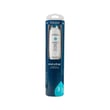
- Replace the water filter on schedule using the correct refrigerator water filter EDR3RXD1
- Address airflow noises or warm temps promptly (evaporator fan, condenser fan, temperature sensor)
Helpful DIY reading
Why it matters
Choosing the “best” brand is really choosing the lowest-hassle ownership for your kitchen. When you align brand strengths with your needs (built-in fit, water and ice, serviceability), you get better temperature stability, fewer leaks and clogs, and longer component life.
Last updated: February 2026
What's the average lifespan of a KitchenAid refrigerator?
Most KitchenAid refrigerators last 12 to 15 years on average, and 10 to 17 years is a normal real-world range. For a built-in model like KitchenAid KSSC48FTS02, lifespan depends most on condenser cleanliness, door seal condition, and how hard the sealed system and fans have to work; see the owner's manual for care and maintenance details.
Typical lifespan and what to expect
Built-in refrigerators are designed for long service, but they also run hotter and longer if airflow is restricted or seals leak.
- Average lifespan: 12 to 15 years
- Common range: 10 to 17 years
- Often replaced sooner because of: costly sealed-system repairs, control issues, or cosmetic wear
What matters most for longevity
Maintenance habits that extend life
- Keep the condenser area clean and unobstructed (dust buildup raises compressor heat).
- Make sure doors close fully every time; avoid overloading door bins and shelves.
- Replace the water filter on schedule to maintain flow and reduce strain on the dispenser system.
- Keep temperatures stable (avoid frequent setting changes and long door-open times).
- Fix unusual noises early (fan blades rubbing, failing fan motor, or ice buildup).
Parts that commonly affect performance over time
If cooling gets weak, temperatures swing, or you hear loud fan noise, these model-compatible parts are often involved:
| Symptom | Common cause | Example part for KSSC48FTS02 |
|---|---|---|
| Warm fridge or freezer, noisy airflow | Evaporator fan issue | Refrigerator evaporator fan motor W11671461 |
| Temps fluctuate, food freezing or warming | Sensor (thermistor) drifting | Refrigerator temperature sensor WP2188820 |
| Poor ice production or no ice | Ice maker wear | Refrigerator ice maker WPW10277450 |
Why it matters
A refrigerator that is running hot, leaking air at the gasket, or struggling to move air will cycle longer. That extra runtime accelerates wear on the compressor, fans, and controls, which shortens overall lifespan.
Last updated: February 2026