Installation guide
 Owner’s manual
 Error Codes


Does my Kenmore top load washer have a filter?
Yes; Kenmore top-load washer model 11022532511 uses inlet valve screens and internal drain-pump filtering rather than a simple, user-accessible “lint filter” like some older washers. For routine care, follow the cleaning and maintenance steps in the 11022532511 owner's manual.
Most filtering happens in two places:
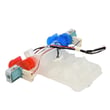
- Water inlet valve screens: tiny mesh screens where the hot and cold hoses connect; they catch sediment.
- Drain system: the pump and hoses can trap coins, hair pins, and lint; restrictions here act like a “filter.”
- Washer tub and basket: residue buildup is controlled with regular cleaning cycles.
- Unplug the washer.
- Turn off both water faucets.
- Remove the hot and cold fill hoses from the washer.
- Inspect the small screens in the inlet ports; rinse debris away (do not puncture the mesh).
- Reconnect hoses, turn water on, and check for leaks.
- Slow fill or long fill times
- Hot or cold water seems weak
- Poor rinsing or inconsistent water temperature
If the washer drains slowly, leaves water behind, or sounds like it is struggling to pump out, check for restrictions in the drain path.
- Confirm the standpipe or laundry tub is not backing up
- Check the drain hose for kinks or crushing
- Look for small items that may have migrated into the drain system
- If the pump is noisy or not moving water, the washer drain pump W10919003 is a common repair part for this model
| Symptom | Most likely “filter” area | What to check first |
|---|---|---|
| Slow or no fill | Inlet valve screens | Screens at hose connections |
| Poor rinse | Inlet screens or oversudsing | Screens, then detergent amount |
| Slow drain / standing water | Drain pump / drain hose | Hose routing, then pump |
Keeping inlet screens clear and the drain path unobstructed helps prevent fill errors, weak rinsing, and drain problems. Regular monthly cleaning cycles also reduce odor-causing residue buildup (as outlined in the manual).
Last updated: February 2026
How to do a hard reset on a Kenmore washer?
A “hard reset” on your Kenmore washer model 11022532511 is usually a simple power cycle: unplug the washer for 1 minute, then plug it back in and start a cycle. This clears many temporary control glitches without changing any settings in the cycle guide.
- Press START/PAUSE/Unlock Lid to stop the cycle.
- Wait for the lid to unlock (it can take seconds to minutes if the basket was spinning fast).
- Unplug the washer (or switch the breaker off) for 1 full minute.
- Plug it back in (or turn the breaker on).
- Select a cycle and press START/PAUSE/Unlock Lid to test operation.
For button behavior, lid locking, and normal pauses during sensing/spin, follow the 11022532511 owner's manual.
These checks solve the most common “won’t run” complaints on this style of Kenmore top-load washer:
- Confirm the outlet has power; reset the breaker or replace a blown fuse.
- Make sure the lid is fully closed; the washer will not run with the lid open.
- Avoid extension cords; plug into a grounded 3-prong outlet.
- Redistribute the load if it is tightly packed; then close the lid and press START/PAUSE/Unlock Lid.
- Do not add extra water; use Deep Fill or a higher-fill cycle (such as Jeans/Towels) instead.
| Symptom | Reset helps most when | More likely cause if it returns |
|---|---|---|
| Washer stops mid-cycle | Control got “stuck” during sensing/pause | Load out of balance, lid not closing, power issue |
| Lid will not open | Basket is still moving | Normal lid-lock timing during high-speed spin |
| Won’t fill or run | Temporary control glitch | Electrical supply, lid lock problem |
A power-cycle reset is the safest first step because it restores normal control-board operation without forcing diagnostic modes. It also helps you confirm whether the issue is a one-time glitch or an ongoing problem like lid lock timing, power supply, or load balance.
Last updated: February 2026
How to identify a Kenmore washer model?
You can identify your Kenmore washer model by finding the model and serial tag on the washer cabinet. On Kenmore model 11022532511, the tag is typically on the top edge of the cabinet, behind the control panel, or on the cabinet side near the bottom; some washers also place it in the lid or door opening. For exact label locations and examples, use the 11022532511 owner's manual.
Check these common spots first (wipe dust off the label so the numbers are readable):
- Under the lid on the top rim of the cabinet (top-load washers)
- On the back of the control console or behind the control panel area
- On the left or right side of the main cabinet near the bottom front
- On the rear panel of the washer cabinet
- Near the lid opening (top-load) or door jamb (front-load)
Record both the model number and serial number; we use them to match the correct parts list, diagrams, and installation requirements.
| What you find | Example format | Why it matters |
|---|---|---|
| Model number | 11022532511 | Ensures parts fit your exact Kenmore washer |
| Serial number | Letters + numbers | Helps confirm production series and compatible revisions |
- Copy the full model number exactly as printed; do not drop digits.
- If the label is worn, take a clear photo and zoom in.
- Use the model number (not the cycle name like “Normal” or “Heavy Duty”) when ordering parts.
- If you are installing or moving the washer, keep the model and serial info with your install notes; the installation guide includes spaces to record them.
Kenmore washers often share similar cabinets and controls across multiple series. Using the exact model number (like 11022532511) prevents ordering the wrong lid lock, actuator, drive belt, or control board.
Last updated: February 2026
Is it worth repairing a Kenmore washing machine?
Yes, it’s usually worth repairing a Kenmore washer when the fix restores reliable operation for less than the cost of replacement. For Kenmore model 11022532511 (a top-loading high efficiency washer), many common failures involve serviceable parts like the drive system, lid lock, or drain components; start with the troubleshooting and maintenance guidance in the 11022532511 owner's manual.
We use a simple cost-and-condition check:
- Repair cost vs. replacement cost: if the repair is clearly cheaper, repair wins.
- Type of failure: wear parts (belt, pulley, lid lock) are typically straightforward.
- Overall condition: rusted cabinet, chronic leaks, or repeated breakdowns push toward replacement.
- Performance symptoms: no spin, won’t drain, or won’t start often trace to a single part.
- Detergent and care habits: this HE washer is designed for HE detergent only, and correct use helps prevent long-term issues.
These are frequent, “high-impact” fixes on top-load HE Kenmore 110-style washers:
- No spin or weak spin: inspect the washer drive belt WPW10006384 and whirlpool washer drive pulley W10721967
- Lid won’t lock or cycle won’t start: check the washer lid lock W11307244
- Won’t drain or drains slowly: inspect the washer drain hose W11244231 and pump area
- Loud banging or excessive vibration: suspension/damper wear is common over time
| Situation | Typical recommendation | Why |
|---|---|---|
| Single failed wear part (belt, pulley, lid lock) | Repair | Low parts cost, strong reliability gain |
| Drain issue caused by hose/pump obstruction | Repair | Often a simple correction or part swap |
| Multiple major failures at once (gear case + control + tub leak) | Replace | Costs stack quickly |
A targeted repair keeps a solid Kenmore washer running for years and avoids replacing an appliance over a single failed component. Using the correct HE detergent and following the care steps in the manual also reduces cycle problems and buildup over time.
Last updated: February 2026
What is the UL code on the Kenmore Elite Oasis HE washer?
The UL code on a Kenmore Elite Oasis HE top-load washer indicates the washer detected an unbalanced load and stopped or limited the spin to protect the basket and drive system. On Kenmore model 11022532511, correcting load balance and leveling usually clears UL.
- Pause the cycle and open the lid.
- Redistribute items evenly around the wash plate (avoid one heavy item by itself).
- Remove some items if the tub is tightly packed.
- Run a Drain/Spin (or Spin) cycle after rebalancing.
- Confirm the washer sits solidly on the floor; adjust leveling feet if it rocks.
- Wash bulky items (blankets, comforters) one at a time or with a few small towels to help balance.
- Use the correct cycle for bulky loads; higher spin speeds are more sensitive to imbalance.
- Use only HE detergent; excess suds can interfere with proper tumbling and load distribution.
Use the setup steps in the installation guide to verify the washer is level and stable. A washer that is slightly out of level can trigger UL more often, especially during high-speed spin.
If the washer is level and loads are balanced but UL keeps returning, worn drive or suspension components can make the tub more likely to go out of balance.
| Symptom you notice | Common area to inspect | Example model-matched part |
|---|---|---|
| Tub bangs, excessive vibration | Suspension/dampening | Damper assembly W10780045 |
| Squeal, slipping during spin | Belt and pulley | Washer drive belt WPW10006384 |
| Poor spin performance, grinding | Drive hub/drive block area | Washer drive block WP389140 |
When UL stops the spin, clothes stay wet and the washer can shake or bang. Fixing balance and leveling protects the spin basket, gear case, and drive system, and helps the washer reach full spin speed.
For cycle and operating tips specific to this Kenmore washer family, we also recommend checking the owner's manual.
Last updated: February 2026
What is the life expectancy of a Kenmore washer?
Most Kenmore washers, including the Kenmore 11022532511 top-loading high efficiency washer, have a typical life expectancy of 10 to 15 years with normal household use and basic maintenance. Consistent overloading, poor leveling, and skipped cleaning shorten that lifespan.
- Load size and frequency: fewer oversized loads means less strain on the drive system.
- Proper detergent: this model is designed for HE (high efficiency) detergent; using non-HE can cause excess suds and extra wear.
- Leveling and floor stability: reduces vibration that can damage suspension and bearings.
- Drain and fill health: slow draining or weak filling makes the washer work harder each cycle.
- Timely part replacement: replacing wear items early prevents bigger failures.
- Use only HE detergent and measure carefully.
- Keep the lid closed during operation; don’t leave it open mid-cycle.
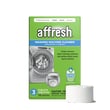
- Run a monthly cleaning cycle (or a hot cycle with washer cleaner) to reduce residue.
- Check hoses for bulges or leaks and clean inlet screens if fill is slow.
- Re-level the washer if it starts shaking or walking.
| Symptom | Common wear area | Example part for this model |
|---|---|---|
| Squealing, slipping, weak spin | Belt and pulley | Washer drive belt WPW10006384 |
| Won’t shift, agitation/spin issues | Actuator | Washer actuator W10913953 |
| Loud banging, off-balance movement | Suspension/dampers | Damper assembly W10780045 |
A washer that is maintained and kept level typically reaches the full 10 to 15-year range; ignoring vibration, oversudsing, or slow draining often turns a small repair into a major drive or tub issue. For model-specific use and care details, follow the 11022532511 use and care guide.
Last updated: February 2026
Who makes Kenmore replacement parts?
Kenmore is a brand name, so replacement parts for Kenmore washer model 11022532511 are typically manufactured by the original equipment manufacturer (OEM) that built the washer and its components, then sold under Kenmore part sourcing. For the most accurate part identification, we match parts by your model number and the diagrams in the 11022532511 owner's manual.
Even if a part is listed as “Kenmore,” the actual manufacturer can vary by component (drive system, controls, water valves, lid lock). The key is fit and compatibility for model 11022532511.
- Always search and order by the full model number: 11022532511
- Use the exploded-view diagrams to confirm the exact part location and version
- Compare the part ID and description, not just the brand name on the listing
- If a part has been updated, use the replacement part ID shown for your model
- Keep your serial number handy for production changes within the same model
Here are a few parts for Kenmore 11022532511 that are commonly replaced; these are listed by part ID for accurate matching:
| What it affects | Example part on this model | What you may notice |
|---|---|---|
| Agitation or spin drive | Washer actuator W10913953 | Won’t shift, weak spin, cycle issues |
| Draining | Washer drain pump W10919003 | Won’t drain, humming, water left in tub |
| Lid safety and locking | Washer lid lock W11307244 | Lid won’t lock, won’t start or spin |
Kenmore sourcing can vary, but your washer still needs the correct OEM-designed component for proper fit, safe operation, and cycle performance. Using the model-specific diagrams and part IDs prevents ordering a look-alike part that will not mount or connect correctly.
Last updated: February 2026