Owner’s manual
 Error Codes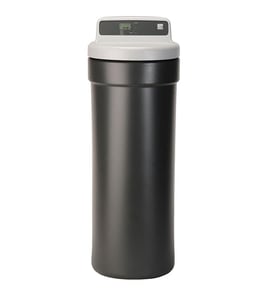


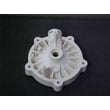

What is the average life expectancy of a water softener?
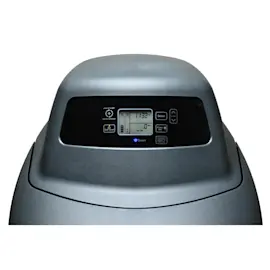
Most water softeners last 10 to 15 years. With consistent maintenance, a Kenmore water softener like model 6253485500 commonly reaches that range, and key wear items (seals, rotor/disc, nozzle/venturi) can be serviced to keep performance strong longer; see the 6253485500 owner's manual for care details.
Typical lifespan and what affects it
A water softener’s life is mainly driven by water conditions and how well the unit is maintained.
- Water hardness and iron content: harder water and iron increase workload
- Salt quality and storage conditions: humid areas can cause salt bridging
- Maintenance habits: keeping the brine tank clean and salt level adequate
- Water pressure and flow rate: extremes can stress valves and seals
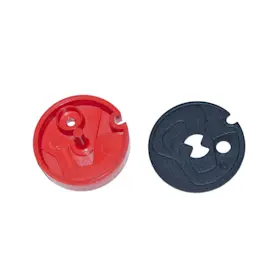
- Part wear: seals, rotor/disc, and nozzle/venturi are common service items
Maintenance that extends life
These steps reduce strain on the valve and resin system and help prevent “no soft water” complaints.
- Keep salt above the minimum level; avoid letting the tank run empty
- In humid areas, keep the salt tank about half full and refill more often
- Break up salt bridges and remove salt mush when you see it
- Use the timer’s extra recharge feature after unusually heavy water use
- Avoid overusing salts with iron-removing additives if you notice accelerated corrosion or odors
Common “wear parts” vs. major components
| What wears out first | What it can cause | Example part for 6253485500 |
|---|---|---|
| Valve seals | Leaks, poor regeneration, hard water | Kenmore water softener seal kit 7129716 |
| Nozzle/venturi parts | Weak brine draw, incomplete regeneration | Nozzle kit 7187772 |
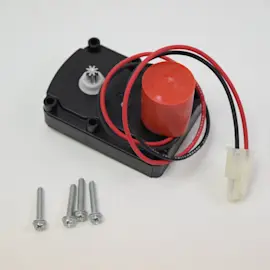
| Rotor position sensing | Stalling cycles, error codes, wrong valve position | Waterworks water softener rotor position switch 7030713 |
Why it matters
A softener near end-of-life often shows up as higher soap use, spotting on dishes, scale buildup, or frequent manual recharges. Replacing a few high-wear parts on time can restore normal regeneration and delay major repairs.
Last updated: January 2026
What water softeners do plumbers recommend?
Plumbers typically recommend water softeners built around proven control valves and easy-to-service internals; for many homes, that means Fleck-based systems and established brands like Culligan. If you already own a Kenmore 6253485500, keeping it properly set up and maintained often delivers the reliability plumbers want. See the 6253485500 owner's manual for your unit’s operating limits and setup steps.
What plumbers usually look for (and why)
A plumber’s “recommended” softener is usually the one that is predictable to install, diagnose, and repair.
- Correct sizing for your hardness level and household water use
- A dependable metered control valve (demand regeneration)
- Easy access to common wear parts (seals, rotor/disc, venturi)
- Clear troubleshooting and error-code support
- Proper freeze protection and correct drain/brine connections
Quick comparison: what matters most
| What you’re comparing | What plumbers prefer | Why it matters |
|---|---|---|
| Valve design | Proven, serviceable valve | Faster repairs, fewer repeat failures |
| Regeneration type | Demand (metered) | Uses less salt and water than fixed schedules |
| Salt type | Nugget or pellet salt | Reduces clogs and performance issues |
| Support | Clear manuals and parts availability | Easier DIY and pro service |
How to get “plumber-level” reliability from your Kenmore 6253485500
Your Kenmore softener is designed to remove hardness minerals and “clear water” iron up to the limits listed in the manual; it is not a water purifier. For best performance:
- Use nugget or pellet water softener salt (avoid rock salt sediment)
- Keep the brinewell cover in place before adding salt
- In humid areas, keep the salt tank about half full to reduce salt bridging
- Protect the unit and piping from freezing (freeze damage is preventable)
- If you see an error code on the display, follow the troubleshooting guidance
If you’re chasing a “no soft water” complaint, a common service item is the valve sealing surfaces; the Kenmore water softener seal kit 7129716 is one of the key repair kits used to restore proper valve sealing.
Why it matters
A “recommended” softener is less about the logo and more about correct sizing, correct salt, and a valve that can be serviced quickly. Those factors directly affect water hardness, salt usage, and downtime.
Last updated: January 2026
How long does a 40 lb bag of water softener salt last?
For a Kenmore 6253485500 water softener, a 40 lb bag of salt typically lasts about 4 to 6 weeks in an average home; it can be shorter with very hard water, higher water use, or iron in the supply. Use the low-salt monitor and refill before the tank runs low.
What changes how fast you use salt
Salt use is driven by how often the softener regenerates (recharges) and how much salt it uses per recharge.
- Water hardness (gpg): harder water means more frequent regeneration
- Household water use: more gallons used means more resin capacity used
- Iron in “clear water”: iron increases demand on the resin bed
- Softener settings: recharge time and programmed capacity affect frequency
- Salt type and condition: bridging or poor-quality salt can cause hard water and wasted cycles
How to tell when to refill on this model
Your 6253485500 includes a salt monitor system with a low-salt light. We recommend checking it a few weeks after installation, then weekly, and refilling around the #2 salt monitor level (about 1/3 full). See the 6253485500 owner’s manual for the salt monitor steps and refill guidance.
Quick refill targets
| What you see | What it means | What we recommend |
|---|---|---|
| Low-salt light on | Salt is getting low | Refill soon |
| Salt near level #2 | About 1/3 full | Refill now |
| Salt looks full but water is hard | Possible salt bridge | Break the bridge and restore brine-making |
Why it matters
When salt gets too low (or a salt bridge forms), the unit cannot make brine to regenerate the resin bed. That leads to partly hard water or fully hard water, even though the tank may look like it has salt.
Helpful tip if you are suddenly using more salt
If salt consumption jumps or you lose soft water, run a manual recharge (regeneration) and confirm the unit is drawing brine properly. A clogged nozzle/venturi can also affect brine draw; the nozzle kit 7187772 is a common service item on many Kenmore water softeners.
Last updated: January 2026
Is it worth repairing a water softener?
Yes. Repairing your Kenmore water softener model 6253485500 is worth it when the problem is isolated (leak at the valve, poor brine draw, or a control-related symptom) and the fix restores consistent soft water; replacement makes sense when leaks or failures keep returning.
Quick repair vs replace checklist
- Repair when the unit still cycles and the issue is in the valve, seals, or brine system
- Repair when you can tie the problem to one clear symptom (leaks, no soft water, error code)
- Repair when the fix is a common wear item (seals, nozzle/venturi, position switch)
- Replace when the resin tank or salt storage drum is leaking
- Replace when electronics failures keep repeating after repair
- Replace when repair cost is about half the price of a comparable new softener
Common repairs that are usually worth it
These are frequent, serviceable causes of leaks and poor regeneration on this style of Kenmore softener:
- Valve leaks or internal bypassing: Kenmore water softener seal kit 7129716
- Poor brine draw or weak regeneration: nozzle kit 7187772
- Stuck in a cycle or will not index correctly: waterworks water softener rotor position switch 7030713
Warranty context from the manual
The 6253485500 manual describes these coverage periods, which can strongly favor repair when applicable.
| Area | Coverage described | Practical takeaway |
|---|---|---|
| Tank or salt storage drum leaks | 10 years | A leak here points to tank or drum replacement, not patching |
| Electronics | 3 years | Control issues are often worth addressing within this window |
| Other parts | 1 year | Many mechanical fixes are straightforward |
Details and service steps are in the 6253485500 owner’s manual.
Why it matters
A softener that leaks or does not regenerate wastes water and salt, and it can send hard water through the plumbing during parts of regeneration. Repairing the root cause protects fixtures, improves soap performance, and stabilizes water hardness.
Last updated: January 2026