


Can I replace AC spare parts myself?
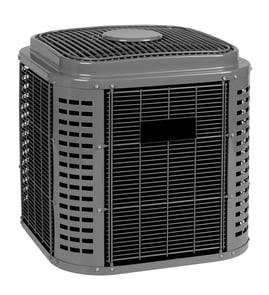
Yes, you can replace some parts on your York H1RA060S25A central air conditioner yourself, but only for tasks that do not involve refrigerant handling or high-voltage diagnostics. For anything beyond basic electrical or airflow checks, we recommend using a qualified HVAC technician to protect the system and your safety.
These are common homeowner-level tasks that typically do not require specialized HVAC licensing:
- Replace the thermostat batteries (if applicable) and confirm correct settings
- Replace or clean the return-air filter (if your system uses one)
- Clear debris from the outdoor condenser coil area and straighten lightly bent fins
- Check and reset a tripped breaker, then monitor for repeat trips
- Inspect for obvious loose, burned, or damaged low-voltage wires (with power off)
For safe electrical testing basics, use our guide: how to use a multimeter to test electrical parts video.
Central AC systems combine high voltage, moving parts, and refrigerant circuits. These jobs are not DIY:
- Any refrigerant-line repair (leaks, brazing, evacuating, charging)
- Compressor replacement
- Indoor coil or outdoor coil replacement
- Diagnosing control boards or contactors when you are not trained to test live circuits
- Any repair that requires opening the sealed refrigerant system
| Task type | Typical DIY? | Why |
|---|---|---|
| Airflow and cleaning | Yes | Low risk; improves efficiency |
| Basic visual wiring check (power off) | Sometimes | Requires careful shutoff and inspection |
| Electrical testing | Sometimes | Needs correct meter use and safety steps |
| Refrigerant system work | No | Specialized tools and procedures |
On the H1RA060S25A, an incorrect repair can cause repeat breaker trips, compressor damage, or poor cooling performance. Sticking to safe, external maintenance and simple checks helps prevent expensive failures.
Start with these fast checks before replacing anything:
- Confirm thermostat is set to Cool and the temperature is set lower than room temp
- Replace the air filter if it is dirty
- Make sure the outdoor unit is running and not blocked by leaves or grass
- Check the indoor blower is moving air at the vents
- If the breaker trips again after reset, stop and schedule service
Last updated: February 2026
How much does a new AC unit normally cost?
A new central AC replacement for a York H1RA060S25A system typically runs $4,000 to $8,000 installed, with real-world totals commonly $2,000 to $10,000+ based on capacity, efficiency level, and how much ductwork or electrical work the job requires.
- Budget replacement (basic efficiency, straightforward swap): $2,000 to $4,500
- Mid-range replacement (common efficiency, moderate labor): $4,000 to $8,000
- Premium/high-efficiency systems (variable-speed, upgrades required): $8,000 to $10,000+
- Ductless mini-split systems (whole-home): $3,000 to $15,000
- Heat pump systems (equipment + install): $4,500 to $12,000
- System size (tons/BTU): larger capacity equipment and airflow needs raise cost
- Efficiency rating (SEER2): higher efficiency usually costs more up front
- Indoor coil and refrigerant line work: replacement, flushing, or rerouting adds labor
- Ductwork condition: sealing, repairs, or resizing can be a major add-on
- Electrical and code items: disconnect, breaker, wiring, permits, and inspections
| Option | Typical use case | Typical installed cost |
|---|---|---|
| Central AC replacement | Existing ducts; outdoor condenser + indoor coil | $4,000 to $8,000 |
| Ductless mini-split | No ducts or room-by-room control | $3,000 to $15,000 |
| Heat pump | Heating + cooling in one system | $4,500 to $12,000 |
Correct sizing and airflow setup prevent short cycling, poor humidity control, and higher energy bills. The lowest bid often excludes duct, electrical, or refrigerant-line work that determines long-term performance.
- Confirm the exact model and configuration using how to find your appliance model number (and what it means for parts)
- Get a load calculation (not “same size as before”)
- Ask whether duct sealing or resizing is needed
- Confirm what’s included: pad, line set work, thermostat, permits
- Plan for ongoing maintenance: filter changes, coil cleaning, drain care
Last updated: February 2026
What is the most expensive part to replace on an AC unit?
On a York central air conditioner like model H1RA060S25A, the compressor is typically the most expensive single part to replace because it is the sealed, high-labor component that drives refrigerant circulation. When a compressor fails, repair costs often approach the value of older equipment.
The compressor is expensive for two reasons: the part itself is costly, and the job often involves refrigerant recovery/charging plus significant labor.
Common high-cost items in a central AC repair include:
- Compressor (often the top cost)
- Condenser coil (if leaking or severely damaged)
- Evaporator coil (especially if refrigerant leaks)
- Control board or inverter module (on certain systems)
- Blower motor or condenser fan motor (moderate to high, depending on type)
Actual pricing varies by region, refrigerant type, and accessibility, but these ranges help set expectations.
| Component | Typical cost driver | Typical relative cost |
|---|---|---|
| Compressor | Part + refrigerant work + labor | Highest |
| Evaporator coil | Leak repair often means replacement | High |
| Condenser coil | Outdoor coil replacement can be labor-heavy | High |
| Control board | Electronics and diagnostics | Medium to high |
| Fan motor | Motor type and labor | Medium |
We recommend confirming the root cause so the new compressor is protected.
- Verify the run capacitor and contactor are in good condition
- Check for burnt wiring, loose connections, or overheated terminals
- Confirm proper airflow (dirty filter, blocked return, matted coil can cause stress)
- Ask whether there is evidence of acid/contamination in the refrigerant circuit
- Compare repair cost vs. system age and overall condition
A helpful DIY skill for basic electrical checks is in how to use a multimeter to test electrical parts video.
A compressor failure is often a symptom (electrical issues, airflow problems, or refrigerant problems). Fixing the underlying cause helps prevent repeat failures and protects other expensive components like coils and motors.
Last updated: February 2026
What size central AC do I need for a 1000 sq ft house?
For a typical 1,000 sq ft home, we usually see central AC sizing land around 1.5 to 2.5 tons (about 18,000 to 30,000 BTU/hr). The right size depends on insulation, windows, ceiling height, sun exposure, and your climate; an HVAC load calculation is the correct way to match capacity.
Use this as a starting point only; it is not a substitute for a Manual J load calculation.
- Mild climates, good insulation: ~1.5 tons (18,000 BTU/hr)
- Average conditions: ~2.0 tons (24,000 BTU/hr)
- Hot climates, lots of sun, older/less insulation: ~2.5 tons (30,000 BTU/hr)
- High ceilings or many large windows: size often trends higher
- Tight, well-sealed homes: size often trends lower
Oversizing a central air conditioner can create comfort and reliability problems.
- Short cycling (turns on and off too often)
- Poor humidity removal (home feels clammy)
- More temperature swings
- Higher wear on the compressor and contactor
- Potentially higher operating cost
These details change the load enough that two 1,000 sq ft homes can need different tonnage.
- Your region/climate and how much direct afternoon sun the home gets
- Insulation level (attic, walls) and air sealing
- Window count, size, and type (single pane vs. double pane)
- Ceiling height and open floor plan vs. many closed rooms
- Duct condition (leaks, crushed runs, undersized returns)
| Home conditions | Typical BTU/hr range | Typical tons |
|---|---|---|
| Efficient, shaded, well-insulated | 18,000 to 24,000 | 1.5 to 2.0 |
| Average insulation and sun | 24,000 to 30,000 | 2.0 to 2.5 |
| Hot climate or high heat gain | 30,000+ | 2.5+ |
Your York H1RA060S25A is a specific central AC model; matching the home’s load to the equipment capacity helps you get steady temperatures, better humidity control, and fewer breakdowns. When you are identifying the exact unit and compatible parts, use the model tag and follow our guide: how to find your appliance model number (and what it means for parts).
Last updated: February 2026