 Installation guide
 Owner’s manual


How to identify a Kenmore washer model?
Your Kenmore washer model number is printed on the model and serial number label. On Kenmore model 11015852400, that label is located under the washer lid; once you have the full model number, we can match the correct parts and diagrams for your exact washer.
Where to look on model 11015852400
Check these common spots in this order:
- Under the lid on the top rim of the cabinet (most common for this Kenmore 110-series washer)
- On the underside of the lid itself
- On the rear panel near the power cord entry (less common)
- Inside the cabinet opening near the top corners
For the exact label location and how it is referenced in the documentation, use the 11015852400 owner’s manual.
What the model number looks like (and why it matters)
Kenmore washers often use a 110-prefix format. Record the model number exactly as shown (including all digits).
| What to record | Example format | Why we need it |
|---|---|---|
| Model number | 110XXXXXXXXX | Ensures parts fit your exact design |
| Serial number | Letters and numbers | Helps identify production range |
| Purchase date | Month/day/year | Useful for maintenance and service history |
Tips to avoid mix-ups when ordering parts
Small differences in the model number can change the correct lid switch, drain pump, or drive parts.
- Write the model number exactly; do not drop digits
- Take a clear photo of the label before it fades
- Match the model number on the label to the one on your parts list
- If you are troubleshooting a no-spin or no-drain issue, confirm the model before choosing parts like the washer lid switch WP3949238
Why it matters
Kenmore model numbers identify the exact platform and component set used in your washer. Using the correct model number prevents ordering the wrong replacement part and saves time during troubleshooting and repair.
Last updated: February 2026
What is the average lifespan of a Kenmore washer?
A Kenmore washer typically lasts 10 to 15 years. For the Kenmore 11015852400, correct installation (level floor, proper water pressure, and avoiding freezing conditions) and routine care help you reach the longer end of that range; chronic overloading and repeated out-of-balance use shorten it. See the 11015852400 owner's manual for model-specific care guidance.
What affects washer lifespan the most
- Load size and balance: loads should move freely; consistent overloading strains the drive system.
- Installation conditions: a level floor and correct hookups reduce vibration and wear.
- Water quality and temperature: very hot water and harsh chemicals can accelerate hose and seal aging.
- Cold-weather exposure: operating at or below 32°F can leave water inside and cause damage.
- Wear parts: lid switch, drain pump, clutch, and motor coupling are common service items over time.
Typical lifespan by usage (what we see most often)
| Usage pattern | Typical lifespan | What usually wears first |
|---|---|---|
| Light (small loads, a few cycles/week) | 12 to 15 years | Hoses, lid switch, pump |
| Average family use | 10 to 13 years | Coupling, clutch, pump |
| Heavy (daily loads, frequent bulky items) | 7 to 10 years | Drive components, suspension, gearcase |
Maintenance that extends life
- Keep loads evenly distributed to reduce tub and suspension stress.
- Use the right detergent amount; excess suds can contribute to drain and rinse issues.
- Periodically inspect for slow drains or leaks and correct them early.
- If the washer will be in freezing temps, follow the winterizing steps in the manual.
- Address early symptoms (no spin, no drain, burning smell) before they cascade into bigger failures.
Parts that commonly impact “end of life” symptoms
If the washer stops agitating, spinning, or draining, these model-compatible parts are frequent fixes:
- Washer lid switch WP3949238 (won’t spin or drain if the lid isn’t sensed closed)
- Washer drain pump WP3363394 (slow drain, no drain, humming)
- Washer motor coupling 285753A (motor runs but washer won’t agitate/spin)
Why it matters
Knowing the 10 to 15 year expectation helps you decide whether to repair or replace. If your 11015852400 is within that window, replacing a few wear parts is often the most cost-effective way to restore reliable washing.
Last updated: February 2026
What replacement parts are most commonly needed for the 11015852400?
For the Kenmore 11015852400 washer, the most commonly replaced parts are the ones tied to everyday wear, draining, and safety interlocks. Start by confirming symptoms and part locations in the owner's manual, then match the exact part by model to ensure proper fit.
Commonly replaced parts for this model
These are frequent fixes for no-agitate, no-spin, no-drain, leaks, and loud operation:
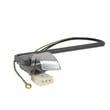
- Washer lid switch WP3949238 (won’t spin or agitate, intermittent stopping)
- Washer motor coupling 285753A (motor runs but tub/agitator doesn’t move)
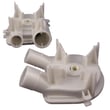
- Washer drain pump WP3363394 (won’t drain, humming, slow drain)
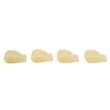
- Agitator dog 80040 (weak or slipping agitation)
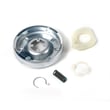
- Clutch 285785 (slow spin, burning smell, poor spin performance)
- Washer tub gasket W10814296 (water leaks around the tub area)
Quick symptom-to-part guide
| Symptom | Most likely part(s) | What you’ll notice |
|---|---|---|
| Won’t spin with lid closed | Lid switch | No spin, may still fill/drain |
| Motor runs, no agitation/spin | Motor coupling | Grinding, rubber/plastic debris |
| Won’t drain or drains slowly | Drain pump | Humming, water left in tub |
| Agitator moves poorly | Agitator dog | Top agitator “ratchets” or slips |
| Loud during spin, weak spin | Clutch | Slipping, slow ramp-up |
| Water leaking | Tub gasket | Drips under washer, wet floor |
How we recommend choosing the right replacement
- Use the symptom first, then confirm with a quick visual inspection.
- Unplug the washer and shut off water before checking internal parts.
- Check for simple causes (coins, socks, lint) before replacing a pump or hose.
- Replace worn clamps/hoses if you see cracking, bulges, or seepage.
- If you’re doing a larger teardown, consider related wear items (springs, seals) at the same time.
Why it matters
Replacing the correct wear part restores proper agitation, spin speed, and draining; it also prevents secondary damage (for example, a failing pump can lead to overflow, and a bad lid switch can stop cycles mid-load).
Last updated: March 2026





