


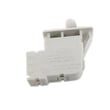
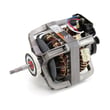
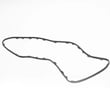
What is the average lifespan of a Samsung dryer?
Samsung dryers, including model DV45H7000GP, typically last 10 to 15 years with normal household use. Consistent airflow maintenance (lint and vent cleaning), avoiding overloads, and addressing unusual noises early are the biggest factors that push lifespan toward the high end.
What affects lifespan the most
- Airflow and heat control: clogged lint paths make the dryer run hotter and longer.
- Load size and balance: chronic overloading strains the drum, belt, and motor.
- Wear parts condition: rollers, belt, and blower components wear gradually.
- Installation and venting: long or crushed vent runs increase run time and heat.
- How quickly issues are fixed: squeals, thumps, or burning smells should be handled right away.
Maintenance checklist (best ROI)
- Clean the lint screen after every load; replace a damaged screen such as the dryer lint screen DC97-16742A.
- Vacuum lint from the lint housing and around the blower area periodically.
- Clean the full vent run to the outside regularly; confirm the exterior hood opens freely.
- Keep loads to a reasonable size so clothes tumble freely.
- Stop using the dryer if you smell burning or the cabinet feels unusually hot.
Common wear items and what they impact
| Symptom | Likely wear area | Example part for DV45H7000GP |
|---|---|---|
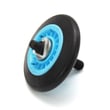
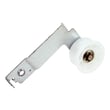
| Thumping or rumbling | Drum support | Dryer drum support roller (DC97-16782A) |
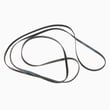
| Squealing, drum not turning | Belt/drive | Dryer drum belt (6602-001655) |
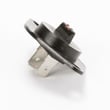
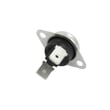
| Long dry times, overheating | Temperature safety | Dryer thermal cut-off thermostat (DC47-00016A) |
Why it matters
A dryer that is forced to run hot or run long cycles wears out the motor, belt, drum support rollers, and thermostats faster. Keeping airflow strong and fixing early noise or heat symptoms is the simplest way to get the full 10 to 15 years from a Samsung dryer.
Last updated: February 2026
Is it worth replacing a heating element in a Samsung dryer?
Yes, it’s usually worth replacing the heating element in a Samsung dryer when the dryer otherwise runs normally (drum turns, controls work, airflow is good) but won’t heat; the repair cost is typically far less than replacing the whole dryer, especially on model DV45H7000GP.
When replacing the heater is the right call
We see heating-element replacement pay off most when the problem is isolated to the heat circuit and the rest of the dryer is in solid shape.
- The dryer tumbles but clothes stay cold or barely warm
- Cycles finish but loads take much longer than normal
- No burning smell, no loud mechanical noise, no repeated shutdowns
- Venting is clear and airflow is strong at the outside vent hood
- You confirm the element is open (no continuity) with a multimeter
Don’t replace the element until you rule out these common causes
A failed safety or sensor part can mimic a bad element. On DV45H7000GP, these checks prevent buying the wrong part.
| Symptom | More likely cause | What to check first |
|---|---|---|
| No heat at all | Thermal cut-off or high-limit trip | Test dryer thermal cut-off thermostat DC47-00016A and dryer high-limit thermostat DC47-00017A for continuity |
| Heat is erratic | Temperature sensing issue | Inspect wiring and test the thermistor |
| Long dry times | Airflow restriction | Clean lint path, blower housing, and vent duct |
Why it matters
A dryer that can’t move air properly often overheats and trips safety thermostats; that can look like a “bad heater” and can also shorten the life of the new part. Fixing airflow first protects the heating system and improves dry time.
Practical cost and decision guide
- Worth it if the dryer is in good condition and the issue is heat-only.
- Less worth it if you also have loud rumbling/squealing (rollers/belt), repeated control problems, or multiple recent repairs.
- Age rule of thumb: if the dryer is around 10+ years and needs several major parts at once, replacement can make more sense.
Last updated: February 2026
How to tell if a Samsung dryer heating element is bad?
On the Samsung DV45H7000GP gas dryer, “no heat” is caused by the gas burner system and airflow controls, not an electric heating element. We diagnose heat loss by confirming strong airflow, then testing the thermal safety devices and temperature sensor that control burner operation.
What to check first (fast, no tools)
- Verify you are using a heated cycle (not Air Fluff or No Heat).
- Clean the lint screen and make sure the lint screen housing is clear.
- Check for strong airflow at the outside vent hood.
- Confirm the gas supply valve is fully open.
- If heat starts then stops, suspect a safety thermostat opening from overheating.
Multimeter tests that apply to this model
Disconnect power before testing.
- Thermal cut-off thermostat: should show continuity when cool; if open, the burner will not heat. See dryer thermal cut-off thermostat DC47-00016A.
- High-limit thermostat: should show continuity when cool; if it opens repeatedly, fix venting first. See dryer high-limit thermostat DC47-00017A.
- Thermistor (temperature sensor): should read a stable resistance that changes with temperature; a failed sensor can cause short cycling or no heat. See dryer thermistor DC32-00007A.
Symptom guide (gas dryer “no heat”)
| What you observe | Most likely area | Best next step |
|---|---|---|
| No heat at all, tumbles normally | Thermal cut-off or high-limit open | Test thermostats for continuity |
| Heats briefly, then stops | Restricted venting, high-limit opening | Clear venting; retest high-limit |
| Long dry times, weak heat | Airflow restriction, lint buildup | Clean vent path and blower area |
| Inconsistent temperature | Thermistor sensing issue | Test thermistor resistance |
Why it matters
Gas dryers rely on airflow and safety controls to prevent overheating. A clogged vent can open the high-limit or thermal cut-off and mimic a “bad heater,” so airflow checks prevent repeat failures.
Last updated: February 2026