Owner’s manual
 Error Codes



How to hard reset a Kenmore Elite washer?
A “hard reset” on the Kenmore Elite washer model 79641682610 is a power reset: we remove power long enough to clear the control, then restore power and restart a cycle. This often clears a frozen display, non-responsive buttons, or a cycle that will not start.
Hard reset steps (power reset)
- Press POWER to turn the washer off.
- Unplug the washer from the outlet (or switch the breaker off).
- Wait 1 minute.
- Plug the washer back in (or switch the breaker on).
- Press POWER, select a cycle, then press START/PAUSE.
If the controls are locked and buttons seem “dead,” turn off Control Lock first using the steps in the 79641682610 owner's manual.
If it still will not respond
These checks fix the most common “reset didn’t work” situations:
- Confirm the outlet is a grounded 3-prong outlet and the plug is fully seated.
- Avoid using an extension cord or adapter.
- Make sure the washer is not in Control Lock (often shows CL).
- If the washer will not drain and will not advance, check for a drain restriction (a clogged filter or a failing pump can mimic a control problem).
- If the door will not lock or unlock, the cycle may not start or may pause for safety.
Quick symptom guide
| What you see | What to try first | What it points to |
|---|---|---|
| Buttons do nothing, “CL” shows | Disable Control Lock | Control setting, not a failure |
| Won’t start, door won’t lock | Reseat door, restart | Door lock or door alignment |
| Stops mid-cycle, won’t drain | Check drain path | Drain restriction or pump issue |
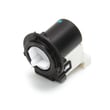
If draining is the issue, a common repair is replacing the drain pump motor, such as drain pump motor (4681EA2001T) - washer part by lg electronics 4681EA2001T.
Why it matters
A hard reset clears temporary control glitches without replacing parts. If the same symptom returns, the pattern (no drain, no lock, repeated stopping) helps pinpoint whether the cause is a control setting, a drain problem, or a door-lock issue.
Last updated: February 2026
Is it worth repairing a Kenmore washing machine?
Yes, it’s usually worth repairing a Kenmore Elite washer like model 79641682610 when the fix addresses a specific failed part and the total repair cost is clearly less than replacing the washer. This model is designed for years of dependable operation, and targeted repairs often restore full performance.
How we decide if repair makes sense
Use these practical checkpoints before you spend money on parts or service:
- Compare costs: if parts plus labor are under about 50% of a comparable new washer, repair is the better value.
- Confirm it’s a single-part failure: drain, fill, door-lock, and vibration issues are often straightforward.
- Check for repeat symptoms: recurring leaks, repeated no-drain, or repeated control failures can change the math.
- Factor in downtime: if you need a fast fix, replacing a common part can be quicker than shopping and installing a new unit.
- Start with diagnostics: use the built-in diagnostics and troubleshooting steps in the 79641682610 owner’s manual.
Common repairs that are typically “worth it”
These are frequent front-load washer failures where replacing one component often solves the problem:
| Symptom | Likely area | Example part for this model |
|---|---|---|
| Won’t drain, drains slowly | Drain pump or blockage | Drain pump motor (4681EA2001T) - washer part by lg electronics 4681EA2001T |
| Won’t fill or fills slowly | Water inlet valve | Lg Washer Single-solenoid Water Inlet Valve (5220FR2006H) |
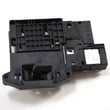
| Door won’t lock or won’t start | Door lock system | Lg Washer Door Lock (EBF61315802) |
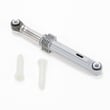
| Excessive shaking/banging | Suspension | Washer Shock Absorber (383EER3001V) |
Why it matters
A correct diagnosis prevents “parts swapping,” which is the fastest way to overspend. Your manual includes a diagnostics section and a troubleshooting guide that help narrow the failure to a specific system before you buy parts.
Last updated: February 2026
What model is my Kenmore Elite washer?
Your Kenmore Elite washer’s model number is printed on the identification plate; on model 79641682610, that plate is located inside the washer door area (typically on the door opening or door jamb). Use the exact model number to match the correct parts, manual, and troubleshooting steps.
Where to find the model number label
Check these common spots on Kenmore front-load washers like 79641682610:
- Inside the door opening on the cabinet (door jamb)
- Around the door frame area near the latch
- Just inside the front panel opening when the door is open
- On the rim of the opening where the door seal meets the cabinet
For the official location and how it’s shown on your unit, see the 79641682610 owner's manual.
What to write down (and why)
Record both the model and serial number exactly as shown on the label.
- Model number (example format in the manual: 796.4168* family)
- Serial number
- Date of purchase (helpful for service history)
Quick reference table
| Item | What it’s used for | Example you might see |
|---|---|---|
| Model number | Correct parts lookup and diagrams | 79641682610 (or 796.4168*) |
| Serial number | Production details and service identification | Letters and numbers |
Why it matters
Kenmore Elite washers often look similar across multiple 796-series models, but parts like the door lock, drain pump motor, and water inlet valve can vary by model. Using the exact model number helps ensure you get the right replacement part the first time.
Last updated: February 2026
Does my Kenmore Elite washing machine have a filter?
Yes. Your Kenmore Elite washer model 79641682610 uses built-in filters, including small water inlet screen filters at the hose connections and a drain pump filter that catches lint, coins, and debris before water is pumped out (see the 79641682610 owner's manual).
Where the filters are (and what they do)
- Water inlet filters (screens): Located inside the hot and cold water inlet ports where the fill hoses connect; they help prevent sediment from clogging the inlet valve.
- Drain pump filter: Located at the lower front access area; it traps debris to protect the drain pump and help prevent no-drain problems.
- Not a “lint trap” like a top-load washer: Front-load designs rely more on the pump filter and proper detergent use.
| Filter type | Typical location | Common symptom when clogged |
|---|---|---|
| Water inlet screen filters | At the back, inside hose inlets | Slow fill, fill errors, poor rinse |
| Drain pump filter | Lower front access area | Won’t drain, long drain time, water left in tub |
How to clean the drain pump filter (safe, quick steps)
- Unplug the washer.
- Place a shallow pan and towels under the lower front access area.
- Drain any remaining water slowly (if your model has a small drain hose behind the access door).
- Unscrew the filter cap and remove debris.
- Rinse the filter, reinstall it snugly, and run a short rinse and spin.
If the filter housing is damaged or the cap will not seal, the Washer Drain Pump Filter may need replacement: washer drain pump filter 383EER2001A.
Why it matters
Keeping these filters clean helps your washer fill correctly, drain fully, and protects key parts like the drain pump motor and water inlet valve from strain and premature failure.
Last updated: February 2026
How to force a Kenmore Elite washer to drain?
To force-drain a Kenmore Elite washer model 79641682610, we first stop the cycle and remove power, then manually drain water from the drain pump filter area and correct any drain-hose height or clogs so the washer can pump out normally. See the steps in the 79641682610 owner's manual.
Fast, safe steps to get the water out
- Press Start/Pause to stop the cycle.
- Unplug the washer (or switch off the breaker).
- If the tub is very full, bail water into a bucket to reduce spill risk.
- Open the lower front access area and slowly drain using the pump filter drain path (catch water in a shallow pan).
- Remove and clean the pump filter; check for coins, lint, socks, or debris.
- Inspect the standpipe or sink connection and make sure the drain hose is not kinked or crushed.
Drain hose height matters (common “won’t drain” cause)
Your drain hose installation height directly affects draining. For this model, we set the drain hose end so it is not lower than 29 in. and not higher than 96 in. above the bottom of the washer.
| Drain hose end height | What it can cause | What we do |
|---|---|---|
| Below 29 in. | Siphoning, poor draining, refilling | Raise the hose and secure it |
| 29 to 96 in. | Normal operation | Keep as installed |
| Above 96 in. | Pump struggles, slow/no drain | Lower the hose |
If it still will not drain
These checks pinpoint whether it is a clog, installation issue, or a failed drain component:
- Listen for the drain pump running during drain; a loud hum with no water movement often points to a blockage.
- Verify the washer is not showing a drain-related error; use our Kenmore front load washer nd error code guide if “ND” appears.
- If the filter area is clean and the hose height is correct, the drain pump motor can be the failure point; for this model, a common replacement is the drain pump motor (4681EA2001T) - washer part by lg electronics 4681EA2001T.
Why it matters
A forced drain is a short-term fix to protect flooring and prevent door-lock delays; correcting the drain hose setup and clearing the pump filter helps the washer drain reliably and reduces repeat clogs.
Last updated: February 2026
What is the average lifespan of a Kenmore washer?
A Kenmore washer typically lasts 10 to 15 years. For your Kenmore Elite washer 79641682610, reaching the higher end of that range depends most on avoiding overloads, using the right detergent amount, and keeping water and drain systems flowing as designed in the 79641682610 owner's manual.
Typical lifespan and what changes it
Most washers fail early from avoidable stress (overloading, poor leveling, restricted draining) or from wear parts that can be replaced.
Common life-shorteners we see:
- Regularly overloading the drum (extra strain on bearings, shocks, and motor)
- Running heavy loads off-balance (extra vibration and tub wear)
- Slow draining from clogs (pump strain)
- Too much detergent (residue, odors, and extra rinsing stress)
- Skipping basic cleaning and inspection
Model-specific habits that help this washer last longer
Your manual calls out load limits and loading technique that directly reduce wear.
Best practices:
- Keep loads within the stated limits (for example, 22 lb (10 kg) max for certain cycles)
- Load items loosely; do not pack or press clothes down
- Measure detergent using the detergent maker’s measuring device
- Redistribute bulky loads if the washer struggles to balance
Quick reference: what to do vs what it prevents
| What we recommend | What it helps prevent |
|---|---|
| Stay within load limits | Premature bearing, shock, and motor wear |
| Level the washer and reduce vibration | Tub movement, leaks, noisy spin |
| Keep draining clear | Drain pump overheating and drain errors |
| Use correct detergent amount | Residue buildup, odors, long cycle times |
When a repair makes sense
If the washer is otherwise in good shape, replacing a common wear part can extend service life.
Examples:
- If it will not drain or drains slowly, check the filter and consider the washer drain pump filter 383EER2001A
- If the pump is noisy or not pumping, a replacement like the drain pump motor (4681EA2001T) - washer part by lg electronics 4681EA2001T is a common fix
Why it matters
A front-load washer like the Kenmore Elite 79641682610 is designed for years of dependable operation, but it relies on proper loading, balanced spinning, and unrestricted water flow. Small habits reduce stress on high-cost assemblies like the tub, control, and drive components.
Last updated: February 2026
Is the Kenmore Elite a HE washer?
Yes. The Kenmore Elite washer model 79641682610 is a high-efficiency (HE) front-load design, so it uses less water than traditional top-load washers and relies on HE detergent for best cleaning and rinsing performance. For cycle and detergent details, use the 79641682610 owner's manual.
How to tell you are using it as an HE washer
- Use HE detergent only; standard detergent can cause oversudsing and poor draining.
- Fill detergent to the HE line in the dispenser, not to the top.
- Choose the right cycle for the load size; overloading reduces tumble action.
- Expect lower water levels than older washers; that is normal for HE washers.
- Run periodic cleaning/maintenance cycles to reduce odor and residue.
Detergent and water use: what to expect
HE front-load washers clean by tumbling clothes through a small pool of water. That is why correct detergent dosing matters.
| Item | HE front-load washer (like 79641682610) | Traditional top-load washer |
|---|---|---|
| Water level | Low | Higher |
| Detergent type | HE required | Standard often works |
| Suds tolerance | Low | Higher |
| Cleaning action | Tumble | Agitate |
If you see excess suds, long drain times, or poor rinsing
These symptoms usually come from too much detergent or restricted draining.
- Reduce detergent amount (especially with soft water)
- Check and clean the drain pump filter area
- Inspect the drain hose for kinks or a too-deep standpipe insertion
- If the washer will not drain and the pump is noisy or not running, the drain pump motor (4681EA2001T) - washer part by lg electronics 4681EA2001T is a common fix on this platform
Why it matters
Using HE detergent and proper dosing helps the 79641682610 washer drain correctly, rinse cleaner, and avoid oversudsing that can trigger error codes, odors, and repeat service issues.
Last updated: February 2026
Where is the filter located on a Kenmore Elite washing machine?
On the Kenmore Elite washer model 79641682610, the “filter” most owners mean is the drain pump filter; it’s typically accessed from the lower front of the washer behind a small access panel. Use the steps in the 79641682610 owner's manual to confirm the exact access method for your version.
Where to look on this model
Most Kenmore Elite front-load designs place the drain pump cleanout in the lower front area so you can service it without removing the whole cabinet.
- Check the lower front of the washer for a small rectangular access door or kick panel
- Look for a short drain hose and a twist-out filter cap behind that panel
- Keep a shallow pan and towels ready; water will drain out when you open it
- Turn the filter cap slowly to control the flow
- Clean lint, coins, and debris; then reinstall the cap snugly
Quick “what you’ll see” guide
| What you find | What it usually means | What to do |
|---|---|---|
| Small hose with a plug | Manual drain for the pump area | Drain into a pan before removing the filter |
| Large twist cap/knob | Drain pump filter/cleanout | Remove, clean, reinstall |
| No access door | Filter may require panel removal | Follow the manual’s access steps |
Parts that commonly relate to the filter area
If the washer won’t drain, leaks at the front, or the filter housing is damaged, these model-matched parts are often involved:
- Washer drain pump filter 383EER2001A (the cleanout/filter component)
- Drain pump motor (4681EA2001T) - washer part by lg electronics 4681EA2001T (drives draining)
- Washer pump 3108ER1001E (pump assembly used in the drain system)
Why it matters
A clogged drain pump filter is a common cause of slow draining, standing water, and drain-related error conditions. Cleaning it regularly helps protect the drain pump and keeps cycles finishing normally.
Last updated: February 2026